
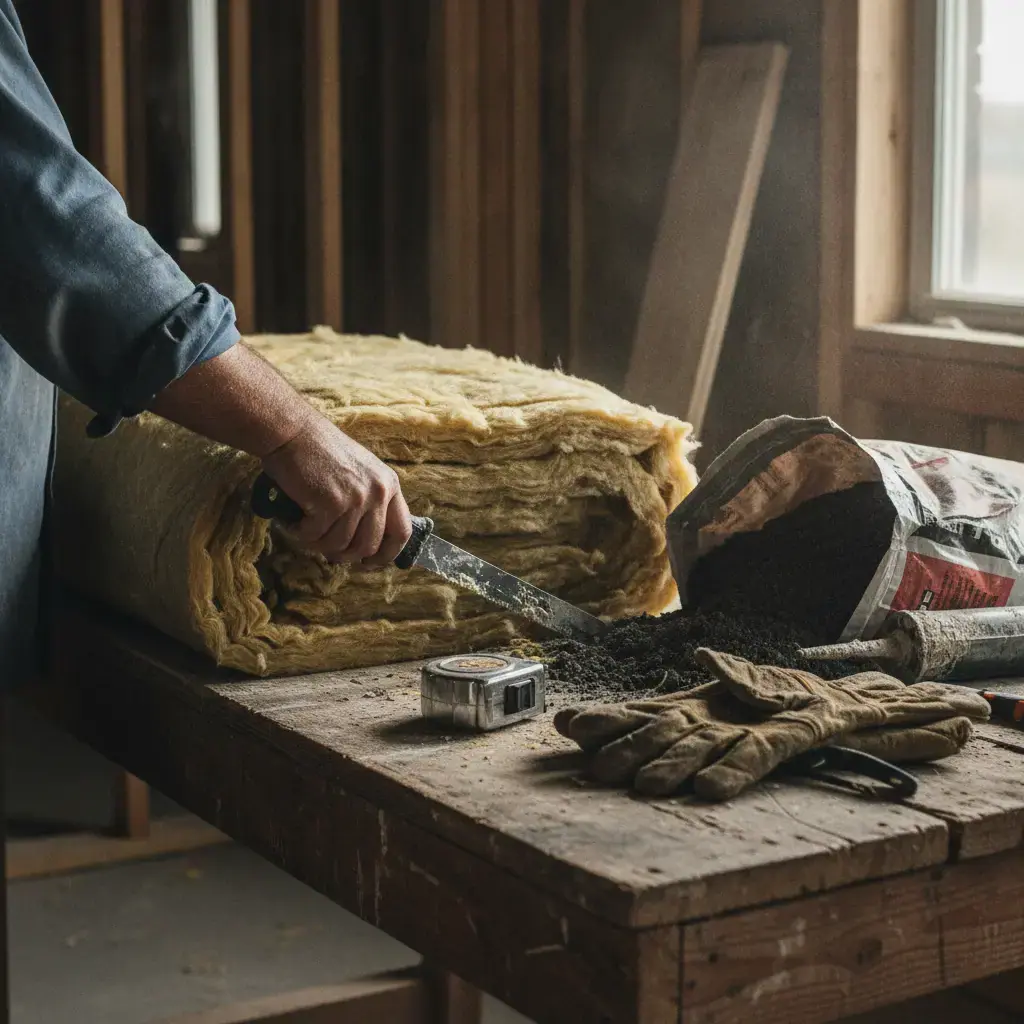
Crawl Space Encapsulation Cost in Rolling Hills Estates, CA
Transparent Crawl Space Encapsulation Cost Pricing for Rolling HIlls Estates, CA Homeowners — Free Estimates
Discover crawl space encapsulation costs in Rolling Hills Estates, CA. High Return Insulation offers expert encapsulation for hillside homes. Call (310) 496-8515 for a free quote.
Crawl space encapsulation is the process of sealing your home’s crawl space with heavy-duty vapor barriers, insulation, and moisture control systems to protect your foundation, floor structure, and indoor air quality from the damaging effects of ground moisture, pests, and temperature fluctuations. In Rolling Hills Estates, CA — a hillside community perched across the Palos Verdes Peninsula — crawl spaces face uniquely intense challenges from coastal humidity, expansive clay soils, and the marine layer that rolls in nightly from the Pacific Ocean.
At High Return Insulation, we specialize in crawl space encapsulation designed specifically for the conditions found in Rolling Hills Estates and the surrounding South Bay communities. Our technicians understand the local geology, construction styles, and microclimatic patterns that affect homes here differently than anywhere else in Los Angeles County. Whether your property sits on a sloped lot off Palos Verdes Drive North or in one of the gated equestrian communities, we deliver encapsulation solutions built for this specific terrain. Call us today at (310) 496-8515 to schedule your assessment.
Understanding Crawl Space Encapsulation in Rolling Hills Estates
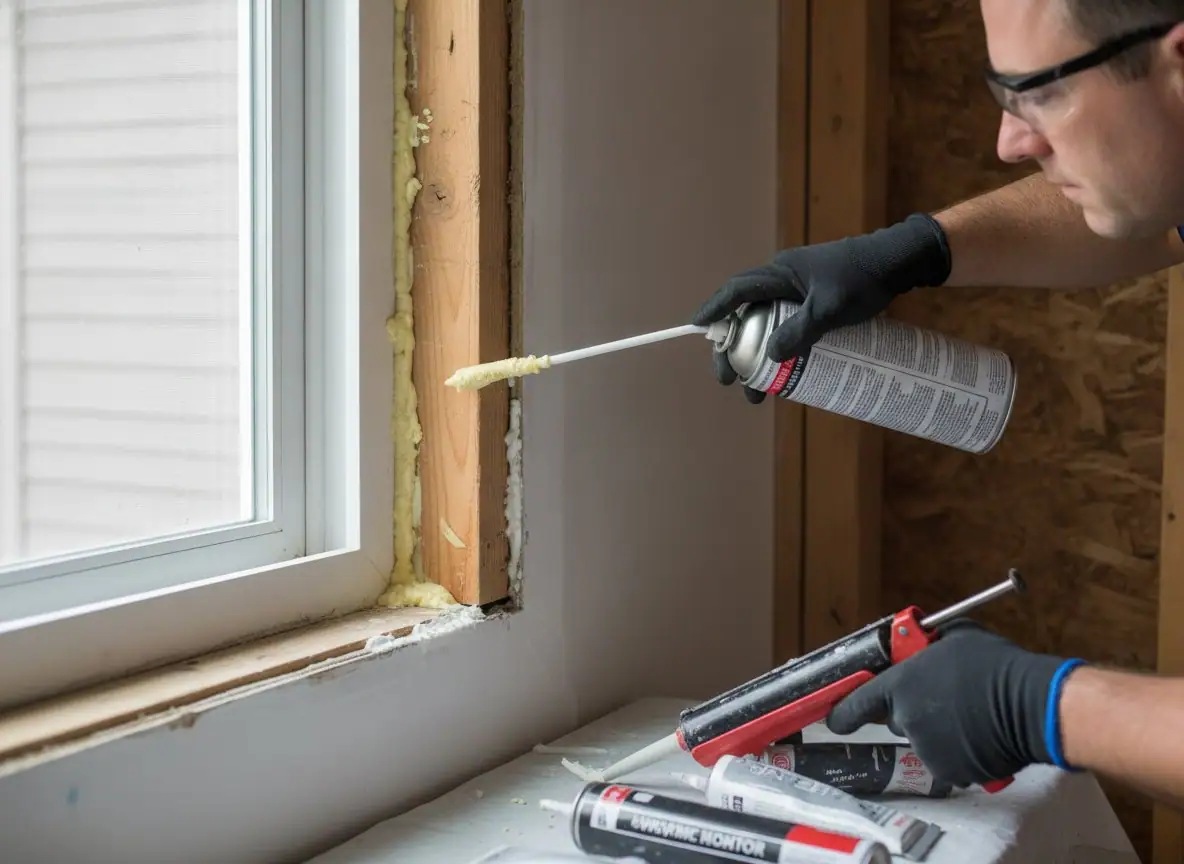
Crawl space encapsulation is a comprehensive moisture management strategy that transforms an open, exposed crawl space into a sealed, conditioned environment. Unlike basic vapor barriers that simply lay plastic sheeting on the ground, full encapsulation involves covering all exposed soil and concrete surfaces with reinforced polyethylene membranes — typically 12 to 20 mil thick — sealing foundation vents, insulating the walls and rim joists, and often integrating a dehumidifier or drainage system to actively manage any residual moisture.
The concept gained significant traction in the late 1990s and early 2000s when building scientists demonstrated that the traditional “ventilated crawl space” approach — long promoted by building codes — was actually counterproductive in many climates. Studies showed that outside air drawn through foundation vents often carried more moisture into the crawl space than it removed, especially in coastal and semi-humid environments. This led to widespread adoption of sealed, conditioned crawl spaces as the new performance standard.
Read moreShow less
In Rolling Hills Estates, where the city was incorporated in 1957 and most residential development occurred between the late 1950s and early 1980s, a large percentage of homes were built under older building codes that mandated vented crawl spaces. These homes — many of them single-story ranch-style residences and split-level designs adapted to the hillside topography — now have aging crawl space infrastructure that was designed for a philosophy we now know to be flawed.
The hillside setting of Rolling Hills Estates also means that many homes have irregular crawl space geometries, with varying ceiling heights as grade changes beneath a structure built on a sloped lot. Some crawl spaces exceed 5 feet in height on the downhill side while dropping to under 18 inches on the uphill side — creating complex encapsulation challenges that require custom solutions. Rolling Hills Estates’ equestrian zoning and the prevalence of large single-family lots also means that many homes have extended footprints with multiple crawl space zones that need to be addressed systematically. Learn more about our crawl space encapsulation services
Why Crawl Space Encapsulation Is Needed in Rolling Hills Estates
Rolling Hills Estates sits atop the Palos Verdes Peninsula, one of the most geologically active residential communities in Southern California. The peninsula is underlain primarily by Altamira Shale and Palos Verdes Sand formations, overlaid in most residential areas by the Lunada Bay Clay and Portuguese Bend expansive clay deposits. These soils expand significantly when wet and contract during dry periods, creating cyclical ground movement that stresses foundations, opens cracks in stem walls, and allows ground moisture to migrate into crawl spaces throughout the year.
The marine layer that sweeps inland from the Pacific Ocean between May and September — locally known as “June Gloom” — regularly pushes relative humidity in Rolling Hills Estates to 85–95% by early morning, even when afternoon temperatures climb into the mid-70s. This nightly moisture loading is absorbed directly by unencapsulated crawl spaces, where it condenses on cold floor joists and subfloor decking. Over time, moisture content in exposed wood can reach 19% or higher — the threshold at which wood-destroying fungi become active. Homes on the western slopes of the peninsula, particularly those on Crenshaw Boulevard, Palos Verdes Drive North, and Rolling Hills Road, face the most direct marine layer exposure.
Read moreShow less
The Palos Verdes Peninsula experienced significant landslide activity throughout the 20th century, with the Portuguese Bend Landslide Complex — located immediately adjacent to Rolling Hills Estates’ southern boundary — remaining an active geological concern. The Abalone Cove landslide of 1978 and ongoing subsidence events in the Portuguese Bend area underscore the region’s ground instability. While the City of Rolling Hills Estates itself is outside the active slide zone, the expansive clay soils throughout the city respond dynamically to moisture changes in ways that directly affect crawl space conditions.
Rolling Hills Estates receives approximately 13–15 inches of rainfall annually, nearly all of it between November and April. During atmospheric river events — such as the series of storms that struck the South Bay in January and February 2023, delivering over 9 inches of rain in a single week — groundwater levels beneath homes on sloped lots can rise dramatically, saturating soil and forcing moisture upward through unprotected crawl space floors. Homes in the lower-elevation areas near Silver Spur Road and Blackwater Canyon Road are especially vulnerable to this seasonal groundwater intrusion.
Additionally, Rolling Hills Estates’ equestrian culture means that many properties have irrigated paddocks, horse corrals, and landscaped grounds that receive year-round watering. Irrigation water from adjacent properties and common equestrian trails can migrate beneath home foundations, adding a persistent artificial moisture source that standard vented crawl spaces cannot adequately address. Explore our crawl space insulation options for hillside homes
Free, no-obligation estimates
Talk to High Return Insulation
Tell us what you need and we’ll take it from there.
Signs You Need Crawl Space Encapsulation in Rolling Hills Estates
Moisture and Odor Indicators
- Musty or earthy odors rising from floors, especially noticeable in the morning after the marine layer moves in overnight
- Visible condensation or standing water beneath your home following winter rain events
- Efflorescence (white mineral deposits) on foundation stem walls indicating chronic moisture migration
- Damp or warping hardwood floors, particularly in first-floor rooms over the crawl space
Structural Warning Signs
- Sagging or spongy subfloor sections that flex underfoot — a sign of compromised floor joists
- Visible mold, dark staining, or fungal growth on wood framing members visible through the access hatch
- Rusting metal connectors, straps, or fasteners in the crawl space framing
Energy and Comfort Symptoms
- Cold or drafty floors during winter months, even when the heating system is running
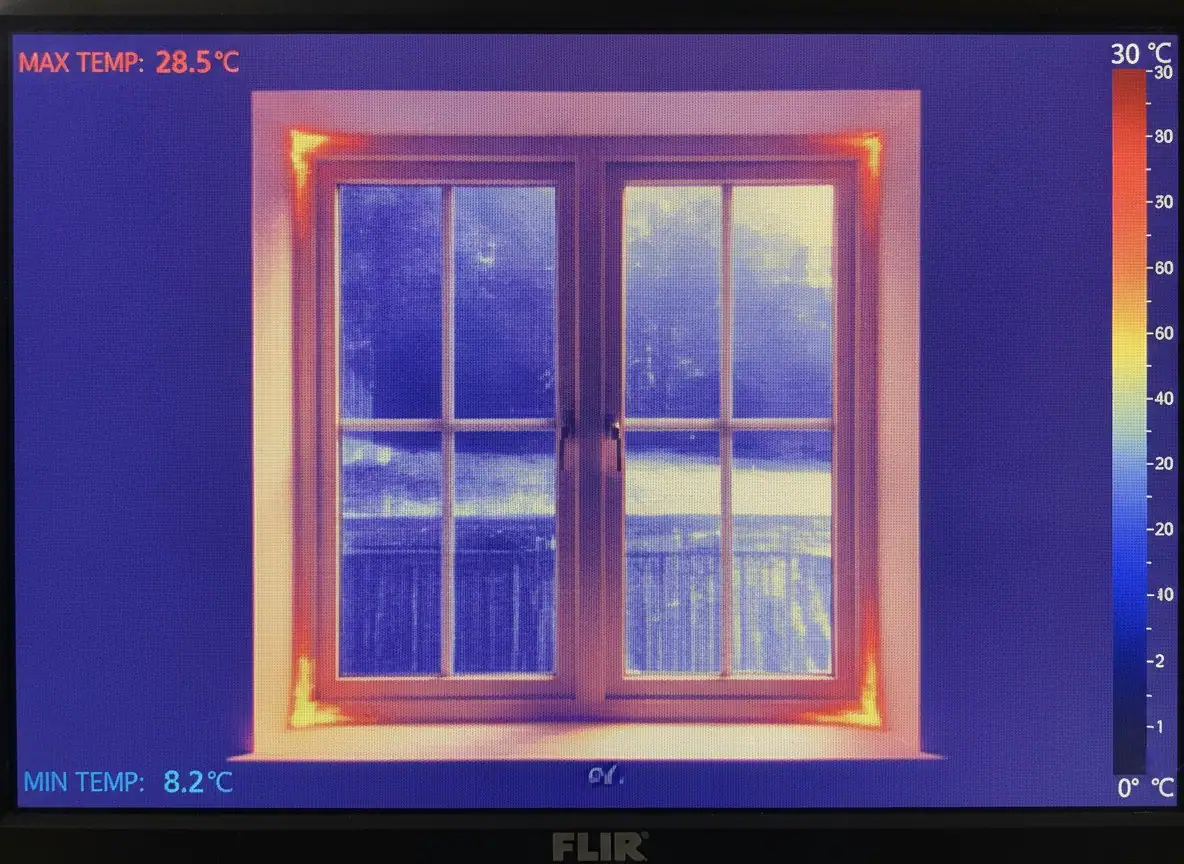
- Unusually high energy bills — unencapsulated crawl spaces can account for up to 25% of conditioned air loss
- Pest activity including rodent droppings, termite shelter tubes, or subterranean termite damage to floor framing
Urgency Note: If you observe sagging subfloor, active mold colonies larger than 10 square feet, or standing water present more than 48 hours after rainfall, contact High Return Insulation immediately at (310) 496-8515 for priority service.
Our process
Our Crawl Space Encapsulation Process in Rolling Hills Estates
- 01
Initial Inspection and Assessment (1–2 Hours)
Our technician performs a comprehensive crawl space inspection, measuring humidity levels, assessing wood moisture content with a calibrated moisture meter, identifying pest activity, evaluating existing insulation and vapor barriers, and documenting the geome
- 02
Debris Removal and Existing Insulation Extraction (Half to Full Day)
We remove all existing fiberglass batt insulation from floor joists (a common construction method in homes built here between 1960 and 1985), old vapor barrier material, and accumulated debris. We safely bag and dispose of all materials off-site. Learn about o
- 03
Mold Remediation and Wood Treatment (If Required, 1–2 Days)
Where fungal growth is present, we apply EPA-registered antimicrobial treatments to affected framing members and allow full drying before encapsulation proceeds. This step is frequently required in Rolling Hills Estates homes due to the coastal humidity exposu
- 04
Ground Preparation and Drainage (Half Day)
We grade the crawl space floor to encourage drainage toward any sump systems, install perimeter drainage channels where groundwater intrusion is a concern, and prepare the substrate for membrane installation.
- 05
Vapor Barrier and Wall Liner Installation (1–2 Days)
We install 16-mil reinforced polyethylene membrane across the entire crawl space floor, overlapping seams by a minimum of 12 inches and sealing all joints with waterproof tape. The liner is run up all foundation walls and secured with termination bars. All ven
- 06
Insulation of Foundation Walls and Rim Joists (Half to Full Day)
We install closed-cell spray foam insulation on foundation walls and rim joists to complete the thermal and air barrier. Learn about our spray foam insulation services
- 07
Dehumidifier Installation and Final Inspection (2–3 Hours)
A crawl space dehumidifier sized for your specific square footage is installed and connected to a condensate drain. We perform a final walkthrough, document all work completed, and review maintenance recommendations with the homeowner.
Crawl Space Encapsulation Methods Used in Rolling Hills Estates
Full Encapsulation with Conditioned Air Supply
The most comprehensive approach, this method involves sealing the crawl space completely and connecting it to the home’s HVAC system so that conditioned air circulates through the space. This is ideal for Rolling Hills Estates homes with large crawl spaces over 2,000 square feet, particularly those on the larger estate lots in the northern sections of the city near Crenshaw Boulevard. Maintaining the crawl space at the same temperature and humidity as the living space above eliminates all condensation risk.
Sealed Crawl Space with Dedicated Dehumidifier
The most commonly recommended approach for Rolling Hills Estates homes, this method seals the crawl space and installs a dedicated crawl space dehumidifier to maintain relative humidity below 55%. This is highly effective for homes that experience the seasonal marine layer humidity spikes common on the Palos Verdes Peninsula without the complexity of integrating with the HVAC system.
Partial Encapsulation with Drainage Integration
For homes on the steeper hillside lots — particularly those near the edges of the city’s canyon areas — where seasonal groundwater intrusion is a documented concern, we combine full vapor barrier installation with an interior perimeter drain system and sump pump. This hybrid approach manages both vapor and liquid water effectively.
Spray Foam Wall and Rim Joist Encapsulation
For older homes where the priority is thermal performance and air sealing rather than moisture remediation, we apply closed-cell spray foam at 2-inch minimum thickness to all crawl space walls and rim joists. This method delivers an R-value of approximately R-12 at 2 inches and provides excellent air barrier performance. Combine your crawl space project with our attic insulation services
Crawl Space Encapsulation Cost in Rolling Hills Estates
Crawl space encapsulation costs in Rolling Hills Estates typically range from $5,000 to $15,000 for most residential projects, with the average homeowner in this community investing between $7,500 and $11,000 for a complete encapsulation with dehumidifier. Several factors drive cost in this market:
Key Cost Factors
- Crawl Space Size: Most Rolling Hills Estates homes range from 1,200 to 3,500 square feet of crawl space. Encapsulation is typically priced at $4.00–$8.00 per square foot depending on scope.
- Accessibility and Slope: Hillside homes with variable crawl space heights — common throughout Rolling Hills Estates — require more labor hours. Tight sections under 18 inches add 15–25% to labor costs.
- Existing Insulation Removal: Removal of old fiberglass batts adds $1.00–$2.50 per square foot. Professional insulation removal services
- Mold Remediation: If required, remediation adds $500–$3,000 depending on extent.
- Dehumidifier: Crawl space dehumidifiers suitable for Rolling Hills Estates conditions range from $1,200 to $2,500 installed.
- Drainage Systems: Interior drainage channels and sump pumps add $2,000–$5,000 for properties with active water intrusion.
Read moreShow less
Rolling Hills Estates Pricing Context
Labor costs in Rolling Hills Estates reflect South Bay market rates, which run 10–20% above the Los Angeles County average due to the skilled trade base serving this higher-income community. However, the long-term return on investment is strong — properly encapsulated crawl spaces in coastal Palos Verdes Peninsula homes routinely deliver energy savings of $400–$900 annually and protect wood framing assets that would cost $15,000–$40,000 to replace.
Contact us at (310) 496-8515 for a free, no-obligation quote tailored to your specific property.
Rolling Hills Estates Neighborhoods We Serve
Ernie Howlett Park Area
Homes surrounding Ernie Howlett Park along Dapplegray Lane and Indian Peak Road were largely built in the 1960s and 1970s on gently sloping lots. These properties frequently have vented crawl spaces with original fiberglass batts that have degraded significantly over five decades of coastal exposure. Moisture issues here are typically moderate but consistent due to the proximity to maintained equestrian trails with year-round irrigation.
Silver Spur Road Corridor
The residential areas flanking Silver Spur Road represent some of the city’s higher-density single-family development, with many homes built in the late 1970s and early 1980s. These properties sit at lower elevations within Rolling Hills Estates and are more susceptible to groundwater rise during the atmospheric river events that have become increasingly frequent since 2020.
Palos Verdes Drive North Hillside Estates
Properties along and above Palos Verdes Drive North occupy the steepest terrain in the city. Split-level and multi-level homes here have complex crawl space geometries with significant height variation. Marine layer exposure is most intense in this zone, and the clay soil movement here is among the most pronounced in the city.
Dapplegray Estates
This equestrian-zoned neighborhood features large lots with horse facilities and extensive irrigation. Artificially elevated soil moisture from horse paddock watering creates persistent crawl space moisture challenges unique to this area of Rolling Hills Estates.
Crawl Space Maintenance Tips for Rolling Hills Estates Homeowners
- Annual Inspection: Schedule a professional crawl space inspection every spring, before marine layer season intensifies in June, to identify any membrane tears, pest intrusions, or dehumidifier performance issues.
- Dehumidifier Maintenance: Empty and clean your dehumidifier’s condensate system monthly during the May–September marine layer season. Check that the automatic drain line is flowing freely.
- Monitor Humidity Levels: Install a wireless hygrometer in your crawl space and check readings weekly. Target humidity should remain below 55% year-round. Readings above 65% during dry summer months indicate a breach or equipment issue.
- Gutter and Downspout Maintenance: Ensure gutters are clear before the November rain season begins. Direct all downspouts at least 6 feet from the foundation — critical on sloped Rolling Hills Estates lots where water naturally channels toward uphill foundation walls.
- Irrigation Management: Program drip irrigation systems to water during daytime hours only, avoiding overnight watering that elevates soil moisture beneath the foundation during the already-humid marine layer hours.
- Perimeter Vegetation Control: Keep shrubs and ground cover trimmed back from foundation vents (if any remain) and foundation walls to promote air circulation and reduce moisture-trapping debris accumulation.
- Pest Monitoring: Check the access hatch and visible membrane perimeter quarterly for rodent entry points or subterranean termite shelter tubes — both common in Rolling Hills Estates’ wooded, brushy environment.
Why Choose High Return Insulation for Crawl Space Encapsulation in Rolling Hills Estates
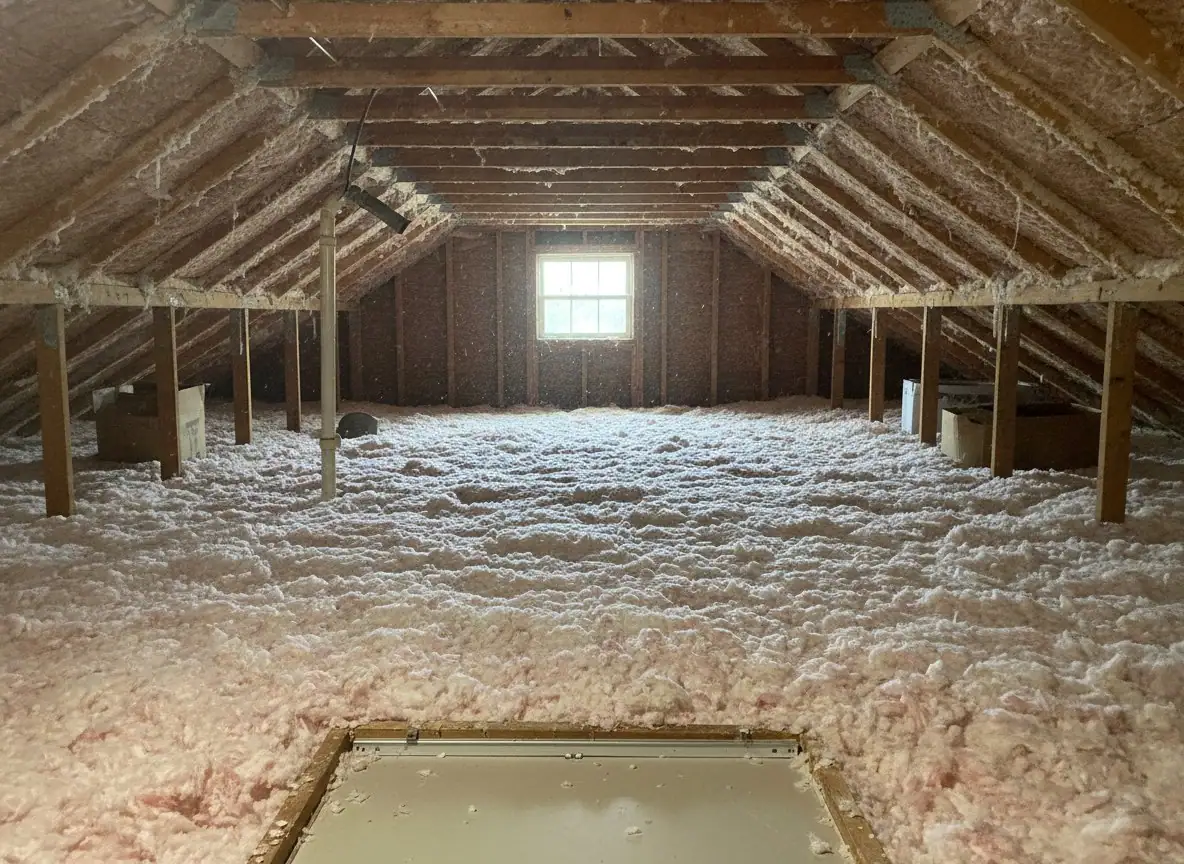
High Return Insulation has built its reputation serving the distinct demands of South Bay and Palos Verdes Peninsula homeowners who need encapsulation expertise suited to coastal clay soil conditions, hillside construction challenges, and the marine layer’s relentless moisture pressure. We are not a general contractor who occasionally handles crawl spaces — insulation and encapsulation is our core specialty, and we bring that focused expertise to every project in Rolling Hills Estates.
Our technicians are trained to navigate the irregular crawl space geometries common in the hillside ranch and split-level homes built throughout Rolling Hills Estates in the 1960s and 1970s. We understand the expansive clay soil conditions beneath Palos Verdes Peninsula homes and how they affect moisture migration patterns in ways different from flatland properties across Los Angeles County.
Read moreShow less
We serve all of Rolling Hills Estates and the broader South Bay region, including neighboring communities like Rolling Hills, Rancho Palos Verdes, Palos Verdes Estates, Torrance, and Redondo Beach. Our commitment to quality materials — including 16-mil reinforced vapor barriers and commercial-grade dehumidifiers — ensures that your encapsulation investment delivers decades of protection.
Call (310) 496-8515 to speak with our team today. Schedule your free crawl space assessment
FAQ
Frequently Asked Questions About Crawl Space Encapsulation Cost in Rolling Hills Estates
How much does crawl space encapsulation cost in Rolling Hills Estates, CA?
Most Rolling Hills Estates homeowners invest between $7,500 and $11,000 for a complete crawl space encapsulation with vapor barrier, sealed vents, foundation wall insulation, and a dedicated dehumidifier. Smaller projects with minimal prep work can come in closer to $5,000, while larger homes on sloped lots with drainage systems or mold remediation needs can reach $15,000 or more. We provide free, itemized quotes so you understand exactly what you’re paying for.
How long does crawl space encapsulation take in Rolling Hills Estates?
A standard encapsulation in Rolling Hills Estates takes 2–4 days for most homes. The variation depends primarily on crawl space size and complexity — the hillside lots common in this city often have crawl spaces with very low clearance on the uphill side that require additional time to work in safely. Projects requiring mold remediation add 1–2 days before encapsulation can begin.
Does the marine layer really affect my crawl space if my home has foundation vents?
Yes, significantly. The marine layer that blankets Rolling Hills Estates from roughly May through September drives coastal air at 85–95% relative humidity through foundation vents every night. This moisture-laden air contacts cooler surfaces inside the crawl space and condenses. Over time, this daily moisture loading raises wood moisture content in floor joists to levels that support fungal growth. Sealing those vents is a critical component of encapsulation in this specific climate.
Will crawl space encapsulation solve my musty odor problem?
In most cases, yes. Musty odors from below the floor in Rolling Hills Estates homes are almost always caused by mold or mildew activity fueled by moisture in the crawl space. By eliminating the moisture source through encapsulation and — where mold is already present — treating affected wood members, we eliminate the odor at its root cause. Most homeowners notice a significant improvement in indoor air quality within the first few weeks after encapsulation is completed.
Is crawl space encapsulation worth the cost in Rolling Hills Estates specifically?
Given Rolling Hills Estates’ clay soil, coastal humidity, and the age of most homes in the city, encapsulation is among the highest-return moisture control investments you can make. The combination of energy savings ($400–$900 per year is typical), prevention of structural wood damage (which can cost $15,000–$40,000+ to repair), and improved indoor air quality makes encapsulation a financially sound decision for most homeowners in this community.
Do Rolling Hills Estates building codes require permits for crawl space encapsulation?
Crawl space encapsulation work — including sealing foundation vents and installing insulation on foundation walls — may require a permit from the City of Rolling Hills Estates Building Department depending on scope. Our team is familiar with local permit requirements and will advise you on whether your specific project requires a permit. We assist with permit documentation as needed.
How do I know if I need drainage in addition to encapsulation?
If your crawl space has visible standing water after rain events, soil that remains wet to the touch more than a week after rainfall ends, or efflorescence (white mineral staining) on foundation walls, you likely need a drainage component as part of your encapsulation project. During our free inspection, we assess groundwater indicators specific to your lot’s position on the Rolling Hills Estates terrain and recommend drainage integration where needed.
Can I combine crawl space encapsulation with attic insulation for additional savings?
Absolutely, and we frequently recommend this combined approach for Rolling Hills Estates homeowners. Bundling attic and crawl space work with High Return Insulation often results in scheduling and mobilization savings. Addressing both the top and bottom of your home’s thermal envelope delivers maximum energy efficiency improvements. Learn about our attic insulation services for Rolling Hills Estates homes
Get Your Free Crawl Space Encapsulation Quote in Rolling Hills Estates Today
Your Rolling Hills Estates home sits in one of the most beautiful — and one of the most moisture-demanding — environments in all of Southern California. The clay soils, the marine layer, the hillside construction, and the age of most homes in this community all point to one clear conclusion: your crawl space needs professional attention.
High Return Insulation is ready to help. Our team provides free, no-obligation crawl space inspections and detailed quotes tailored to the specific conditions beneath your home. We serve Rolling Hills Estates and all surrounding South Bay communities, including Torrance, Rancho Palos Verdes, Redondo Beach, Palos Verdes Estates, and Rolling Hills.
Call us now at (310) 496-8515 or submit a request online to schedule your free assessment. Protect your home’s foundation, your floors, your air quality, and your investment — starting today.
Get in touch
Find insulation help near you
Request a free estimate online or give us a call — our team will follow up quickly.
- Call us(310) 496-8515
- Visit28441 Highridge Rd, Rolling Hills Estates, CA 90274
- HoursMon-Sun 07:00-19:00