
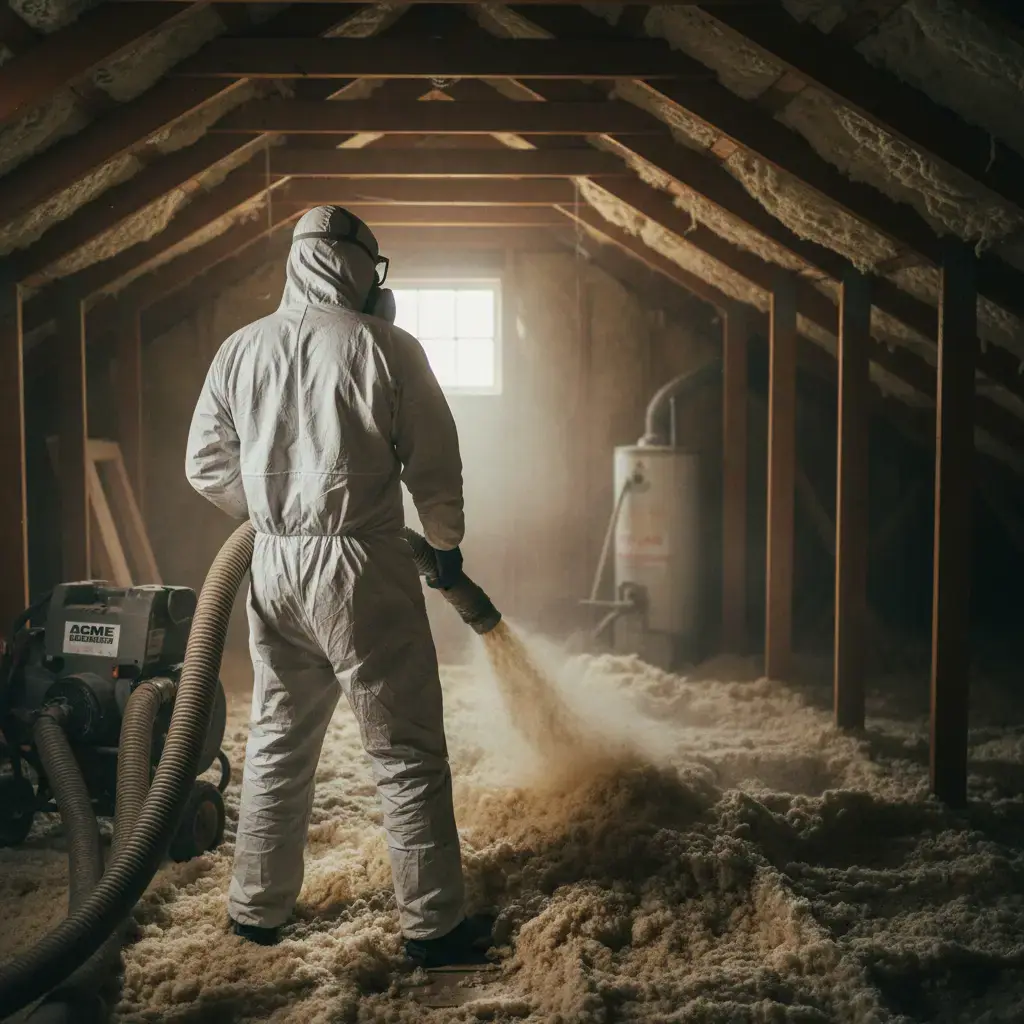
Spray Foam Insulation in Rolling Hills Estates, CA
Energy-Saving Spray Foam Insulation in Rolling Hills Estates, CA for Rolling Hills Estates, CA Homes — Licensed & Insured
High Return Insulation provides expert spray foam insulation in Rolling Hills Estates, CA. Call 310-496-8515 for a free estimate on crawl space, attic & wall insulation.
Spray foam insulation is a high-performance insulation solution that expands on contact to seal gaps, cracks, and cavities, creating an airtight thermal barrier unlike any traditional material. At High Return Insulation, we specialize in delivering professional spray foam insulation services tailored specifically to homes and properties in Rolling Hills Estates, CA.
Rolling Hills Estates sits atop the Palos Verdes Peninsula at elevations ranging from 200 to over 1,400 feet, where coastal marine air, seasonal temperature swings, and the area’s signature horse-property estates create unique insulation challenges. Homes here range from mid-century ranch designs to modern custom builds, each requiring a precise approach to energy sealing.
Read moreShow less
Our team at High Return Insulation brings hands-on expertise to every project, combining the latest spray foam technology with a deep understanding of local building conditions. Whether you’re upgrading an older estate home or insulating a newly constructed property, we deliver results that lower energy bills, improve comfort, and protect your investment. Call us today at 310-496-8515.
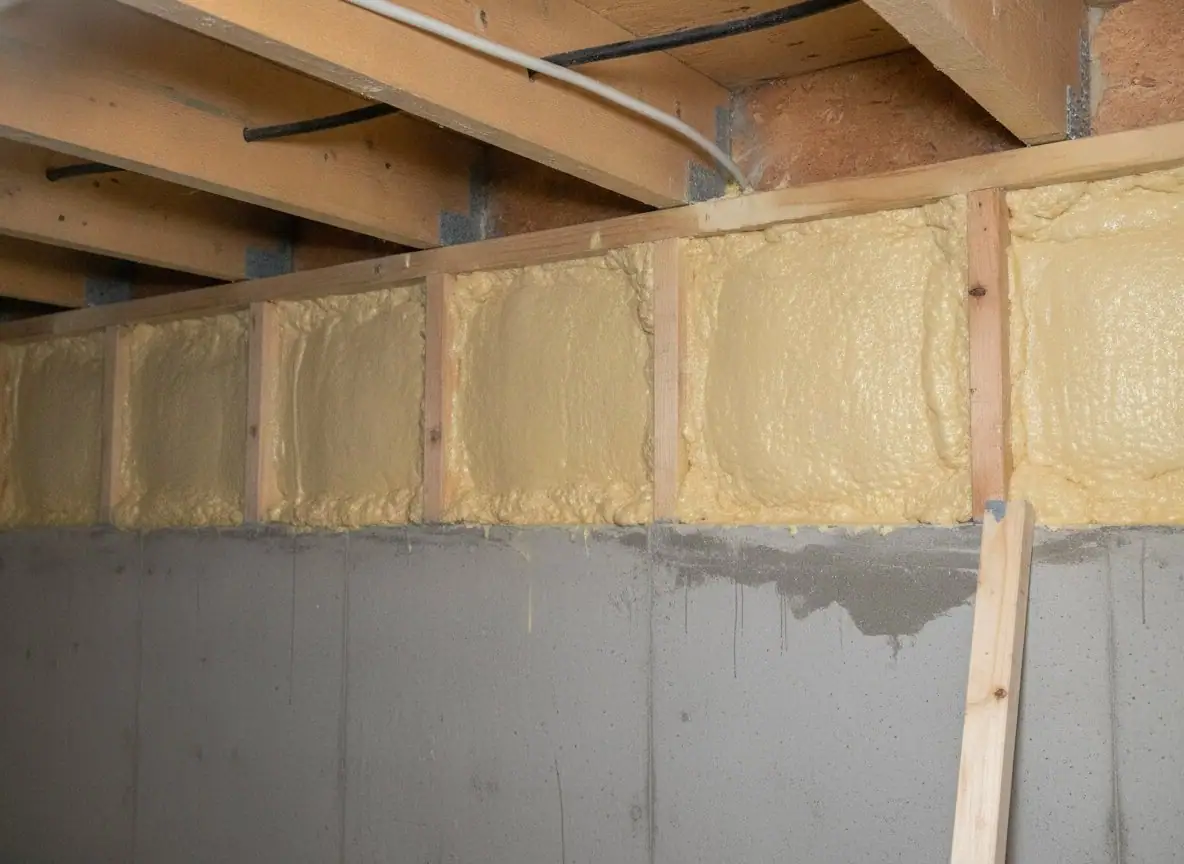
Understanding Spray Foam Insulation
Spray foam insulation is a two-component liquid system — typically composed of polyurethane — that chemically reacts upon application to expand and harden into a rigid or semi-flexible foam. This expansion allows it to conform perfectly to irregular surfaces, fill the smallest penetrations, and create both a thermal barrier and an air seal simultaneously. There are two primary types: open-cell spray foam, which is softer and more vapor-permeable, and closed-cell spray foam, which is denser, more rigid, and provides a higher R-value per inch.
Spray foam was first developed in the 1940s as an aircraft component material, but it wasn’t until the 1970s energy crisis that its residential and commercial insulation applications gained traction. By the 1980s and 1990s, the technology had improved dramatically, and today spray foam is widely regarded as one of the most effective insulation materials available, with closed-cell products achieving R-values of approximately R-6 to R-7 per inch.
Read moreShow less
In Rolling Hills Estates and across the broader Palos Verdes Peninsula, spray foam has become increasingly popular as homeowners renovate mid-century properties originally built with minimal insulation standards. Many homes constructed during the post-World War II boom — particularly those built between 1950 and 1970 — were insulated with minimal fiberglass batts or no insulation at all in critical areas like crawl spaces, rim joists, and attic knee walls.
The area’s diverse building stock includes everything from traditional California ranch-style homes to equestrian estate properties with detached barns and guest quarters. Spray foam is especially well-suited for these structures because it can address complex geometries, exposed wooden beams, vaulted ceilings, and the kind of irregular framing common in custom-built or older homes. For properties with both conditioned living space and unconditioned storage or stable areas, spray foam creates reliable boundaries between the two environments.
Open-cell spray foam is frequently used in interior wall cavities and attic spaces where sound dampening is also a priority, while closed-cell spray foam is the preferred choice for crawl spaces, exterior walls, and any area where moisture resistance and structural rigidity are critical. Learn more about our spray foam insulation services
Why Spray Foam Insulation Is Needed in Rolling Hills Estates, CA
The Palos Verdes Marine Climate
The Palos Verdes Peninsula experiences a coastal Mediterranean climate characterized by marine layer influence, moderate year-round temperatures, and significant humidity fluctuations. Summer temperatures in Rolling Hills Estates typically range from the low 60s°F overnight to the mid-80s°F during afternoon heat events. However, the marine layer that rolls in from the Pacific Ocean — often described locally as the “June Gloom” phenomenon — keeps mornings cool and damp well into summer, creating condensation risks in poorly sealed attic spaces and crawl areas. This persistent moisture exposure can degrade traditional fiberglass batt insulation over time, compressing it and reducing its effective R-value by as much as 40%.
Winter conditions on the Palos Verdes Peninsula, while mild by national standards, can drop to the upper 30s°F overnight between December and February. These fluctuations place consistent thermal stress on building envelopes, and older homes with air gaps in rim joists, attic hatch openings, and crawl space perimeters lose significant conditioned air during these periods.
Geological Conditions and Hillside Construction
Rolling Hills Estates is situated on one of the most geologically active peninsulas in Southern California. The Palos Verdes Peninsula is underlain by the Altamira shale and Monterey formations, and land movement is an ongoing concern. The Portuguese Bend landslide area — which has been active since the 1950s and accelerated dramatically following heavy rainfall events in 2023 and early 2024 — serves as a reminder of the peninsula’s dynamic geology. Even properties miles away from active slide zones experience subtle settlement and foundation movement over decades.
This foundation movement causes framing gaps, separation at wall plates, and cracks in crawl space perimeters — all of which allow unconditioned outside air and moisture to infiltrate living spaces. Spray foam is uniquely equipped to address these gaps because it expands to fill irregular shapes created by structural movement, providing a seal that rigid board insulation and fiberglass batts cannot replicate.
Equestrian Properties and Multi-Structure Estates
Rolling Hills Estates is one of the few remaining equestrian communities in Los Angeles County, with many properties featuring multi-structure compounds that include barns, tack rooms, guest houses, and detached garages. These secondary structures are rarely insulated to the same standard as primary residences, creating significant energy loss and discomfort. Spray foam is the preferred solution for these outbuildings because it can be applied to metal roofing decks, wood-framed walls, and concrete block structures with equal effectiveness.
Wildfire Risk and Air Quality
Rolling Hills Estates falls within a designated Very High Fire Hazard Severity Zone. During Santa Ana wind events — which occur most intensely between October and January — outside air infiltration through unsealed building envelopes brings smoke, ash, and particulate matter indoors. Spray foam’s airtight seal dramatically reduces this infiltration, protecting indoor air quality during fire events.
Free, no-obligation estimates
Talk to High Return Insulation
Tell us what you need and we’ll take it from there.
Signs You Need Spray Foam Insulation in Rolling Hills Estates
Energy and Comfort Warning Signs
- Energy bills that spike more than 20% during summer heat waves or Santa Ana wind events compared to mild-weather months
- Rooms on the upper floor or hillside-facing exposures that feel noticeably warmer or cooler than the rest of the house
- HVAC systems that run continuously during mild weather without reaching the thermostat setpoint
- Cold floors above a crawl space during winter months, particularly in older ranch-style homes
Moisture and Structural Signs
- Visible condensation on interior walls or windows during morning marine layer events
- Musty odors in crawl spaces or attic areas following seasonal rainfall
- Discolored or sagging fiberglass batt insulation in the attic or crawl space
- Visible daylight or drafts detectable around rim joists, recessed lighting fixtures, or attic hatches
Urgent Indicators
- Evidence of rodent activity in attic or crawl space insulation — particularly relevant in the hillside habitat corridors of Rolling Hills Estates — indicating gaps that need immediate sealing
- Ice damming or unusual condensation on roofing following rare cold snaps
- Any recent foundation repair or structural work that may have disturbed existing insulation seals
Explore our attic insulation services for Rolling Hills Estates homes
Spray Foam Methods and Approaches We Use
Closed-Cell Spray Foam
Closed-cell spray foam achieves R-6 to R-7 per inch and provides an effective vapor barrier, making it the optimal choice for crawl spaces, exterior wall cavities, and rim joists in Rolling Hills Estates homes. Its rigidity also adds minor structural reinforcement — a meaningful benefit in a region with active land movement. We recommend closed-cell for any application where moisture exposure is a concern, including the damp crawl spaces common beneath older hillside properties.
Open-Cell Spray Foam
Open-cell spray foam achieves approximately R-3.7 per inch and is best suited for interior attic rafters, interior walls, and areas where vapor permeability is acceptable or preferred. It provides excellent sound dampening — an attractive feature for Rolling Hills Estates homeowners near Palos Verdes Drive North or properties adjacent to equestrian trails with ambient noise.
Flash-and-Batt Hybrid Application
For older homes with limited wall cavity depth, we apply a thin “flash” of closed-cell spray foam to create an air and vapor barrier, then fill the remainder of the cavity with fiberglass or blown-in insulation. This hybrid approach maximizes R-value within constrained spaces and is cost-effective for extensive wall retrofit projects. Learn about our blown-in insulation options
Crawl Space Encapsulation with Spray Foam
For the many Rolling Hills Estates homes built over vented crawl spaces, we apply closed-cell spray foam to the crawl space walls and rim joists, effectively converting the crawl space to an unvented, conditioned environment. This approach eliminates the moisture and pest infiltration risks associated with vented crawl spaces in the peninsula’s humid coastal climate. Explore our crawl space insulation services
Spray Foam Insulation Cost in Rolling Hills Estates, CA
Understanding the investment involved in spray foam insulation helps Rolling Hills Estates homeowners plan effectively. Costs vary based on product type, application area, and project complexity.
Typical Price Ranges
- Open-Cell Spray Foam: $1.00–$1.50 per board foot installed. For a typical 1,500 sq ft attic application at 5 inches thick, expect a total investment of approximately $3,500–$6,500.
- Closed-Cell Spray Foam: $1.75–$3.00 per board foot installed. A standard crawl space encapsulation for a 1,200 sq ft home typically ranges from $2,500–$5,500 depending on access difficulty.
- Flash-and-Batt Hybrid: $1.25–$2.25 per board foot for the spray foam component, with additional cost for fill insulation.
- Whole-Home Air Sealing Package: For a mid-size Rolling Hills Estates estate home of 3,000–4,500 sq ft, comprehensive spray foam air sealing and insulation projects typically range from $8,000–$18,000.
Read moreShow less
Location-Specific Cost Factors
Rolling Hills Estates properties often carry higher project costs than flatland Los Angeles communities due to several local factors. Hillside access, steep driveways, and gated community entry requirements can add 10–20% to labor costs. Older estate homes with complex roof geometries, vaulted ceilings, and custom framing require more setup time. Additionally, the prevalence of multi-structure properties means homeowners may be budgeting for both the primary residence and outbuildings.
California utility rebate programs through Southern California Edison may offset a portion of qualifying insulation upgrade costs. We encourage homeowners to inquire about current rebate availability when requesting a quote. Call 310-496-8515 for a free on-site estimate.
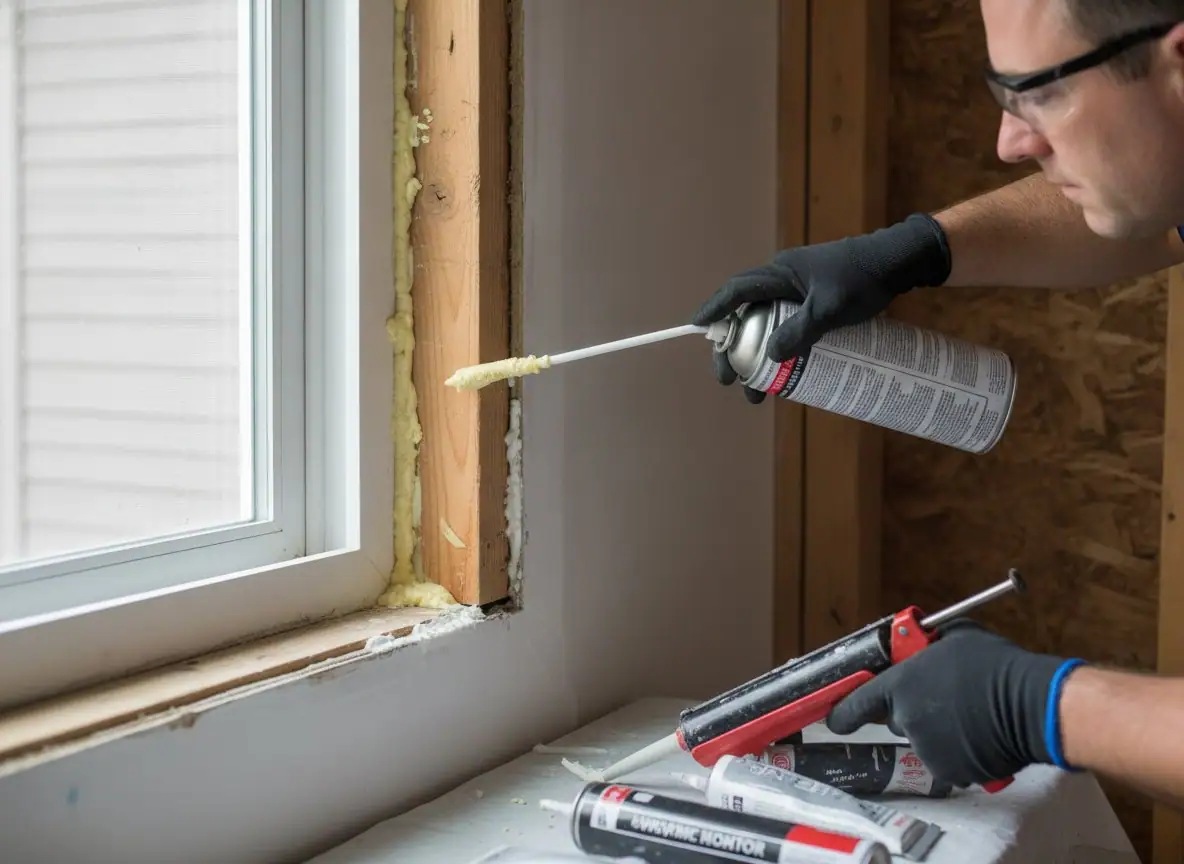
Neighborhoods We Serve in Rolling Hills Estates
The City of Rolling Hills Estates Proper
The incorporated city of Rolling Hills Estates encompasses several distinct residential areas. Homes along Palos Verdes Drive North and Palos Verdes Drive East tend to be larger custom estates from the 1960s and 1970s, many with original fiberglass insulation that has compacted significantly over decades of use. These properties frequently benefit from attic spray foam upgrades and crawl space encapsulation.
Eastfield and Indian Peak Area
Properties near Indian Peak Road and the Eastfield neighborhood often feature expansive ranch layouts with long exterior wall runs and significant crawl space areas. The elevated terrain here sees stronger afternoon winds that drive more air infiltration than lower-elevation neighborhoods, making thorough air sealing a priority.
Palos Verdes Estates Border Communities
Homes situated near the Palos Verdes Estates boundary, particularly along Via La Selva and adjacent streets, include a mix of Spanish Colonial Revival and mid-century modern styles. The stucco-over-wood-frame construction common in this area is particularly susceptible to moisture-driven insulation degradation, making closed-cell spray foam an ideal solution.
Equestrian Zone Properties
The designated equestrian zone within Rolling Hills Estates includes properties with multiple structures requiring insulation, from primary residences to horse barns and caretaker quarters. These multi-building properties represent some of our most comprehensive project scopes. Learn about our attic cleaning services for equestrian properties
Spray Foam Insulation Maintenance Tips for Rolling Hills Estates Homeowners
- Annual Crawl Space Inspection: Following the winter rainy season — typically February through April — inspect crawl spaces for any moisture intrusion or signs that foam seals have been disturbed by settling or pest activity.
- Attic Ventilation Check: Ensure that spray foam applied to attic rafters has not inadvertently blocked any intentional ventilation pathways. Rolling Hills Estates attics should maintain proper intake and exhaust airflow to prevent overheating during summer.
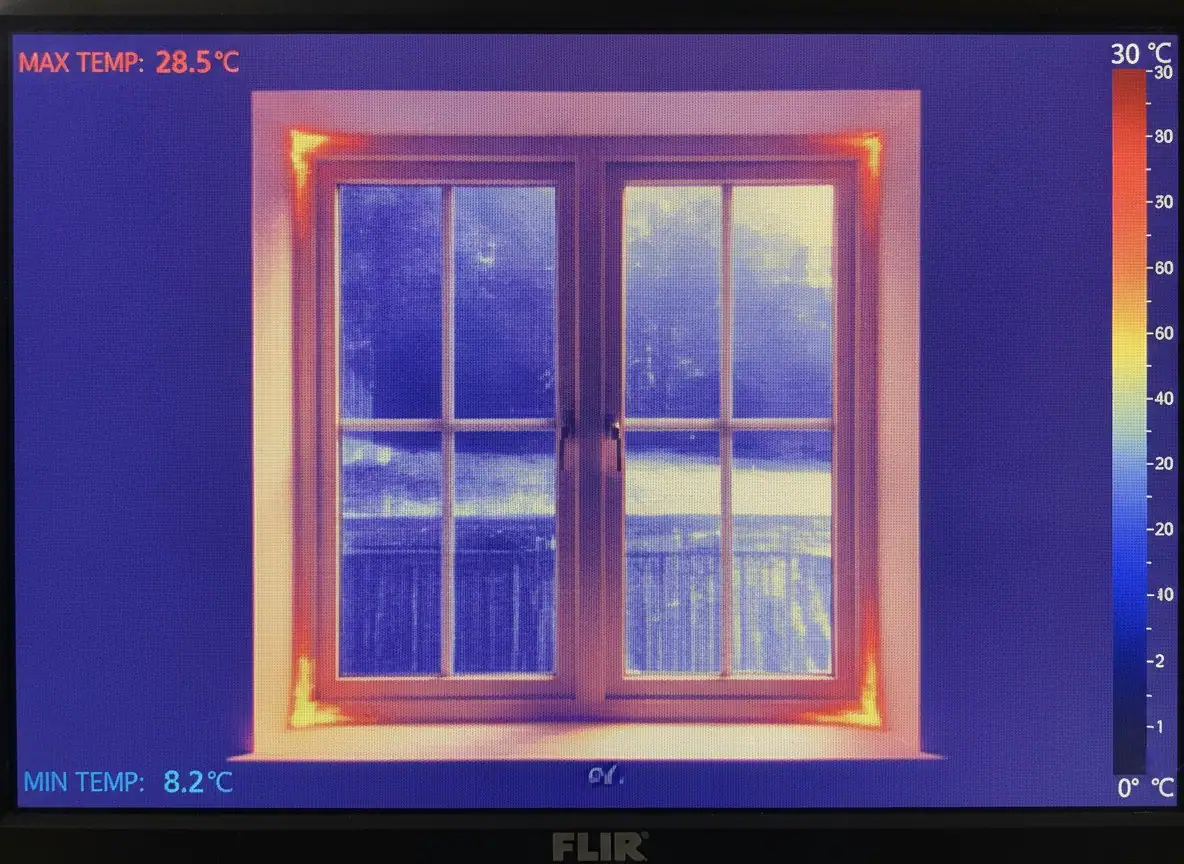
- Post-Santa Ana Wind Inspection: After significant Santa Ana wind events between October and January, inspect exterior-facing foam applications for any signs of air infiltration around window and door frames.
- Rodent Monitoring: The hillside habitat of Rolling Hills Estates makes rodent intrusion an ongoing concern. Inspect foam seals annually for evidence of gnawing, particularly in crawl spaces and attic access areas. Explore our rodent proofing services
- HVAC Filter Tracking: After spray foam installation, HVAC filters should be checked more frequently during the first three months to capture any residual particulates from the installation process.
- UV Exposure Check: Any spray foam left exposed to direct sunlight will degrade over time. Ensure all exterior-facing foam applications are properly coated or covered with a UV-protective barrier.
- Energy Bill Benchmarking: Track monthly energy costs following installation to confirm that performance gains are being realized. Notable increases may indicate a new air leak that warrants professional re-inspection.
Why Choose High Return Insulation in Rolling Hills Estates
High Return Insulation is a professional insulation contractor with hands-on experience serving the unique residential and equestrian properties of Rolling Hills Estates and the broader Palos Verdes Peninsula. We understand the specific challenges posed by the area’s coastal climate, hillside geology, and diverse building stock — from post-war ranch homes to modern custom estates.
Our technicians are trained specifically in spray foam application techniques appropriate for the building types found throughout Rolling Hills Estates, including high-humidity crawl space environments, vaulted ceiling attic spaces, and multi-structure equestrian properties. We use industry-leading spray foam products calibrated for Southern California’s coastal climate conditions.
Read moreShow less
Every project is completed with attention to local building conditions, and we take the time to explain our process, product choices, and expected outcomes clearly before any work begins. We are committed to delivering insulation upgrades that deliver measurable improvements in energy efficiency, comfort, and indoor air quality.
We serve all areas within Rolling Hills Estates and are available for free on-site consultations. Call us at 310-496-8515 to schedule your assessment today. Learn about our full range of insulation services
FAQ
Frequently Asked Questions About Spray Foam Insulation in Rolling Hills Estates
How much does spray foam insulation cost for a typical Rolling Hills Estates home?
For a typical 2,500–3,500 sq ft Rolling Hills Estates home, a comprehensive spray foam project addressing the attic, crawl space, and rim joists generally ranges from $6,000 to $14,000 depending on the product type, accessibility, and scope. Closed-cell applications in crawl spaces and open-cell applications in attic rafters are the most common combination for peninsula properties.
What is the difference between open-cell and closed-cell spray foam?
Open-cell spray foam is softer, more vapor-permeable, and achieves approximately R-3.7 per inch. It is best for interior attic and wall applications. Closed-cell spray foam is denser, provides R-6 to R-7 per inch, and acts as a vapor barrier — making it the preferred choice for crawl spaces, exterior walls, and any application in Rolling Hills Estates where coastal moisture is a concern.
How long does a spray foam installation take in Rolling Hills Estates?
Most residential projects are completed in one to two days. Larger estate properties or multi-structure equestrian properties may require two to three days. The foam requires one to two hours of cure time before spaces can be reoccupied, and our team handles all preparation and cleanup within the project timeline.
Will spray foam insulation help with the marine layer moisture issues common on the Palos Verdes Peninsula?
Yes. Closed-cell spray foam is an effective vapor retarder that prevents the moisture-laden marine air common to Rolling Hills Estates from infiltrating wall cavities and attic spaces. This protection is particularly important for homes near the western and southern faces of the Palos Verdes Peninsula, which receive the most direct marine layer exposure.
Can spray foam insulation help reduce wildfire smoke infiltration during Santa Ana wind events?
Spray foam’s primary benefit during wildfire events is its airtight seal, which dramatically reduces the volume of outdoor air — including smoke and particulate matter — that enters the home through structural gaps. While it is not a complete smoke barrier, homeowners in Rolling Hills Estates’ Very High Fire Hazard Severity Zone consistently report improved indoor air quality after spray foam installation.
Does spray foam insulation require any special permits in Rolling Hills Estates?
Insulation projects that involve changes to conditioned space boundaries — such as converting a vented crawl space to an unvented space — may require a building permit through the City of Rolling Hills Estates Building and Safety Division. We advise clients on permitting requirements as part of our project proposal process and can assist with documentation as needed.
Is spray foam insulation safe for homes with children and pets?
Once fully cured — typically within one to two hours after application — spray foam insulation is inert and safe for occupants including children and pets. During application, we require occupants to vacate the treated areas. Our technicians use proper respiratory protection and follow all California Air Resources Board (CARB) guidelines for spray foam application.
How does spray foam compare to blown-in insulation for Rolling Hills Estates attics?
Blown-in insulation offers a cost-effective solution for increasing R-value in flat attic floors, while spray foam applied to the roof deck converts the attic to conditioned space and provides superior air sealing. For Rolling Hills Estates homes with HVAC equipment located in the attic — which is common in the area’s ranch-style homes — spray foam encapsulation of the attic is often the more energy-efficient long-term investment. Compare blown-in insulation options
Get a Free Spray Foam Insulation Estimate in Rolling Hills Estates Today
If your Rolling Hills Estates home is losing conditioned air through attic gaps, an unsealed crawl space, or aging insulation that no longer performs, High Return Insulation is ready to help. Our team understands the specific conditions of Palos Verdes Peninsula properties and will design a spray foam solution that fits your home, your budget, and your energy goals.
Don’t let another summer marine layer season or Santa Ana wind event drive up your energy bills. Contact High Return Insulation today for a free, no-obligation on-site assessment.
Call us now at 310-496-8515 or reach out through our website to schedule your free estimate. We proudly serve Rolling Hills Estates and the surrounding Palos Verdes Peninsula communities.
Schedule your free insulation assessment today
Get in touch
Find insulation help near you
Request a free estimate online or give us a call — our team will follow up quickly.
- Call us(310) 496-8515
- Visit28441 Highridge Rd, Rolling Hills Estates, CA 90274
- HoursMon-Sun 07:00-19:00