

Closed Cell Spray Foam Insulation in Rolling Hills Estates, CA
Energy-Saving Closed Cell Spray Foam Insulation for Rolling HIlls Estates, CA Homes — Licensed & Insured
Expert closed cell spray foam insulation in Rolling Hills Estates, CA. High Return Insulation serves the Palos Verdes Peninsula. Call (310) 496-8515 for a free estimate.
Closed cell spray foam insulation is one of the most advanced and highest-performing insulation solutions available today. Unlike traditional materials, closed cell spray foam expands on contact to form a rigid, airtight barrier that simultaneously insulates, air-seals, and adds structural reinforcement to your home or building. At High Return Insulation, we specialize in delivering professional closed cell spray foam insulation in Rolling Hills Estates, CA, tailored to the unique demands of this coastal hillside community.
Rolling Hills Estates sits on the Palos Verdes Peninsula, where ocean humidity, marine layer fog, temperature swings between canyon-facing and coast-facing exposures, and the region’s history of soil movement all create insulation challenges that demand more than standard solutions. Our team understands the local building stock, the microclimates, and the specific performance requirements of homes in this area. Whether you are insulating a newly built estate, retrofitting a mid-century ranch home, or addressing energy loss in an older craftsman, High Return Insulation brings the expertise and materials to do the job right.
Understanding Closed Cell Spray Foam Insulation in Rolling Hills Estates
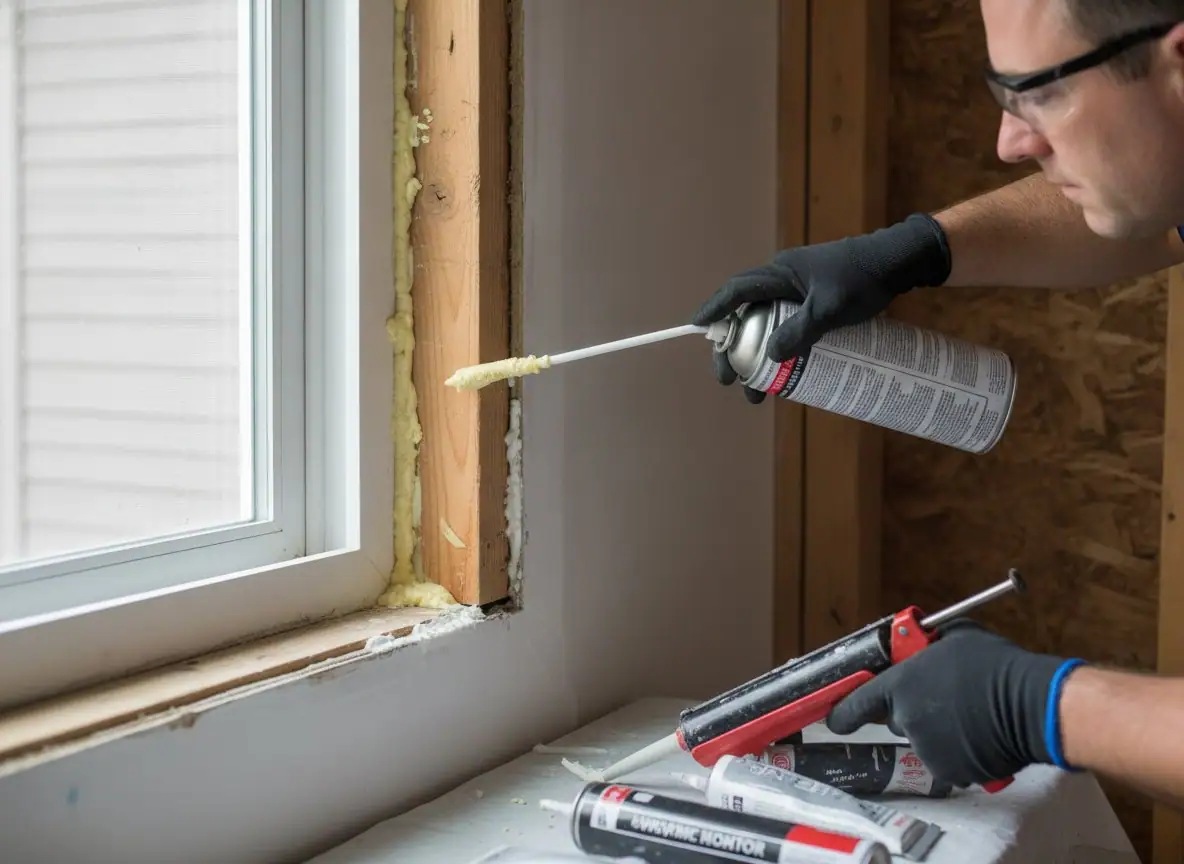
Closed cell spray foam insulation (ccSPF) is a two-component polyurethane material that, when mixed and sprayed, undergoes a rapid chemical reaction and expands to roughly 30 to 40 times its liquid volume. The result is a dense, rigid foam with a closed cellular structure — meaning the individual air pockets within the foam are sealed shut. This structure gives closed cell spray foam its remarkable properties: an R-value of approximately R-6.0 to R-7.0 per inch, exceptional resistance to moisture vapor, and the ability to significantly stiffen wall cavities and roof decks.
Spray foam insulation has been used in commercial construction since the 1940s, but its residential application expanded dramatically in the 1980s and 1990s as energy codes became more stringent across California. By the time Title 24 — California’s Building Energy Efficiency Standards — introduced progressively higher performance requirements in subsequent updates (2005, 2008, 2013, 2016, and 2019), closed cell spray foam had become a preferred method for builders and remodelers who needed to meet or exceed code minimums within constrained wall thicknesses and attic spaces.
Read moreShow less
In Rolling Hills Estates, the predominant residential building types include single-family ranch homes constructed between the 1950s and 1980s, larger custom estates built in the 1990s and 2000s, and a growing number of modern rebuilds and additions. Many of the older homes feature 2×4 framing with minimal or degraded fiberglass batt insulation, making them strong candidates for spray foam retrofits. Newer construction often incorporates spray foam as part of achieving Title 24 compliance from the start.
The Palos Verdes Peninsula’s unique geology — characterized by ancient marine terrace formations, active landslide zones, and clay-rich soils — also means that buildings in this area can experience subtle structural movement over time. Closed cell spray foam’s ability to act as a structural adhesive within wall cavities makes it particularly valuable in this environment, as it helps maintain envelope integrity even when minor settling occurs. Learn more about our spray foam insulation services
Why Closed Cell Spray Foam Insulation Is Needed in Rolling Hills Estates
Marine Layer Humidity and Moisture Intrusion
The Palos Verdes Peninsula is one of the foggiest coastal corridors in Los Angeles County. The marine layer regularly pushes 1.5 to 2 miles inland from the coast, blanketing neighborhoods like Eastfield, Sunnyside Ridge, and Dapplegray in moisture-laden air for 100 or more days per year. This persistent humidity — often exceeding 85% relative humidity during morning hours from June through September — creates ideal conditions for moisture to infiltrate building envelopes. In homes with traditional fiberglass or cellulose insulation, this moisture absorption leads to reduced R-values, mold growth, and wood rot within as few as 5 to 10 years. Closed cell spray foam’s near-zero vapor permeability (rated at 0.8 to 1.0 perms at 2 inches thickness) creates an effective vapor retarder that prevents this moisture from ever reaching the structural cavity.
Temperature Differentials Between Microclimates
Rolling Hills Estates occupies an elevation range from approximately 400 feet near Palos Verdes Drive North to over 1,000 feet along Crenshaw Boulevard toward the ridgeline. This elevation gradient creates significant temperature differentials: on hot inland-wind days, temperatures in the upper neighborhoods can reach 95°F to 100°F while lower coastal areas remain in the 70s. Homes that span or face different microclimatic exposures — particularly those with north-facing canyon sides and south-facing street fronts — experience uneven thermal loads that standard insulation cannot efficiently manage. Closed cell spray foam’s high R-value per inch (R-6.5 per inch) allows installers to precisely tune insulation thickness to match each exposure’s thermal demands.
Santa Ana Wind Events and Wildfire Risk Zones
Rolling Hills Estates is designated a High Fire Hazard Severity Zone (HFHSZ) by CAL FIRE. During Santa Ana wind events — which typically occur October through January and can drive wind speeds of 50 to 80 mph through canyon corridors near Chandler’s Palos Verdes Drive and the Dapplegray neighborhood — the thermal envelope of a home is under extreme stress. These hot, dry, high-velocity winds create significant pressure differentials that drive air infiltration through even small gaps in traditional insulation assemblies. Closed cell spray foam’s seamless, monolithic application eliminates these infiltration pathways, keeping conditioned air inside and hot, ash-laden wildfire air outside.
Aging Building Stock and Energy Code Compliance
Approximately 60% of the residential structures in Rolling Hills Estates were built before 1980, according to Los Angeles County Assessor records. Many of these homes have original fiberglass batt insulation that has compressed, settled, or become contaminated with moisture and pest activity over four to five decades. California’s current Title 24 (2022 cycle) requires minimum wall insulation of R-13 in climate zone 9 (which includes Rolling Hills Estates) and attic insulation of R-38. Many existing homes fall dramatically short of these requirements, resulting in heating and cooling bills 30% to 50% higher than necessary.
Free, no-obligation estimates
Talk to High Return Insulation
Tell us what you need and we’ll take it from there.
Signs You Need Closed Cell Spray Foam Insulation in Rolling Hills Estates
Energy Performance Indicators
- Monthly electricity bills exceeding $250 to $350 during summer cooling months (June through September) in a home under 2,500 square feet
- HVAC system running continuously during marine layer burn-off periods without reaching set temperature
- Noticeable drafts near window frames, electrical outlets, or recessed lighting fixtures during Santa Ana wind events
Moisture and Air Quality Warning Signs
- Musty odors in attic or crawl space areas, particularly in spring and fall when marine layer moisture is highest
- Visible condensation on interior walls or ceilings during cold mornings following warm evenings
- Allergy symptoms that worsen indoors, potentially indicating mold growth within insulated cavities
- Water stains or discoloration on drywall adjacent to exterior walls or roof lines
Structural and Comfort Indicators
- Uneven room temperatures exceeding 5°F to 7°F variation between rooms on the same floor
- Cold floors above crawl spaces during winter months (December through February)
- Visible daylight around pipe penetrations, electrical boxes, or attic access hatches
- Insulation material that appears compressed, discolored, or displaced from original installation position
Any one of these signs warrants a professional evaluation. Multiple signs indicate urgent action is needed to prevent further energy loss, moisture damage, or deterioration of your home’s structural envelope. Learn about our insulation removal services
Our process
Our Closed Cell Spray Foam Insulation Process in Rolling Hills Estates
High Return Insulation follows a rigorous, step-by-step installation process designed to deliver consistent, code-compliant results in Rolling Hills Estates’ unique building conditions.
- 01
Free On-Site Inspection and Assessment (1–2 Hours)
Our certified technician visits your Rolling Hills Estates property to assess existing insulation conditions, identify moisture intrusion points, and evaluate the structural cavity dimensions. We note any landslide zone designations or HOA-specific requirement
- 02
Thermal Imaging and Air Leakage Testing (1–2 Hours)
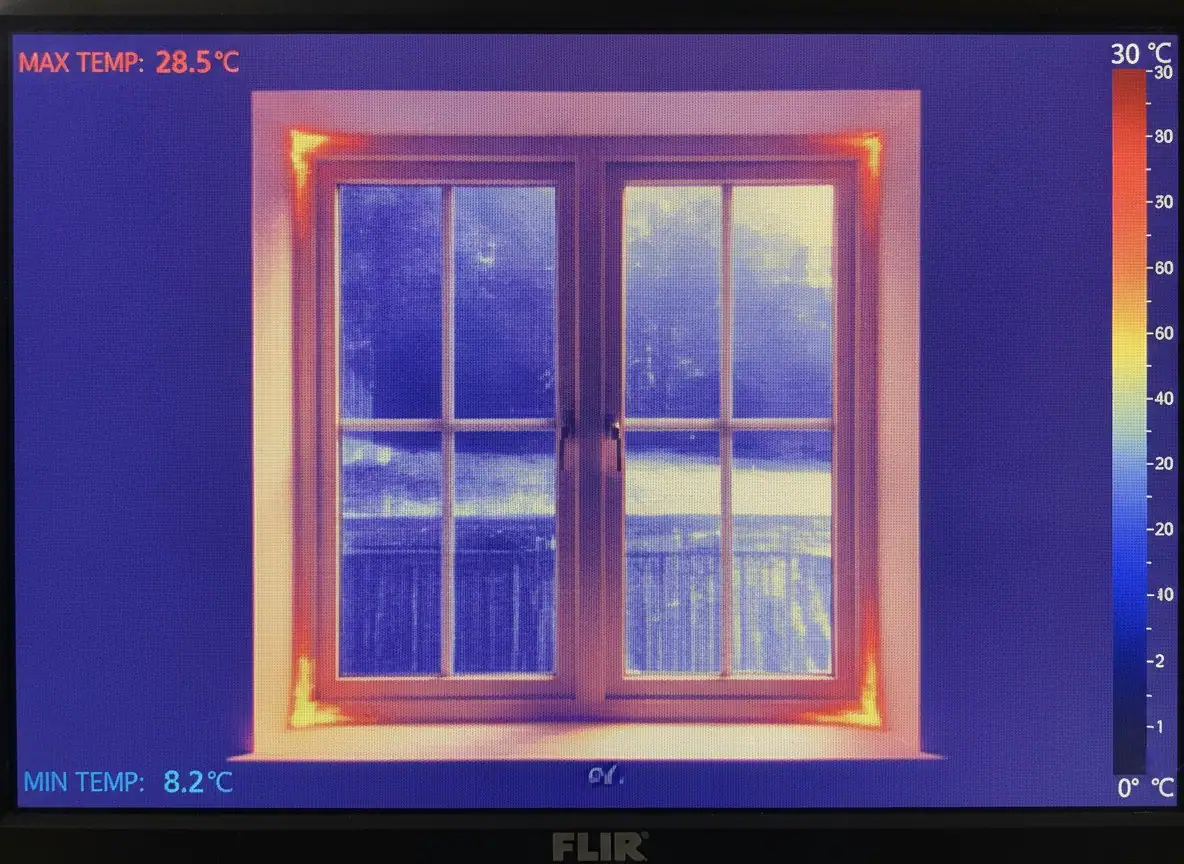
Using infrared thermal imaging cameras, we map heat loss and air infiltration pathways across your building envelope. This step is particularly important in Eastfield and Sunnyside Ridge homes where marine layer exposure creates complex moisture movement patte
- 03
Area Preparation and Protection (2–4 Hours)
All surfaces, fixtures, and furnishings near the work area are masked and covered. Ventilation is established in enclosed spaces. Existing degraded insulation is removed if necessary before spray foam application begins. View our insulation removal and replace
- 04
Closed Cell Spray Foam Application (4–8 Hours Depending on Scope)
Our trained applicators spray the two-component polyurethane mixture in controlled lifts — typically 1 to 2 inches per pass — allowing each layer to fully cure before the next is applied. This prevents overheating and ensures uniform density throughout the app
- 05
Thickness Verification and Quality Control (1 Hour)
We use depth probes to verify that installed foam meets or exceeds the specified R-value at every critical location. For most Rolling Hills Estates applications, this means a minimum of 2 inches (R-13) in walls and 4 to 6 inches (R-26 to R-39) in attic applica
- 06
Post-Installation Inspection and Cleanup (1–2 Hours)
All masking is removed, the work area is cleaned, and a final walkthrough is conducted with the homeowner to confirm satisfaction and answer any questions about the new insulation system’s performance expectations.
Closed Cell Spray Foam Methods and Approaches
Unvented Attic (Conditioned Attic) Application
In this approach, closed cell spray foam is applied directly to the underside of the roof deck, converting the attic into a semi-conditioned space. This is particularly effective in Rolling Hills Estates homes with HVAC equipment or ductwork located in the attic, as it eliminates the extreme temperature swings (140°F in summer) that degrade equipment efficiency. Typical application depth is 4 to 5 inches (R-26 to R-33).
Vented Attic Floor Application
For homes where the attic is vented and the living space ceiling forms the thermal boundary, closed cell foam is applied to the attic floor between joists. This method is preferred when existing soffit and ridge ventilation is functional and meets California Building Code requirements for ventilation ratio.
Wall Cavity Application (New Construction or Open Wall Retrofit)
Closed cell foam is applied within 2×4 or 2×6 stud bays during new construction or during remodels when walls are open. A 2-inch application in a 2×4 wall achieves R-13, meeting current Title 24 minimums while leaving space for wiring and mechanical systems.
Crawl Space Encapsulation
Closed cell foam applied to crawl space walls and rim joists creates a sealed, conditioned environment that prevents ground moisture — a significant issue in the clay-rich soils of the Palos Verdes Peninsula — from entering the building envelope. Learn about our crawl space encapsulation services
Targeted Air Sealing for Existing Homes
For occupied homes where full wall retrofits are not feasible, we apply closed cell foam in a targeted manner at penetrations, rim joists, attic hatches, and other identified air leakage points identified during thermal imaging assessment.
Closed Cell Spray Foam Insulation Cost in Rolling Hills Estates
Homeowners in Rolling Hills Estates can expect to invest between $3.00 and $7.00 per board foot for professionally installed closed cell spray foam insulation, with total project costs varying widely based on scope, accessibility, and existing conditions.
Typical Project Cost Ranges
- Attic application (unvented/conditioned attic): $4,500 – $9,500 for a typical 1,500 to 2,500 square foot home
- Wall cavity application (full home, open walls): $8,000 – $18,000 depending on linear footage and framing type
- Crawl space encapsulation with closed cell foam: $3,500 – $7,500 for a standard single-family footprint
- Targeted air sealing and rim joist application: $1,200 – $3,500 per project
Read moreShow less
Factors That Affect Pricing in Rolling Hills Estates
- Accessibility: Hillside homes with limited attic access or steeply pitched rooflines common in Rolling Hills Estates increase labor time and cost by 15% to 25%
- Existing insulation removal: Removal of contaminated fiberglass or cellulose adds $0.50 to $1.50 per square foot to project cost
- HOA requirements: Some Rolling Hills Estates HOA zones require specific approval documentation before exterior envelope modifications, which may add coordination time
- Material costs: Polyurethane resin prices fluctuate with petrochemical markets; current pricing reflects Southern California regional supplier rates
Most Rolling Hills Estates homeowners recover their closed cell spray foam investment through reduced utility bills within 4 to 7 years. Call (310) 496-8515 for a precise, no-obligation written estimate. Explore all insulation installation options
Neighborhoods We Serve in Rolling Hills Estates and Surrounding Areas
Eastfield, Rolling Hills Estates
Eastfield features a mix of 1960s ranch homes and newer custom builds. The neighborhood’s eastern exposure creates morning moisture buildup from the marine layer, making vapor control through closed cell foam particularly critical in attic and wall assemblies.
Sunnyside Ridge
Homes in Sunnyside Ridge sit at elevations above 800 feet and face significant temperature swings during Santa Ana events. Many homes here were built in the 1970s with minimal insulation and benefit greatly from full-envelope closed cell foam retrofits.
Dapplegray Lane Area
This equestrian-adjacent neighborhood features larger estate homes from the 1980s and 1990s with complex rooflines, multiple HVAC zones, and extensive duct systems in unconditioned attics — all ideal candidates for conditioned attic spray foam conversion.
Extended Service Areas
We also serve Torrance, Palos Verdes Estates, Rancho Palos Verdes, Rolling Hills, Lomita, Redondo Beach, Manhattan Beach, Hermosa Beach, Carson, Gardena, Hawthorne, Inglewood, Lawndale, Compton, El Segundo, Long Beach, Harbor City, San Pedro, and West Carson. View all service areas
Maintenance Tips for Closed Cell Spray Foam Insulation in Rolling Hills Estates
- Annual visual inspection: Each spring, after the peak marine layer season, visually inspect exposed foam surfaces in your crawl space and attic for any signs of cracking, separation, or pest penetration.
- Monitor for pest activity: Rolling Hills Estates is home to ground squirrels and rats that occasionally burrow into foam. Look for small tunnels or droppings near foam edges, especially after heavy rain events in January and February.
- Protect UV-exposed surfaces: Closed cell foam exposed to direct sunlight degrades within 6 to 12 months without a protective coating. Ensure all exterior-facing foam is painted or covered per manufacturer specifications.
- Check attic ventilation annually: In vented attic assemblies, clear soffit vents of debris after Santa Ana wind events, which deposit significant particulate matter on the Palos Verdes Peninsula.
- Test smoke and CO detectors: If you have a conditioned attic, ensure detectors are installed and functional, as closed cell foam changes attic air dynamics.
- Re-inspect after seismic events: After any earthquake of 4.0 magnitude or greater on the Southern California Seismic Network, inspect foam-sealed penetrations for gaps caused by building movement.
- Schedule professional re-evaluation every 10 years: Closed cell foam is highly durable, but re-evaluation ensures continued performance as building use and local climate patterns evolve.
Why Choose High Return Insulation for Closed Cell Spray Foam in Rolling Hills Estates
High Return Insulation is a locally focused insulation contractor serving the South Bay and Palos Verdes Peninsula communities, including Rolling Hills Estates. Our technicians have hands-on experience with the specific building types, soil conditions, HOA requirements, and microclimatic challenges unique to this area. We do not apply a one-size-fits-all approach — every project begins with a thorough on-site evaluation and ends with verified, thickness-tested results.
We work with closed cell spray foam formulations that meet California Air Resources Board (CARB) requirements for low global warming potential blowing agents, ensuring our installations are both high-performing and environmentally responsible under current California environmental regulations.
Read moreShow less
Our service extends across the entire South Bay, from San Pedro and Harbor City to Manhattan Beach and Long Beach, giving us the regional experience and logistical capability to serve Rolling Hills Estates homeowners efficiently and reliably. We back our work with clear, transparent proposals and direct communication throughout every project phase.
Call us at (310) 496-8515 to speak directly with a knowledgeable team member.
FAQ
Frequently Asked Questions About Closed Cell Spray Foam Insulation in Rolling Hills Estates
How much does closed cell spray foam insulation cost in Rolling Hills Estates, CA?
Closed cell spray foam in Rolling Hills Estates typically costs between $3.00 and $7.00 per board foot installed. A complete attic application for a 2,000 square foot home generally runs $5,000 to $9,500 depending on access complexity, roof pitch, and existing insulation removal requirements. Hillside homes with limited access may fall at the higher end of the range. Contact us at (310) 496-8515 for a precise estimate specific to your property.
Is closed cell spray foam better than open cell in Rolling Hills Estates?
For most Rolling Hills Estates applications, yes. The persistent marine layer humidity, moisture-rich coastal air, and crawl space conditions on the Palos Verdes Peninsula make closed cell foam’s superior vapor resistance (0.8 to 1.0 perms) a critical advantage over open cell foam (approximately 16 perms), which can absorb and hold moisture. Closed cell foam also provides a higher R-value per inch, which matters in constrained wall and roof cavities common in the area’s older ranch homes.
How long does installation take for a typical Rolling Hills Estates home?
A standard attic application on a single-family home typically takes one full day (6 to 8 hours). A whole-home wall and attic application during a remodel with open walls may take 2 to 3 days. Crawl space encapsulation projects average 4 to 6 hours. We will provide a specific timeline estimate during your initial consultation.
Will closed cell spray foam help with my high air conditioning bills in summer?
Yes, significantly. Rolling Hills Estates homes with degraded or insufficient insulation commonly see 30% to 50% reductions in cooling energy use after closed cell spray foam installation. The combination of high R-value and complete air sealing eliminates the two primary causes of energy loss: conduction through walls and air infiltration through gaps — both of which are acute problems during summer marine layer burn-off periods and Santa Ana wind events.
Does my Rolling Hills Estates HOA need to approve spray foam installation?
Interior insulation applications (attic, crawl space, interior walls) generally do not require HOA approval. However, if your project involves any changes to exterior finishes, roofing, or visible building envelope components, you should confirm with your HOA before work begins. High Return Insulation can provide project documentation to support HOA review if needed.
Is closed cell spray foam safe for my family during and after installation?
During application, closed cell spray foam produces isocyanate vapors that require all occupants and pets to vacate the property for a minimum of 24 hours. Our technicians use full respiratory protection and establish ventilation protocols per California OSHA requirements. Once fully cured (24 hours), closed cell spray foam is inert, non-toxic, and safe for occupancy. We use CARB-compliant, low-GWP formulations for all Rolling Hills Estates projects.
Can spray foam be added to my existing insulation?
In many cases, yes. Targeted spray foam can be applied over or adjacent to existing fiberglass batts to air-seal specific leakage points without full removal. However, if existing insulation is moisture-damaged, pest-contaminated, or heavily degraded — common in Rolling Hills Estates homes built before 1980 — full removal before spray foam application is strongly recommended for best long-term performance. Learn about insulation replacement options
Do you serve areas near Rolling Hills Estates?
Yes. In addition to Rolling Hills Estates, High Return Insulation serves Torrance, Palos Verdes Estates, Rancho Palos Verdes, Rolling Hills, Lomita, Redondo Beach, Manhattan Beach, Hermosa Beach, El Segundo, Carson, Gardena, Hawthorne, Inglewood, Lawndale, Compton, Long Beach, Harbor City, San Pedro, and West Carson.
Get a Free Closed Cell Spray Foam Insulation Estimate in Rolling Hills Estates Today
If your Rolling Hills Estates home is losing energy to the marine layer, struggling through Santa Ana heat events, or simply running an HVAC system that never seems to catch up — the problem may be your insulation. High Return Insulation provides expert closed cell spray foam installation designed specifically for the Palos Verdes Peninsula’s unique environment and building conditions.
We offer free, no-obligation on-site inspections and written estimates with transparent, itemized pricing. Our team is ready to help you reduce energy costs, improve indoor comfort, and protect your home’s structure for decades to come.
Call us now at (310) 496-8515 or reach out through our website to schedule your consultation. Serving Rolling Hills Estates and all surrounding South Bay communities. Request your free insulation estimate
Get in touch
Find insulation help near you
Request a free estimate online or give us a call — our team will follow up quickly.
- Call us(310) 496-8515
- Visit28441 Highridge Rd, Rolling Hills Estates, CA 90274
- HoursMon-Sun 07:00-19:00