Rockwool Insulation in Rolling Hills Estates, CA
Energy-Saving Rockwool Insulation for Rolling HIlls Estates, CA Homes — Licensed & Insured
Get expert Rockwool insulation in Rolling Hills Estates, CA. Fire-resistant, moisture-proof mineral wool for coastal hillside homes. Call (310) 496-8515 today.
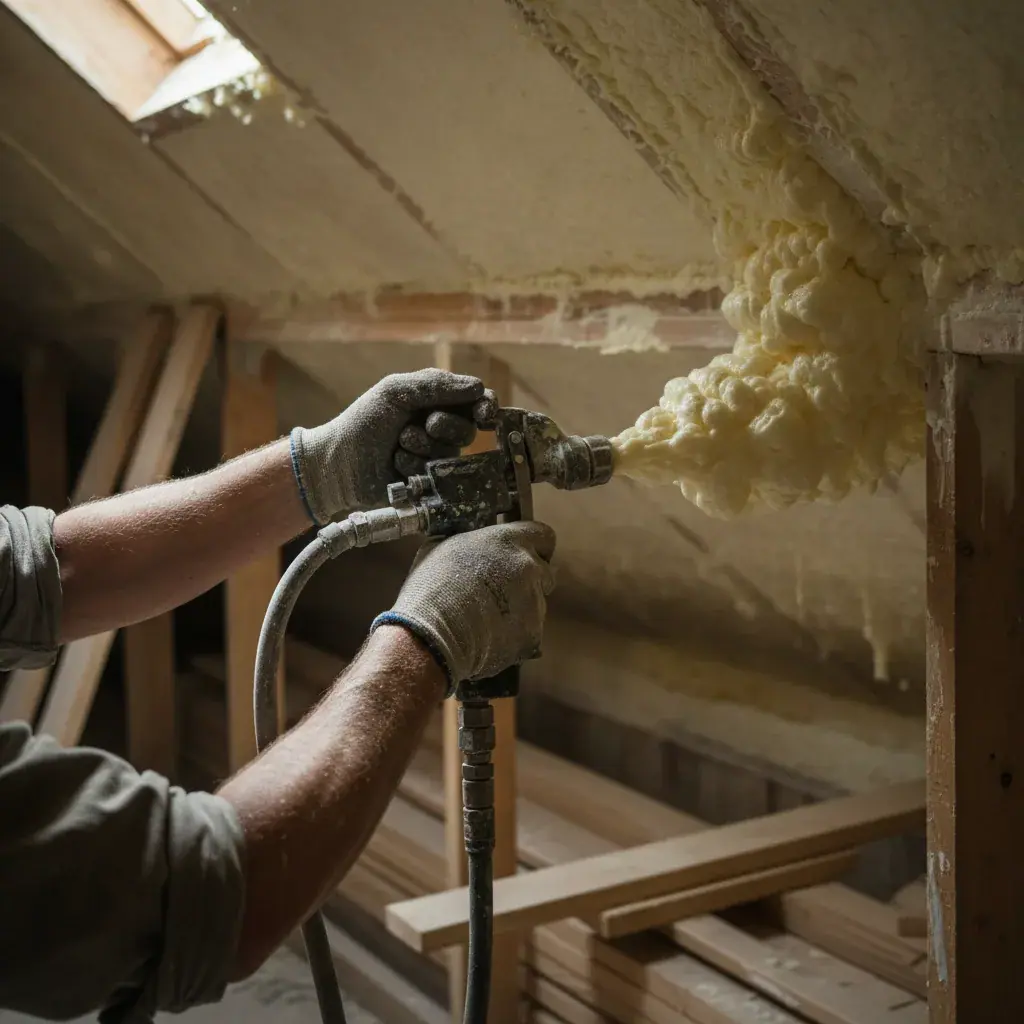
Rockwool insulation — also known as mineral wool or stone wool insulation — is a premium, fire-resistant insulation material manufactured from volcanic basalt rock and recycled slag. It delivers exceptional thermal performance, outstanding acoustic dampening, and inherent moisture resistance, making it one of the most effective insulation solutions available for homeowners in Rolling Hills Estates, CA.
Rolling Hills Estates sits atop the Palos Verdes Peninsula, where coastal marine layer, hillside temperature swings between daytime highs near 80°F and nighttime lows in the low 50s°F, and elevated wildfire risk zones create a unique set of insulation challenges. The community’s predominantly ranch-style and mid-century custom homes — many built between the 1950s and 1980s — often harbor aging, degraded insulation that no longer meets modern energy codes or fire-safety standards.
Read moreShow less
At High Return Insulation, our team is experienced in assessing and installing Rockwool insulation in the specific construction styles, lot grades, and climate exposures that define Rolling Hills Estates properties. Call us today at (310) 496-8515 to schedule your assessment.
Understanding Rockwool Insulation
Rockwool insulation is produced by melting basaltic rock and recycled industrial slag at temperatures exceeding 2,900°F, then spinning the molten material into fine, interlocking fibers. The resulting batt, board, or loose-fill product is dense, dimensionally stable, and inherently resistant to fire, moisture, mold, and pests — characteristics that set it apart from traditional fiberglass batts or cellulose blown-in insulation.
The material was first developed in Europe in the early 20th century and gained widespread adoption across North America during the energy crisis of the 1970s, when building scientists recognized its superior R-value per inch and longevity. Today, Rockwool products such as ROCKWOOL Safe’n’Sound and Comfortbatt are staples in high-performance building projects across California.
Why Rockwool Insulation Is Needed in Rolling Hills Estates, CA
Marine Layer and Coastal Humidity
The National Weather Service station at Los Angeles International Airport — the closest official monitoring point — records average relative humidity levels in this coastal subregion between 70% and 85% during overnight and morning hours from May through September. Rolling Hills Estates’ own elevated position traps marine layer fog against its hillsides, meaning that attic spaces, crawl spaces, and wall cavities in unprotected homes regularly experience moisture intrusion. Many homes built in the 1960s and 1970s used kraft-faced fiberglass batts that have since deteriorated under these conditions, allowing moisture to enter wall assemblies and reduce effective R-values by as much as 40%.
Wildfire Risk Zone Compliance
Following the catastrophic 2018 Woolsey Fire, which burned approximately 96,949 acres across Los Angeles and Ventura Counties and prompted widespread reassessment of fire-safety standards on the Palos Verdes Peninsula, the City of Rolling Hills Estates reinforced its building code requirements for fire-resistant materials in attic and wall assemblies. Rockwool’s non-combustible rating makes it one of the few insulation types that aligns with both current code and prudent risk management in a VHFHSZ community.
Temperature Swing Between Ridgeline and Canyon Microclimates
Properties along the Crest Road corridor and those backing onto Agua Negra Canyon experience temperature differentials of up to 15°F between sun-exposed ridgeline elevations and shaded canyon-adjacent lots within the same neighborhood. Homes with inadequate insulation — particularly in attic assemblies — can experience interior temperature fluctuations that force HVAC systems to cycle excessively, driving up energy bills and accelerating equipment wear. Properly installed Rockwool insulation at R-38 or R-60 in attic cavities stabilizes interior temperatures across these microclimatic variations.
Aging Housing Stock
The majority of Rolling Hills Estates’ residential properties were constructed between 1955 and 1985. Homes built in this era frequently used 3.5-inch fiberglass batts that provide R-11 to R-13 in wall cavities — well below California’s current Title 24 minimum of R-15 for Climate Zone 8. Attic insulation in these homes, where it exists at all, often measures fewer than 4 inches of depth, yielding R-11 to R-15 versus the code-required minimum of R-38. Upgrading to Rockwool addresses both the thermal gap and the fire-safety gap in a single installation.
Equestrian Community Dust and Pest Pressure
Rolling Hills Estates maintains active equestrian zoning throughout much of the community. The presence of horses, hay storage, and open stabling creates elevated rodent pressure compared to surrounding municipalities. Rats and mice frequently infiltrate attic and crawl space insulation, nesting within and voiding on fiberglass and cellulose materials. Rockwool’s density and inorganic composition make it significantly less hospitable to nesting activity, reducing both pest damage and associated health risks from contaminated insulation.
Free, no-obligation estimates
Talk to High Return Insulation
Tell us what you need and we’ll take it from there.
Signs You Need Rockwool Insulation in Rolling Hills Estates
Energy and Comfort Indicators
- Monthly Southern California Edison bills exceeding $250–$350 during summer cooling months despite moderate thermostat settings
- Rooms on the top floor or beneath the roofline running 5°F or more warmer than the rest of the home
- HVAC system cycling on and off more than three times per hour on moderate weather days
- Cold drafts along exterior walls during winter nights when temperatures drop into the low 50s°F
Moisture and Mold Indicators
- Visible condensation on interior window surfaces or wall surfaces adjacent to exterior walls during June Gloom months
- Musty or earthy odors in attic spaces or crawl spaces following marine fog events
- Discoloration or soft spots in drywall along exterior walls
- Visible mold growth on attic sheathing or rafters during a visual inspection
Physical Insulation Deterioration
- Existing fiberglass batts that have slumped, compressed, or fallen out of wall or ceiling cavities
- Rodent nesting material or droppings mixed into attic insulation — a common finding in equestrian-zoned sections of Rolling Hills Estates
- Insulation depth in the attic measuring fewer than 10 inches (indicating R-values well below Title 24 minimums)
Urgency Indicators
- Homes in Very High Fire Hazard Severity Zones with no fire-rated insulation in attic or wall assemblies
- Recent insulation removal due to rodent contamination with no replacement completed
Our process
Our Rockwool Insulation Installation Process in Rolling Hills Estates
- 01
Initial Assessment and Energy Audit (1–2 Hours)
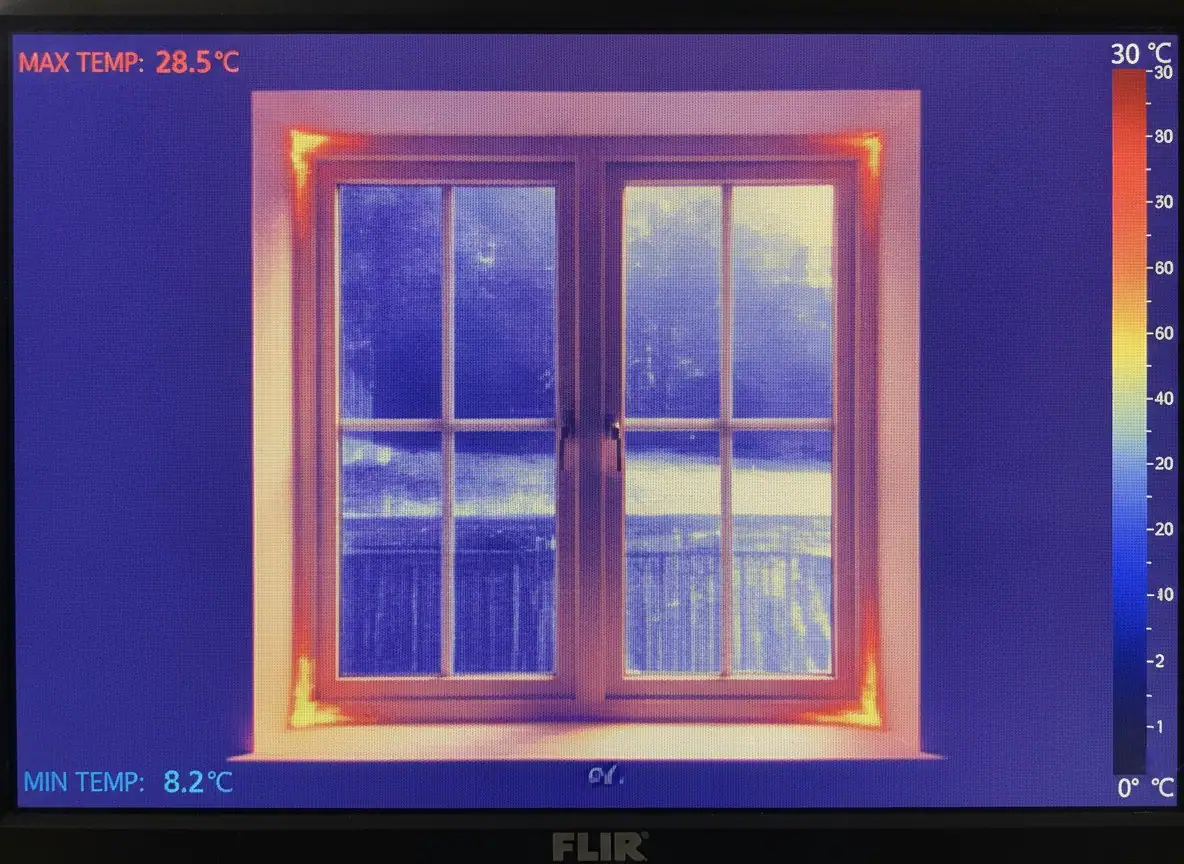
Our technician visits your Rolling Hills Estates property and conducts a thorough visual and thermal assessment of existing insulation conditions in attic spaces, crawl spaces, and accessible wall cavities. We document current R-values, identify moisture intru
- 02
Insulation Removal (If Required) (Half Day to Full Day)
If existing insulation is contaminated, degraded, or incompatible with the Rockwool installation plan, our team performs complete insulation removal using HEPA-filtered vacuum equipment. All removed material is bagged, sealed, and disposed of in compliance wit
- 03
Air Sealing and Moisture Preparation (2–4 Hours)
Before installing Rockwool batts or blown-in product, we seal attic penetrations, rim joists, and top plates with fire-rated caulk and expanding foam. For properties with crawl spaces — common in Rolling Hills Estates’ sloped-lot construction — we assess wheth
- 04
Rockwool Installation (Half Day to Full Day)
Rockwool batts are friction-fit into wall cavities, floor joists, and attic rafter bays to their specified R-value. In attic floor assemblies, blown-in Rockwool loose fill is applied using calibrated blowing equipment to achieve uniform depth — typically 10 to
- 05
Quality Verification and Depth Measurement (1 Hour)
We place depth measurement rulers throughout attic installations and photograph completed work for documentation. Thermal imaging is used where accessible to verify coverage uniformity and identify any gaps or voids in wall cavity installations.
- 06
Clean-Up and Site Restoration (1–2 Hours)
All work areas are cleaned, attic access hatches are re-insulated and weather-stripped, and any materials disturbed during installation are restored. We remove all packaging and debris from the property.
- 07
Final Walkthrough and Documentation (30 Minutes)
We review completed installation with the homeowner, provide documentation of achieved R-values, and discuss any follow-up recommendations such as attic ventilation improvements or crawl space moisture management relevant to your specific Rolling Hills Estates
Rockwool Insulation Methods and Approaches
Rockwool Batt Installation
Rockwool Comfortbatt is the most common product used in Rolling Hills Estates wall and attic rafter bay applications. Pre-cut batts are friction-fit into standard 2×4 (R-15) and 2×6 (R-23) stud cavities without the need for stapling or adhesive. This method is ideal for exposed wall cavities during renovation projects and for open attic rafter bays in homes undergoing re-roofing — an increasingly common project in the fire-risk-aware Palos Verdes Peninsula community.
Blown-In Rockwool Loose Fill
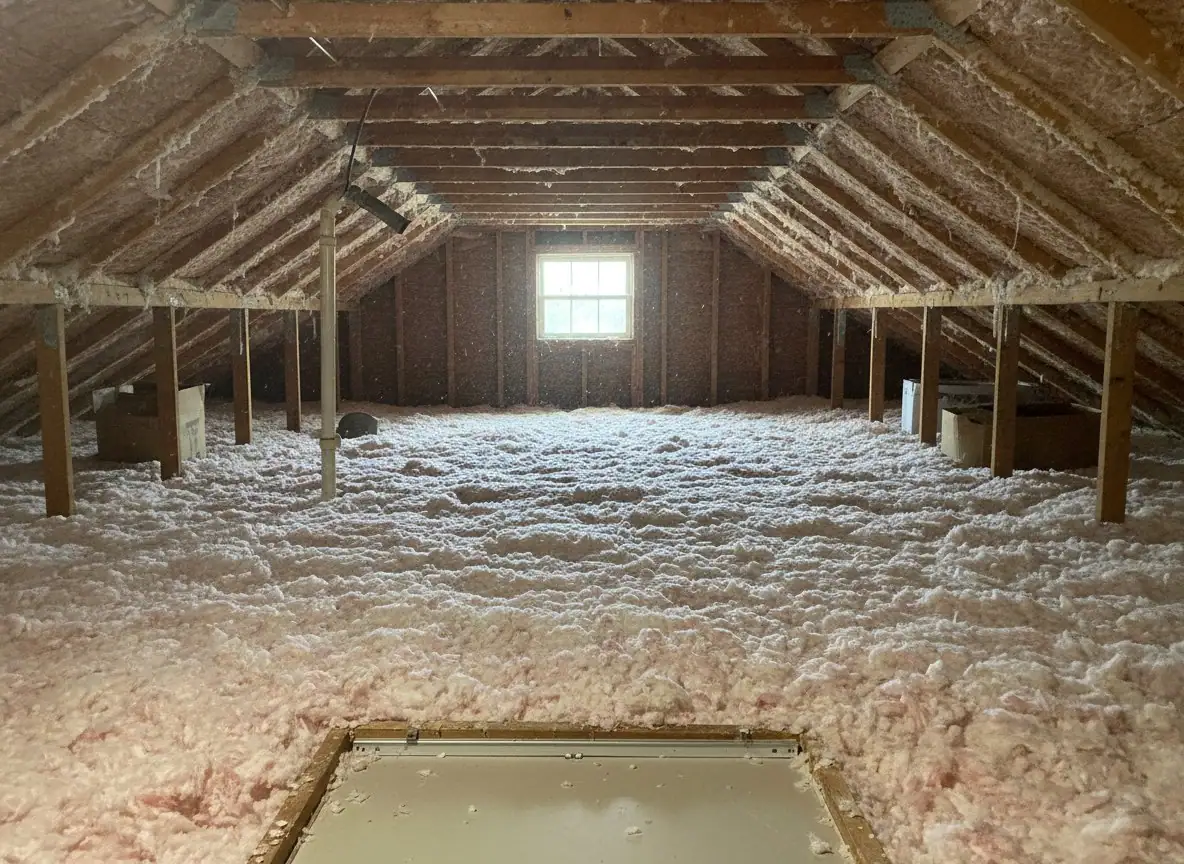
Loose-fill Rockwool is pneumatically blown into open attic floor assemblies to achieve R-38, R-49, or R-60 depths per California Title 24 requirements. This method is particularly well-suited to Rolling Hills Estates’ older homes, where attic floor joists run in multiple directions and batt installation would leave significant gaps. Blown-in application achieves uniform coverage regardless of joist orientation or framing irregularities. Blow-in insulation is one of our most requested services for this community.
Rockwool Continuous Insulation Board
Rockwool COMFORTBOARD is a rigid mineral wool board applied to exterior wall surfaces or under roof decking to provide a continuous thermal break. This approach eliminates thermal bridging through studs — a meaningful energy-efficiency upgrade for mid-century construction where framing-to-wall-area ratios are high. It is most applicable during siding replacement or re-roofing projects on Rolling Hills Estates properties.
Combined Rockwool and Spray Foam Systems
For crawl spaces and rim joists in hillside construction, we sometimes combine closed-cell spray foam insulation as an air and moisture barrier with Rockwool batts for thermal performance. This hybrid approach addresses both the air-sealing requirements and the R-value requirements of Title 24 in a single installation sequence.
Rockwool for Attic Insulation Replacement
Following rodent remediation or moisture damage removal, attic insulation replacement using Rockwool blown-in or batt products restores both thermal performance and fire-rated characteristics to the attic assembly. This is a particularly relevant application for Rolling Hills Estates homes where equestrian-zone rodent pressure has compromised existing insulation.
Rockwool Insulation Cost in Rolling Hills Estates, CA
Understanding the cost of Rockwool insulation in Rolling Hills Estates, CA helps homeowners budget accurately and evaluate return on investment. Pricing varies based on application type, existing conditions, and project scope.
Typical Cost Ranges
- Attic blown-in Rockwool (to R-38): $1.50–$2.50 per square foot installed, or approximately $2,250–$3,750 for a 1,500 sq ft attic floor
- Attic blown-in Rockwool (to R-60): $2.25–$3.50 per square foot installed, or approximately $3,375–$5,250 for a 1,500 sq ft attic
- Wall cavity Rockwool batt (2×4, R-15): $1.20–$2.00 per square foot of wall area
- Wall cavity Rockwool batt (2×6, R-23): $1.50–$2.50 per square foot of wall area
- Crawl space Rockwool insulation: $2.50–$4.00 per square foot depending on access difficulty
- Insulation removal prior to installation: $1.00–$2.00 per square foot, depending on contamination level
Read moreShow less
Location-Specific Pricing Factors in Rolling Hills Estates
Rolling Hills Estates’ hillside topography increases labor costs compared to flatland South Bay communities. Steep-lot properties with limited attic and crawl space access — common on Crest Road, Palos Verdes Drive North, and the gated equestrian sections — require additional setup time and specialized equipment, which is reflected in project pricing. Homes within the gated community of Rolling Hills Estates requiring security access coordination may also incur minor scheduling surcharges.
California utility rebate programs through Southern California Edison’s Energy Upgrade California initiative may offset a portion of Rockwool insulation costs for qualifying homeowners. Contact us at (310) 496-8515 for a specific project estimate and assistance identifying applicable incentive programs.
Rockwool Insulation Service Areas in and Around Rolling Hills Estates
Crest Road Corridor
Properties along Crest Road represent some of Rolling Hills Estates’ most elevated lots, with ridgeline exposures that amplify both wind-driven moisture infiltration and summer solar heat gain through roof assemblies. Many homes here were built in the 1960s and feature low-slope rooflines with minimal attic depth, making blown-in Rockwool a preferred solution for achieving Title 24 R-values within space constraints.
Palos Verdes Drive North Neighborhoods
Homes adjacent to Palos Verdes Drive North experience higher ambient traffic noise than interior residential streets. Rockwool’s acoustic performance in exterior wall assemblies is a meaningful benefit for homeowners in these locations, reducing road noise transmission into living spaces while simultaneously improving thermal performance.
Equestrian Zone Residential Areas
Rolling Hills Estates’ equestrian-zoned neighborhoods feature larger lots, horse paddocks, and hay storage that create elevated rodent pressure. Attic and crawl space insulation in these areas experiences higher rates of pest contamination than typical suburban properties, making Rockwool’s inorganic, pest-resistant composition especially well-suited to insulation replacement projects here.
We also serve neighboring communities including Torrance, Rancho Palos Verdes, Palos Verdes Estates, Rolling Hills, Lomita, Manhattan Beach, Redondo Beach, Hermosa Beach, Lawndale, Gardena, Hawthorne, Inglewood, Carson, West Carson, El Segundo, Compton, Long Beach, Harbor City, and San Pedro.
Rockwool Insulation Maintenance Tips for Rolling Hills Estates Homeowners
- Inspect attic insulation depth annually: Use a ruler or depth stick to verify blown-in Rockwool maintains its installed depth. Settling of more than 1 inch over several years warrants a top-up evaluation.
- Check for rodent entry points each fall: Before the rainy season, inspect roofline vents, soffit edges, and crawl space screens for gaps larger than ¼ inch. Rolling Hills Estates’ equestrian environment means rodent pressure remains active year-round.
- Monitor crawl space moisture after rain events: Following the winter rainy season (November through March), inspect crawl spaces for standing water or elevated humidity that could compromise insulation performance on sloped-lot properties.
- Clear attic vents of debris seasonally: Marine layer salt and windblown plant debris from the Palos Verdes Peninsula’s native chaparral can clog ridge and soffit vents, reducing attic ventilation and raising moisture levels within the insulation assembly.
- Re-inspect after any roof work: Roofing contractors who access your attic may disturb or compress Rockwool batts. A post-roofing insulation inspection ensures coverage has not been compromised.
- Maintain attic access hatch insulation: Attic hatches are a common thermal weak point. Ensure the hatch cover is insulated to at least R-30 and weather-stripped to prevent conditioned air loss.
- Schedule professional assessment every 7–10 years: Even durable Rockwool benefits from periodic professional review to confirm air sealing, vapor management, and R-value performance remain optimal for Rolling Hills Estates’ coastal microclimate.
Why Choose High Return Insulation for Rockwool Installation in Rolling Hills Estates
High Return Insulation is a South Bay-based insulation contractor with deep familiarity with the construction styles, microclimates, and fire-risk conditions specific to Rolling Hills Estates and the Palos Verdes Peninsula. Our technicians understand the difference between insulating a ridgeline ranch home on Crest Road and a canyon-adjacent property on Palos Verdes Drive North — and we adapt our approach accordingly.
We offer the full spectrum of insulation services that Rolling Hills Estates homeowners need: from initial insulation removal and rodent remediation to Rockwool batt installation, blown-in attic insulation, crawl space insulation, and crawl space encapsulation. This means you work with a single, accountable contractor from assessment through final inspection rather than coordinating multiple vendors.
Read moreShow less
We are familiar with California Title 24 Energy Code requirements for Climate Zone 8, local permit processes through the City of Rolling Hills Estates Building and Safety Department, and Southern California Edison rebate programs available to qualifying homeowners. Call us at (310) 496-8515 to speak with a local insulation specialist.
FAQ
Frequently Asked Questions About Rockwool Insulation in Rolling Hills Estates, CA
How much does Rockwool insulation cost in Rolling Hills Estates?
Rockwool insulation in Rolling Hills Estates typically costs $1.50–$3.50 per square foot installed for attic blown-in applications and $1.20–$2.50 per square foot for wall cavity batt installations. Total project costs for a standard 1,500 sq ft attic upgrade to R-38 generally range from $2,250 to $3,750 before any applicable Southern California Edison rebates. Hillside properties with difficult attic or crawl space access may fall toward the higher end of these ranges due to additional labor requirements.
Is Rockwool worth it compared to fiberglass in Rolling Hills Estates?
Yes — particularly in Rolling Hills Estates. Rockwool’s non-combustible composition is a meaningful advantage in a Very High Fire Hazard Severity Zone community. Its hydrophobic fiber structure resists moisture absorption during the frequent marine fog events along the Palos Verdes Peninsula, and its density discourages rodent nesting in equestrian-zone neighborhoods. While Rockwool costs approximately 20–30% more than comparable fiberglass, its longevity and performance under coastal conditions typically produce a better long-term return.
How long does Rockwool insulation last?
Rockwool insulation has an expected service life of 50 years or more under normal conditions. Its inorganic composition means it does not degrade from moisture, mold, or pest activity the way fiberglass or cellulose does — a particularly important characteristic for Rolling Hills Estates homes exposed to marine humidity and equestrian-zone rodent pressure.
Does Rockwool insulation require a permit in Rolling Hills Estates?
In most cases, adding blown-in insulation to an existing attic does not require a permit from the City of Rolling Hills Estates Building and Safety Department. However, insulation work performed as part of a larger renovation, re-roof, or addition project typically requires that all insulation meet current California Title 24 standards and may be subject to inspection. High Return Insulation can advise on permit requirements specific to your project scope.
How long does Rockwool insulation installation take?
A standard attic blown-in Rockwool installation for a Rolling Hills Estates home is typically completed in one day. Projects that include prior insulation removal, crawl space encapsulation, or wall cavity batt installation across multiple areas of the home may require two to three days total. Hillside properties with limited attic access may require additional setup time.
Can Rockwool insulation help with wildfire protection in Rolling Hills Estates?
Rockwool is non-combustible and can withstand temperatures up to 2,150°F, which provides meaningful protection against radiant heat and ember intrusion in attic assemblies during a wildfire event. While insulation alone cannot fireproof a structure, replacing combustible fiberglass or cellulose insulation with Rockwool in attic spaces is a recommended hardening measure for homes in Rolling Hills Estates’ Very High Fire Hazard Severity Zone, consistent with the community’s post-2018 Woolsey Fire safety awareness.
What areas near Rolling Hills Estates does High Return Insulation serve?
In addition to Rolling Hills Estates, High Return Insulation serves Torrance, Rancho Palos Verdes, Palos Verdes Estates, Rolling Hills, Lomita, Manhattan Beach, Redondo Beach, Hermosa Beach, Lawndale, Gardena, Hawthorne, Inglewood, Carson, West Carson, El Segundo, Compton, Long Beach, Harbor City, and San Pedro. Contact us at (310) 496-8515 to confirm service availability for your specific address.
What is the R-value requirement for Rolling Hills Estates under California Title 24?
Rolling Hills Estates falls within California Climate Zone 8. Under California Title 24 Energy Code, the minimum attic insulation requirement for this climate zone is R-38 for altered attics in existing homes and R-49 for new construction. Wall cavity insulation minimums are R-15 for 2×4 framing and R-21 for 2×6 framing. Many Rolling Hills Estates homes built before 1985 fall significantly below these values, making an upgrade to Rockwool a code-compliance improvement as well as an energy and fire-safety investment.
Get a Free Rockwool Insulation Estimate in Rolling Hills Estates, CA
If your Rolling Hills Estates home is losing energy to an inadequately insulated attic, suffering from marine fog moisture intrusion in wall cavities, or using aging fiberglass insulation that no longer meets California Title 24 or fire-safety standards, High Return Insulation is ready to help.
Our team will assess your home’s current insulation conditions, identify the right Rockwool solution for your specific property and budget, and provide a clear, itemized estimate with no obligation. We serve Rolling Hills Estates and the entire Palos Verdes Peninsula and South Bay.
Call us today at (310) 496-8515 to schedule your free on-site assessment. Let High Return Insulation deliver the thermal performance, fire resistance, and moisture protection your Rolling Hills Estates home deserves.
Get in touch
Find insulation help near you
Request a free estimate online or give us a call — our team will follow up quickly.
- Call us(310) 496-8515
- Visit28441 Highridge Rd, Rolling Hills Estates, CA 90274
- HoursMon-Sun 07:00-19:00