
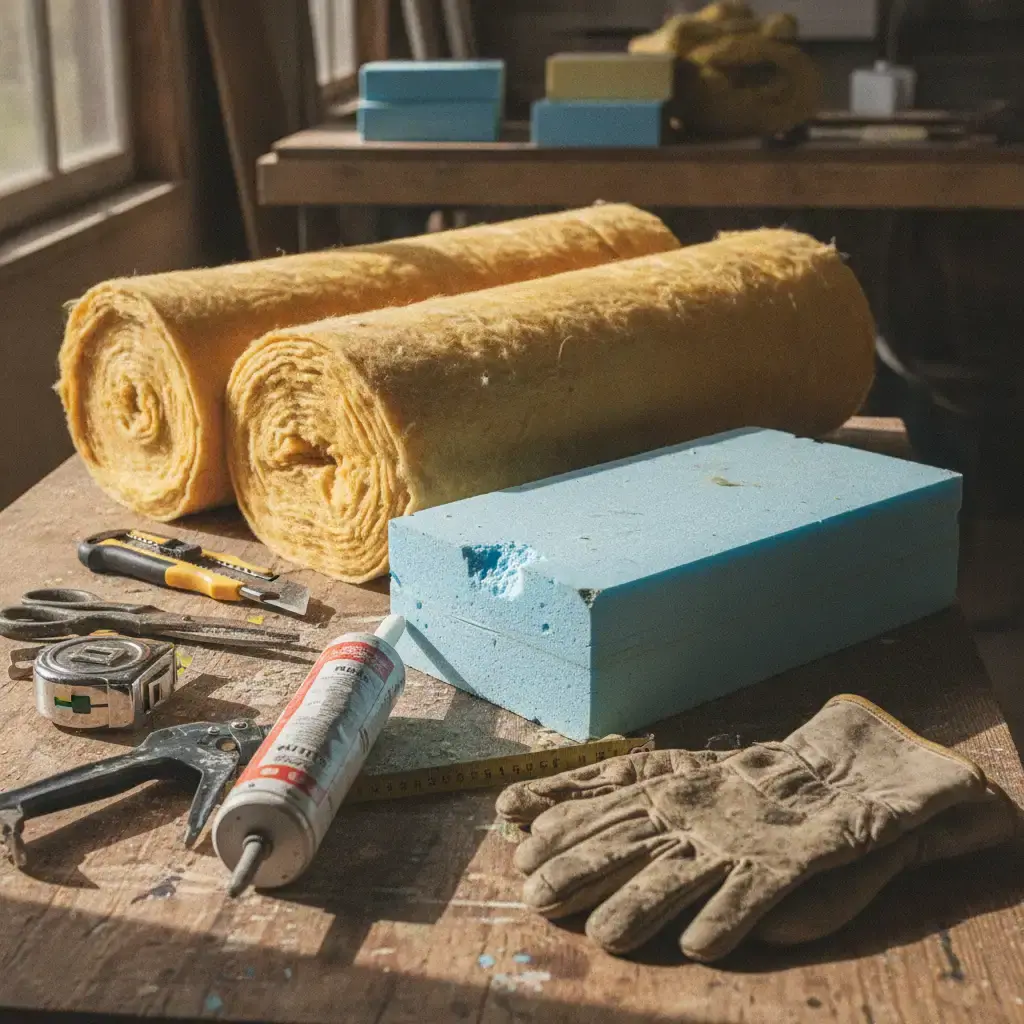
Spray Foam Insulation Cost in Rolling Hills Estates, CA
Transparent Spray Foam Insulation Cost Pricing for Rolling HIlls Estates, CA Homeowners — Free Estimates
Get accurate spray foam insulation cost in Rolling Hills Estates, CA. High Return Insulation offers free estimates for attics, crawl spaces & more. Call (310) 496-8515.
Understanding spray foam insulation cost in Rolling Hills Estates, CA is the first step toward making a smart, long-term investment in your home’s comfort and energy efficiency. Spray foam insulation is a high-performance material that expands on contact to seal air gaps, reduce thermal transfer, and block moisture infiltration — challenges that are especially relevant in the coastal hillside environment of Rolling Hills Estates.
Rolling Hills Estates sits atop the Palos Verdes Peninsula, where marine layer fog, Pacific coastal winds, and sloped terrain create unique insulation demands unlike those found in flatland Los Angeles communities. Homes here range from mid-century ranch-style properties to newer custom builds, and each has distinct insulation needs shaped by roof pitch, crawl space configuration, and exposure to ocean air.
Read moreShow less
At High Return Insulation, we specialize in delivering accurate, transparent pricing and professional-grade installation tailored specifically to the conditions found in Rolling Hills Estates. Call us today at (310) 496-8515 to request a detailed cost estimate for your property.
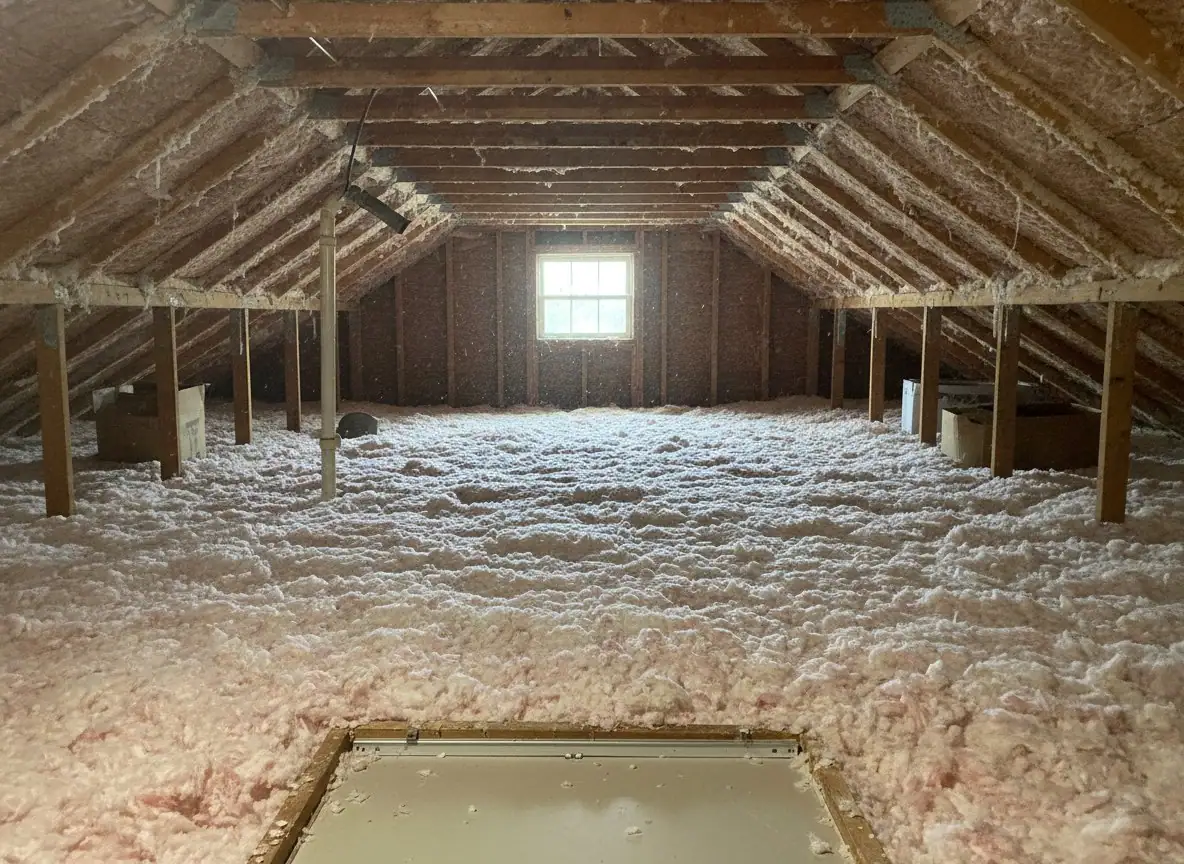
Understanding Spray Foam Insulation Cost in Rolling Hills Estates
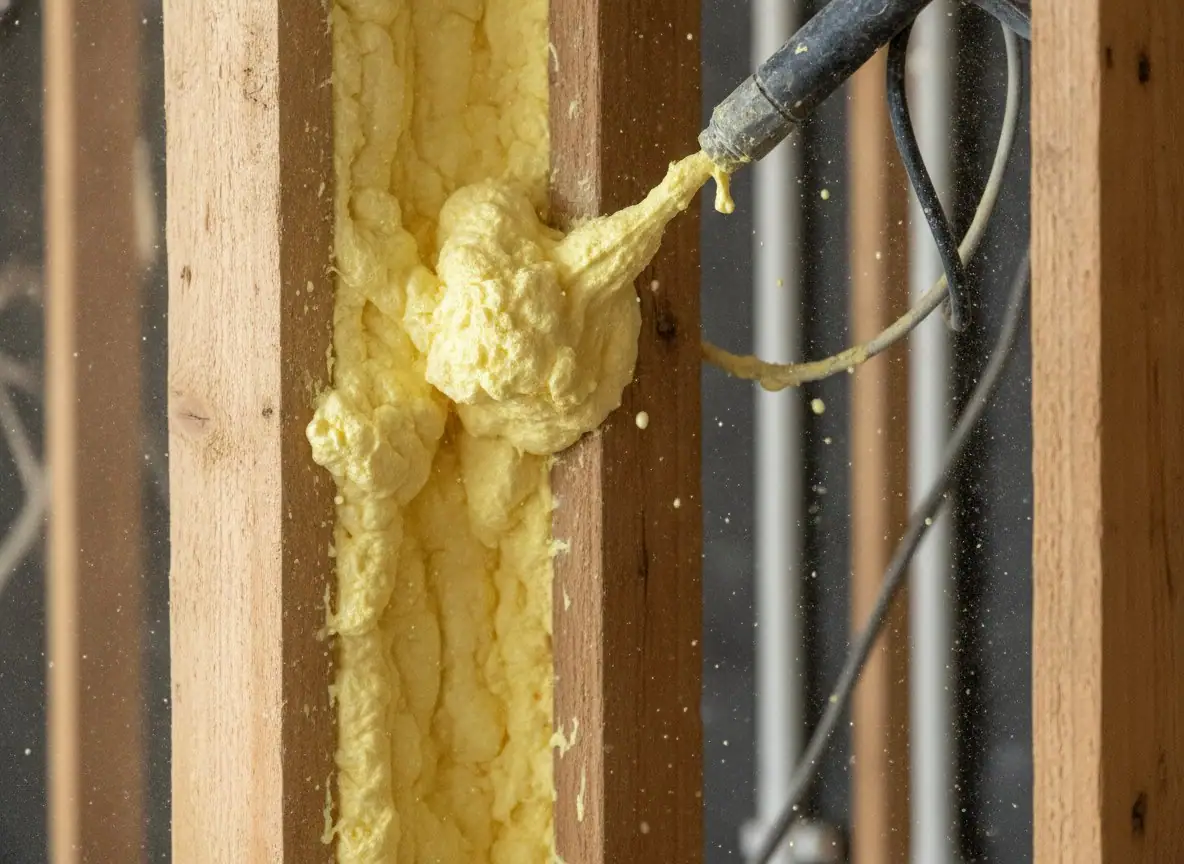
Spray foam insulation is a two-component polyurethane product that combines isocyanate and polyol resin at the tip of a spray gun. When these chemicals meet, a rapid exothermic reaction occurs, causing the mixture to expand significantly and adhere to virtually any surface. The result is a seamless, airtight thermal barrier that outperforms traditional fiberglass batts and blown-in alternatives in nearly every measurable category.
There are two primary types of spray foam: open-cell and closed-cell. Open-cell foam is lighter, more flexible, and less expensive per square foot. It expands dramatically — up to 100 times its original volume — making it ideal for interior wall cavities and attic rafters. Closed-cell foam is denser, offers a higher R-value per inch (approximately R-6 to R-7 per inch), and acts as a vapor barrier. It is particularly well-suited for crawl spaces, exterior walls, and any location where moisture intrusion is a concern.
Read moreShow less
The history of spray polyurethane foam in residential construction dates to the 1970s energy crisis, when homeowners and builders began seeking alternatives to fiberglass insulation. By the 1990s, spray foam had become mainstream in high-performance building, and by the 2010s, California’s evolving Title 24 energy code had begun pushing insulation requirements to levels that spray foam was uniquely positioned to meet.
In Rolling Hills Estates specifically, the prevalence of post-World War II ranch homes built between 1950 and 1975 means many properties still contain original fiberglass batt insulation that has compressed, shifted, or degraded over decades. The Peninsula’s hillside geography also means a disproportionate number of homes feature raised foundations with exposed crawl spaces — a configuration that benefits enormously from spray foam encapsulation.
California’s Title 24, Part 6 energy standards now require minimum R-38 in attic assemblies for Climate Zone 8, which covers the Palos Verdes Peninsula. Spray foam is one of the most efficient paths to meeting or exceeding these minimums within constrained rafter depths common in older Rolling Hills Estates homes.
Signs You Need Spray Foam Insulation in Rolling Hills Estates
Energy and Comfort Symptoms
- Monthly SCE or SoCalGas bills are 25 percent or more above neighbors with comparable square footage
- Rooms on the west-facing side of the house feel noticeably colder or warmer than interior rooms
- HVAC system runs continuously during June marine layer mornings without reaching setpoint temperature
- Floors above the crawl space feel cold to bare feet during winter months, especially in the 42°F–48°F overnight temperature range common to upper Peninsula elevations
Moisture and Air Quality Indicators
- Musty odors in lower-level rooms, particularly after marine layer fog events
- Visible condensation on interior walls or window sills during humid coastal mornings
- Evidence of mold or mildew on attic sheathing or crawl space floor joists
- Pest entry through gaps in rim joists or crawl space vents — a common issue on the Palos Verdes Peninsula where Argentine ants and subterranean termites are prevalent
Structural and Visual Warning Signs
- Fiberglass batt insulation visibly sagging, falling, or discolored in attic or crawl space
- Daylight visible through eave or rim joist gaps during crawl space inspection
- Ice plant or hillside moisture wicking up through unencapsulated crawl space soil
Urgency Note: If you detect mold growth on structural members or evidence of wood decay, contact us immediately. Spray foam application should be preceded by remediation, and delay increases structural repair costs significantly.
Free, no-obligation estimates
Talk to High Return Insulation
Tell us what you need and we’ll take it from there.
Our process
Our Spray Foam Insulation Installation Process in Rolling Hills Estates
- 01
Free On-Site Assessment (Day 1 — 60 to 90 Minutes)
Our technician visits your Rolling Hills Estates property to evaluate attic depth, crawl space height and accessibility, existing insulation condition, and any moisture or pest damage. We document current R-values and identify California Title 24 compliance ga
- 02
Detailed Written Estimate (Within 24 Hours)
We provide a line-item cost proposal specifying material type (open-cell or closed-cell), thickness, square footage, and projected R-value outcome. The estimate includes any required preparatory work such as old insulation removal or crawl space vapor barrier
- 03
Preparation and Protection (Installation Day — First 1 to 2 Hours)
We cover HVAC equipment, electrical fixtures, and finished surfaces with protective sheeting. In crawl spaces, we ensure adequate ventilation or set up forced-air exhaust fans to manage off-gassing during curing. Occupants are advised to vacate the property fo
- 04
Old Insulation Removal If Required (2 to 4 Hours Depending on Volume)
Degraded fiberglass or blown-in insulation is extracted using commercial vacuum equipment and properly bagged for disposal. This is often necessary in Rolling Hills Estates attics where original 1960s kraft-faced batts have compressed to an effective R-value b
- 05
Spray Foam Application (2 to 6 Hours Depending on Scope)
Trained technicians apply spray foam in controlled lifts, building up to target thickness in passes of no more than 2 inches for closed-cell or 4 inches for open-cell to prevent heat buildup during curing. Crawl space walls and rim joists are addressed before
- 06
Quality Inspection and Thickness Verification (30 to 45 Minutes)
We use calibrated depth probes to verify foam thickness meets the specified R-value target. Any voids or thin spots are touched up immediately before equipment is broken down.
- 07
Post-Installation Documentation and Cleanup (30 Minutes)
We provide a completion report with photos, installed R-values, and product data sheets — documentation useful for California energy rebate applications through the Residential Energy Services Network programs and for real estate disclosure purposes. View our
Spray Foam Methods and Approaches for Rolling Hills Estates Properties
Closed-Cell Spray Foam — Crawl Spaces and Exterior Walls
Closed-cell foam at 2 inches delivers approximately R-12 to R-14 and functions as a Class II vapor retarder. This is the preferred method for Rolling Hills Estates crawl spaces, where the combination of soil moisture from hillside drainage and marine layer humidity creates chronic vapor drive. Applied to the interior of foundation walls and rim joists, it eliminates the need for traditional perforated crawl space venting — a strategy now permitted and encouraged under California Energy Code for conditioned crawl space assemblies.
Open-Cell Spray Foam — Attic Rafter Bays
At approximately R-3.7 per inch, open-cell foam requires greater thickness to achieve Title 24’s R-38 minimum (roughly 10.5 inches). In Rolling Hills Estates homes with adequate rafter depth — common in 1970s and 1980s custom construction along Crest Road and Georgeff Road — open-cell provides excellent sound attenuation against coastal wind noise at a lower material cost than closed-cell.
Flash-and-Batt Hybrid Method
A 1- to 2-inch flash coat of closed-cell foam applied directly to roof sheathing, followed by unfaced fiberglass batts, creates a vapor-controlled assembly at a middle price point. This approach is cost-effective for larger Rolling Hills Estates homes where full closed-cell attic coverage would exceed budget constraints.
Crawl Space Encapsulation with Spray Foam
For crawl spaces with standing water history or significant moisture intrusion — particularly relevant in homes near the natural drainage swales along Agua Dulce Canyon Road — we combine a 20-mil reinforced vapor barrier on the crawl space floor with closed-cell spray foam on walls and rim joists for comprehensive moisture control.
Learn more about our crawl space encapsulation services
Spray Foam Insulation Cost in Rolling Hills Estates, CA — Pricing Details
Spray foam insulation cost in Rolling Hills Estates varies based on foam type, application area, existing conditions, and property-specific access requirements. Below are current typical price ranges for the Rolling Hills Estates market.
Material and Application Cost Ranges
- Open-Cell Spray Foam: $1.00 to $1.50 per board foot installed (one square foot at one inch of thickness)
- Closed-Cell Spray Foam: $1.75 to $3.00 per board foot installed
- Typical Attic Project (1,500 sq ft at R-38): $3,500 to $7,000 depending on foam type and existing removal requirements
- Crawl Space Encapsulation with Spray Foam (1,000 sq ft): $4,000 to $8,500 for closed-cell wall and rim joist application plus vapor barrier
- Flash-and-Batt Hybrid Attic (1,500 sq ft): $2,800 to $5,000
- Old Insulation Removal (per 1,000 sq ft): $500 to $1,200 as a standalone or combined service
Read moreShow less
Rolling Hills Estates-Specific Cost Factors
Several local factors can influence final pricing in Rolling Hills Estates. Hillside properties with steep driveways or limited equipment staging areas may incur a modest access surcharge of $150 to $400. Crawl spaces under 24 inches of clearance require hand-application techniques that add labor time. Homes with original 1950s or 1960s vermiculite or deteriorated blown-in insulation requiring hazardous material handling protocols will see additional removal costs.
California utility rebate programs — including those offered through Southern California Edison’s Energy Upgrade California initiative — may offset $200 to $600 of project cost for qualifying improvements. We provide all documentation needed to support rebate applications.
Learn about our insulation removal and replacement pricing

Rolling Hills Estates Neighborhoods We Serve
Eastfield and Upper Crest Road
The Eastfield neighborhood and upper Crest Road corridor contain many custom homes built in the 1970s and 1980s on steep hillside lots. These properties frequently feature multi-level construction with complex rooflines and deep crawl spaces exposed to significant temperature differentials. We regularly address inadequate attic knee wall insulation and unsealed crawl space rim joists in this area.
Williamsburg Road and Palos Verdes Drive North Corridor
This zone includes a concentration of post-war ranch homes dating from 1952 to 1968 — some of the oldest residential stock in Rolling Hills Estates. Original insulation in these homes is often compressed R-11 fiberglass. Full attic replacement with spray foam and crawl space encapsulation are the most common projects we complete here.
Georgeff Road and Basswood Avenue
These neighborhoods feature a mix of 1980s and 1990s construction with raised slab and wood-frame foundations. Homes here benefit most from our flash-and-batt hybrid approach and rim joist sealed-foam applications, particularly given their exposure to afternoon westerly ocean breezes channeled through the Torrance and Lomita lowlands.
We also serve neighboring communities including Torrance, Palos Verdes Estates, and Rancho Palos Verdes.
Spray Foam Insulation Maintenance Tips for Rolling Hills Estates Homeowners
- Annual Crawl Space Visual Inspection: Each spring after the rainy season, inspect crawl space foam for any signs of cracking, separation at wall joints, or pest tunneling. Argentine ants common to the Palos Verdes Peninsula can occasionally probe foam surfaces for moisture.
- Monitor Attic Ventilation: Ensure ridge and soffit vents remain unobstructed after fall leaf accumulation from the ornamental oaks and eucalyptus trees prevalent in Rolling Hills Estates landscaping.
- Check for UV Degradation: Any spray foam left exposed to sunlight — such as in a vented attic with a skylight — will yellow and degrade. Apply a coating or cover with drywall within 60 days of installation.
- Inspect After Significant Wind Events: Following Santa Ana wind events exceeding 40 mph, check eave soffits and attic access panels for any displacement that could create new air infiltration paths.
- Test HVAC Filter Load Seasonally: Proper spray foam installation reduces particulate infiltration, so filter change intervals may extend — but confirm with a clean-filter airflow check each season.
- Schedule a Five-Year Professional Inspection: Have a qualified insulation contractor assess foam integrity and R-value adequacy every five years, especially if California Title 24 requirements increase in your retrofit compliance period.
Why Choose High Return Insulation for Spray Foam in Rolling Hills Estates
High Return Insulation is a Palos Verdes Peninsula-area insulation contractor with deep familiarity with the specific building stock, climate conditions, and regulatory environment of Rolling Hills Estates, CA. We understand the difference between insulating a 1958 ranch home on Williamsburg Road versus a 1990s custom build on upper Crest Road, and we tailor every recommendation accordingly.
Our technicians are trained in both open-cell and closed-cell spray foam application and stay current with California Title 24, Part 6 updates to ensure every project meets or exceeds current energy code. We provide written estimates with no hidden fees, clear documentation for utility rebate applications, and transparent communication at every stage of the project.
Read moreShow less
We serve Rolling Hills Estates and the full South Bay and Palos Verdes Peninsula region, including Torrance, Palos Verdes Estates, Rancho Palos Verdes, Rolling Hills, Manhattan Beach, Redondo Beach, and beyond. When you call (310) 496-8515, you speak directly with a knowledgeable team member — not a call center.
Learn more about the High Return Insulation team and our service philosophy
FAQ
Frequently Asked Questions — Spray Foam Insulation Cost in Rolling Hills Estates, CA
How much does spray foam insulation cost for a typical Rolling Hills Estates home?
For a typical 1,500-square-foot attic in Rolling Hills Estates, open-cell spray foam costs between $3,500 and $5,500 installed. Closed-cell for the same area runs $6,000 to $9,500. Crawl space encapsulation projects typically range from $4,000 to $8,500 depending on square footage and access conditions. Every home is different, and we provide a free on-site estimate to give you an accurate number for your specific property.
Is closed-cell or open-cell spray foam better for homes in Rolling Hills Estates?
For crawl spaces and any exterior wall application — which are priorities in Rolling Hills Estates given the marine layer humidity and hillside moisture conditions — closed-cell is the clear choice due to its vapor barrier properties and higher R-value per inch. For interior attic rafters with adequate depth, open-cell is a cost-effective option that still achieves Title 24 compliance.
How long does a spray foam installation take in a typical Rolling Hills Estates home?
A standard attic application runs 4 to 8 hours on the day of installation. Crawl space projects typically require 3 to 6 hours. If old insulation removal is included, add 2 to 4 hours. Most projects are completed in a single day, with occupants able to return within 24 hours after closed-cell application and approximately 2 to 4 hours after open-cell application.
Will spray foam insulation help with the cold floors common in hillside homes near Crest Road?
Yes. Cold floors in Rolling Hills Estates homes are almost always caused by uninsulated or poorly insulated crawl spaces exposed to winter overnight temperatures of 42°F to 48°F. Closed-cell spray foam applied to crawl space walls, rim joists, and floor joist bays directly addresses this problem, with most homeowners noticing a significant floor temperature improvement within the first heating season.
Are there any rebates available for spray foam insulation in Rolling Hills Estates?
Yes. Southern California Edison’s Energy Upgrade California program and the California Energy Commission’s residential rebate initiatives offer incentives for qualifying insulation upgrades. Amounts typically range from $200 to $600 depending on the scope of work and current program funding. We provide all required documentation to support your application at no additional charge.
Do I need to leave my home during spray foam installation?
For closed-cell spray foam, we recommend all occupants — including pets — vacate the property for 24 hours during and after application due to the chemical off-gassing during curing. For open-cell foam, a 2- to 4-hour absence is typically sufficient. We provide written safety guidance prior to your installation date.
How does spray foam compare to blown-in insulation for Rolling Hills Estates attics?
Blown-in cellulose or fiberglass adds R-value but does not air-seal. In Rolling Hills Estates, where wind infiltration through eave gaps and attic bypasses is a significant energy loss pathway, spray foam’s combined insulation and air-sealing capability typically delivers superior energy savings. In some situations, a blown-in topcoat over air-sealed foam is a cost-effective hybrid solution.
What happens to existing fiberglass insulation before spray foam is installed?
If existing fiberglass batts are in acceptable condition, spray foam can sometimes be applied over or alongside them. More commonly in Rolling Hills Estates’s older housing stock, we recommend full removal of degraded, compressed, or moisture-damaged batts before spray foam application to ensure proper adhesion and maximum performance. Removal is quoted as a separate line item in our estimates.
Compare blown-in insulation options and pricing
Get Your Spray Foam Insulation Cost Estimate in Rolling Hills Estates Today
If you’re ready to improve your home’s comfort, reduce your energy bills, and protect your property from the marine layer humidity and coastal wind infiltration unique to Rolling Hills Estates, High Return Insulation is ready to help. We offer free, no-obligation on-site assessments with detailed written estimates — no guesswork, no surprises.
Call us now at (310) 496-8515 to schedule your assessment. We serve Rolling Hills Estates and all surrounding communities across the South Bay and Palos Verdes Peninsula, including Torrance, Rancho Palos Verdes, Palos Verdes Estates, Rolling Hills, Manhattan Beach, Redondo Beach, and more.
Don’t let another marine layer season pass with inadequate insulation. Contact High Return Insulation today and start experiencing the difference that properly installed spray foam makes in a hillside home.
Schedule your free Rolling Hills Estates insulation estimate now
Get in touch
Find insulation help near you
Request a free estimate online or give us a call — our team will follow up quickly.
- Call us(310) 496-8515
- Visit28441 Highridge Rd, Rolling Hills Estates, CA 90274
- HoursMon-Sun 07:00-19:00