
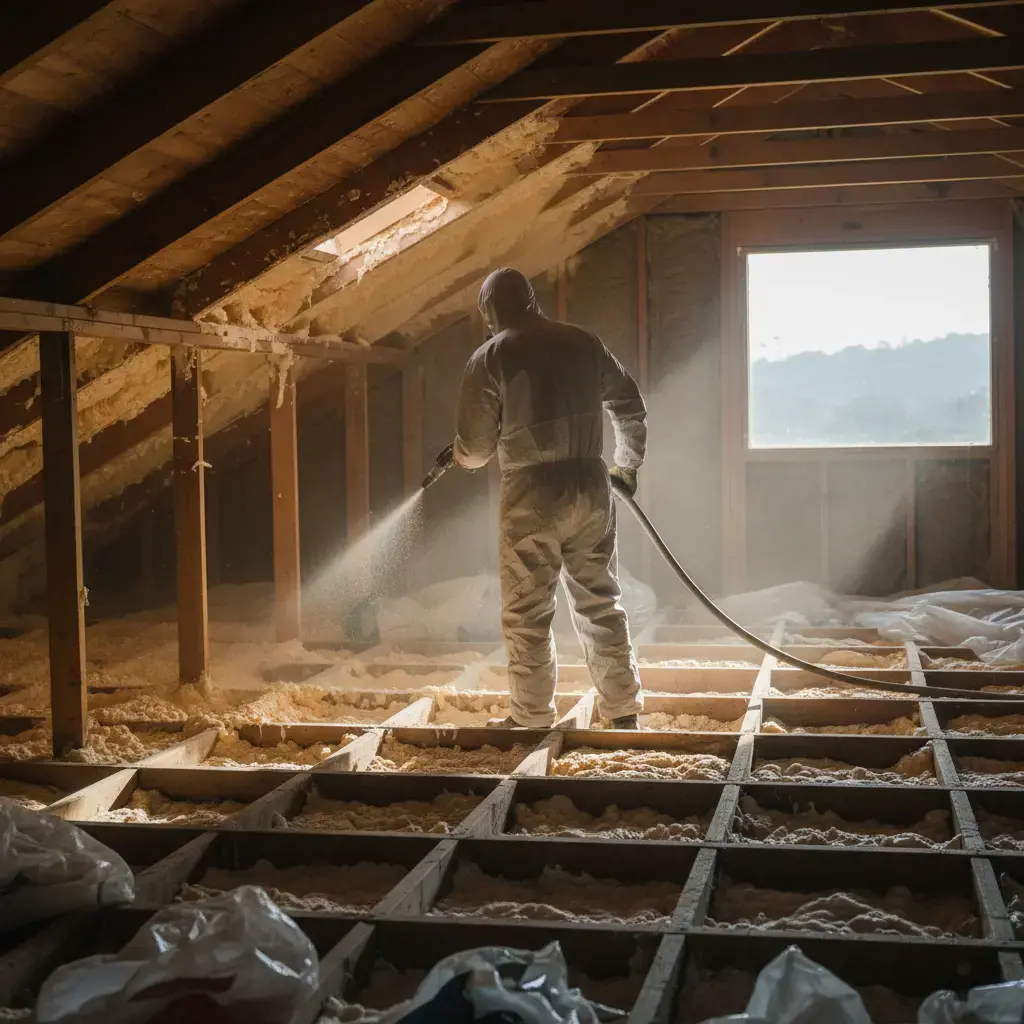
Crawl Space Encapsulation in Rolling Hills Estates, CA
Professional Crawl Space Encapsulation in Rolling Hills Estates, CA in Rolling Hills Estates, CA — Licensed, Insured & Locally Owned
Expert crawl space encapsulation in Rolling Hills Estates, CA. High Return Insulation seals moisture, mold & pests. Free estimates — call 310-496-8515 today.
Crawl space encapsulation is the process of sealing your home’s crawl space with a heavy-duty vapor barrier, insulation, and moisture-control systems to protect your foundation, improve indoor air quality, and boost energy efficiency. For homeowners in Rolling Hills Estates, CA, this service is not a luxury — it is a necessity shaped by the region’s coastal climate, clay-heavy soils, and hillside terrain.
Rolling Hills Estates sits on the Palos Verdes Peninsula, where ocean-driven humidity, seasonal fog, and shifting ground conditions create a uniquely challenging environment for under-home spaces. Moisture intrusion in crawl spaces here can accelerate wood rot, encourage mold growth, and compromise structural integrity faster than in many inland communities.
Read moreShow less
At High Return Insulation, our team provides professional crawl space encapsulation services tailored to the specific demands of Rolling Hills Estates homes. We understand the local building stock, soil conditions, and climate patterns — and we bring that expertise to every project. Call us today at 310-496-8515 to schedule your free assessment.
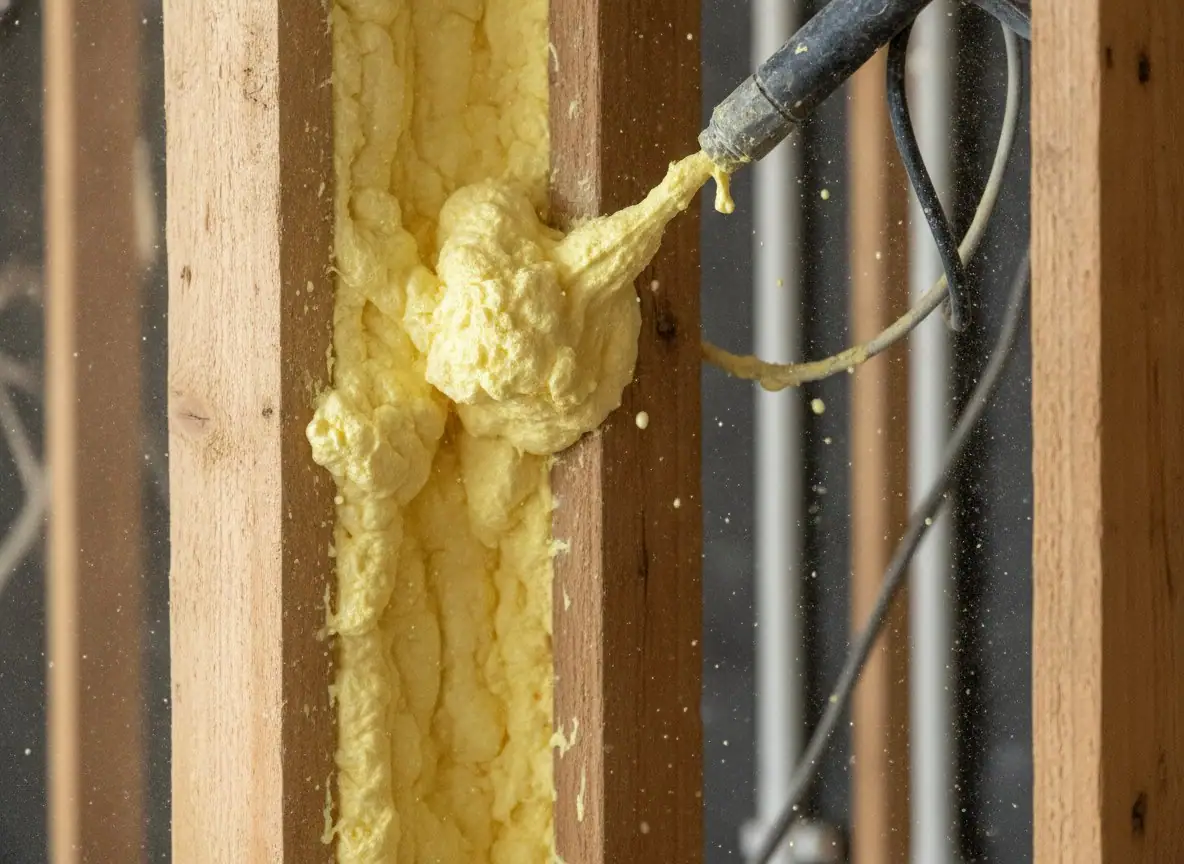
Understanding Crawl Space Encapsulation
Crawl space encapsulation is a comprehensive moisture management strategy that transforms an open, unprotected under-home space into a clean, sealed environment. Unlike simple vapor barriers of the past — which were thin polyethylene sheets laid loosely on dirt floors — modern encapsulation systems involve multi-layered 20-mil reinforced liners, sealed wall coverings, taped seams, and integrated drainage or dehumidification equipment.
The concept evolved significantly through the 1990s and 2000s as building scientists recognized that the traditional “vented crawl space” approach was flawed. The theory had been that outside air ventilation would dry out a crawl space. In practice, especially in coastal California communities, that outside air carries moisture — and when it contacts cooler surfaces beneath a home, it condenses and causes exactly the damage it was supposed to prevent.
Read moreShow less
In Rolling Hills Estates, a large portion of the residential housing stock was developed between the 1950s and 1980s, during the rapid suburban expansion of the Palos Verdes Peninsula. Many of these homes were built on raised foundations with open or minimally protected crawl spaces that reflect the construction standards of that era — standards that did not account for decades of moisture exposure, ground movement, or modern energy efficiency expectations.
Today’s encapsulation approach creates a conditioned or semi-conditioned crawl space by sealing the floor, walls, and piers with reinforced barriers, then managing residual humidity with a dehumidifier or connection to the home’s HVAC system. The result is a dry, clean space that protects floor joists and subflooring from decay, reduces the entry of soil gases like radon, and prevents conditioned air from escaping through the floor above.
Encapsulation is also closely related to crawl space insulation, which addresses the thermal performance of the space in addition to moisture control. Together, these services form a complete under-home performance system. At High Return Insulation, we offer both as part of a holistic approach to home comfort and structural protection in Rolling Hills Estates.
Why Crawl Space Encapsulation Is Needed in Rolling Hills Estates, CA
Coastal Humidity and Marine Layer Influence
The Palos Verdes Peninsula experiences a Mediterranean climate with a strong marine influence. Relative humidity in Rolling Hills Estates frequently ranges between 75% and 90% during morning hours from late spring through early fall, driven by the marine layer that rolls in off the Pacific Ocean. This persistent low-elevation moisture source means that any unprotected crawl space is being bathed in humid air for hundreds of hours per year. Wood moisture content in unprotected crawl spaces on the hill has been recorded above 19% — the threshold at which fungal wood decay becomes active.
Expansive Clay Soils
Much of the Palos Verdes Peninsula, including Rolling Hills Estates, is underlain by Altamira Shale and associated clay-bearing soils that are highly expansive when wet. The California Geological Survey has documented significant active landslide and soil movement zones throughout the peninsula, including portions of Rolling Hills Estates itself. These soils absorb water and swell, then shrink and crack as they dry — a cycle that pushes ground moisture upward and into crawl spaces. Homes along Palos Verdes Drive North and in the Portuguese Bend-adjacent areas are particularly susceptible to this seasonal soil movement and associated moisture migration.
Post-Storm Moisture Events
Southern California atmospheric river events have grown more intense. The storms of January and February 2023 delivered record rainfall across Los Angeles County, with the Palos Verdes Peninsula receiving over 12 inches in a six-week window. Many Rolling Hills Estates homeowners reported standing water or elevated crawl space moisture following these storms. Without encapsulation, that water had no barrier to prevent it from saturating soil, contacting wood framing, and promoting mold colonization within weeks.
Neighborhood-Specific Challenges
In established neighborhoods like Blackwater Canyon Road, Crenshaw Boulevard corridor homes, and the residential streets near Rolling Hills Country Club, mature landscaping and irrigation systems often saturate soil adjacent to foundations. In the lower-elevation sections near Western Avenue, runoff from uphill grading concentrates near older foundations. These site-specific conditions accelerate moisture entry into crawl spaces and demand a purpose-built encapsulation solution rather than standard ventilation approaches.
Impact on Home Energy Performance
A wet crawl space directly undermines insulation effectiveness. When fiberglass batts or other insulation materials in a crawl space absorb moisture, their R-value can drop by 40% or more. This means Rolling Hills Estates homeowners are paying for heating and cooling that is being lost through a compromised floor system — a problem that encapsulation solves by keeping the entire under-home environment dry and stable.
Free, no-obligation estimates
Talk to High Return Insulation
Tell us what you need and we’ll take it from there.
Signs You Need Crawl Space Encapsulation
Moisture and Water Indicators
- Visible condensation or standing water beneath the home after rain or morning marine layer events
- Efflorescence (white mineral deposits) on foundation walls or piers
- Damp or musty odors emanating from floor vents or lower rooms
- Rust on metal fasteners, HVAC components, or ductwork in the crawl space
Structural Warning Signs
- Soft, spongy, or bouncy floor surfaces — especially in kitchens, bathrooms, or along exterior walls
- Visible wood discoloration, dark staining, or gray-white mold growth on joists or subflooring
- Cracked or deteriorating floor insulation that has fallen from between joists
Indoor Air Quality and Comfort Clues
- Increased allergy symptoms, respiratory irritation, or unexplained musty smells indoors
- Cold floors during winter months despite adequate heating
- Higher than expected utility bills with no other explanation
Urgency Indicators
If you observe active mold colonies larger than 10 square feet, wood with a moisture reading above 19%, or any standing water following recent rainfall — these are urgent conditions requiring immediate professional evaluation. Delay allows damage to compound rapidly in Rolling Hills Estates’ moisture-favorable environment. Contact High Return Insulation at 310-496-8515 for same-week assessments.
Our process
Our Crawl Space Encapsulation Process
At High Return Insulation, we follow a structured, proven process adapted to the specific conditions found in Rolling Hills Estates homes. Here is what you can expect from start to finish:
- 01
Comprehensive Crawl Space Inspection (1–2 Hours)
Our technician performs a full visual and instrument-based inspection of your crawl space, measuring moisture levels in the air and in wood members, checking for mold, assessing existing insulation, identifying entry points for water and pests, and evaluating
- 02
Debris Removal and Crawl Space Preparation (2–4 Hours)
Existing failed insulation, debris, standing water, and contaminated materials are removed and disposed of properly. This step often connects directly to our insulation removal service for homes with deteriorated fiberglass batts.
- 03
Mold Treatment and Wood Treatment (1–2 Hours)
Any affected wood surfaces are treated with EPA-registered antimicrobial agents to eliminate active mold colonies and inhibit future growth. This step is especially important for older Rolling Hills Estates homes with decades of unprotected exposure.
- 04
Drainage and Water Management Setup (If Needed, 2–4 Hours)
For properties with active water intrusion — common near the lower Crenshaw corridor and hillside lots — we install perimeter drainage channels or sump pump systems before laying the barrier to ensure no water accumulates beneath the encapsulation liner.
- 05
Vapor Barrier Installation (4–8 Hours)
We install a minimum 20-mil reinforced polyethylene vapor barrier across the entire crawl space floor and up all foundation walls, overlapping seams by at least 12 inches and sealing all joints with specialized tape. All piers and columns are wrapped individua
- 06
Dehumidifier or Climate Control Installation (1–2 Hours)
A commercial-grade crawl space dehumidifier sized appropriately for your home’s square footage is installed and connected to a condensate drain. This is critical given Rolling Hills Estates’ consistent marine-layer humidity levels.
- 07
Final Inspection and Client Walkthrough (30–60 Minutes)
We perform a post-installation inspection, take final moisture readings, and walk you through your new encapsulation system including maintenance expectations. Total project timeline for a typical Rolling Hills Estates home ranges from one to two days.
Crawl Space Encapsulation Methods and Approaches
Full Encapsulation with Conditioned Air
The most comprehensive approach connects the crawl space to the home’s HVAC system or installs a dedicated supply vent, treating the space as a semi-conditioned zone. This method is best for Rolling Hills Estates homes with significant humidity challenges or where the home’s mechanical systems are located in the crawl space. It delivers the highest moisture control and the greatest energy efficiency improvement.
Full Encapsulation with Dedicated Dehumidifier
A heavy-duty crawl space dehumidifier is installed as the primary moisture control mechanism. This is the most common approach for Rolling Hills Estates installations because it provides consistent humidity control independent of the home’s HVAC operation — essential during the marine layer season when exterior humidity is high even when the home is not actively heating or cooling.
Partial Encapsulation with Enhanced Vapor Barrier
For budget-conscious homeowners or properties with mild moisture conditions, a heavy-duty ground barrier combined with improved vent management provides meaningful protection. This method is appropriate for newer Rolling Hills Estates homes with well-drained lots and minimal mold history, and can serve as a first phase toward full encapsulation.
Encapsulation with Integrated Pest Exclusion
Many Rolling Hills Estates crawl spaces show evidence of rodent activity. In these cases, we combine encapsulation with our rodent proofing service, sealing all entry points with galvanized hardware cloth and expanding foam before installing the vapor barrier. This prevents pests from compromising the new barrier and eliminates a major source of insulation damage.
Crawl Space Encapsulation Cost in Rolling Hills Estates, CA
Understanding the cost of crawl space encapsulation in Rolling Hills Estates helps homeowners plan effectively. Pricing varies based on crawl space size, existing conditions, and the specific system components required.
Typical Price Ranges
- Basic vapor barrier installation (partial encapsulation): $1,500 – $3,500 for a standard 1,000–1,500 sq ft crawl space
- Full encapsulation with 20-mil liner and sealed vents: $3,500 – $7,000 for a 1,500–2,500 sq ft crawl space
- Full encapsulation with dehumidifier: $5,000 – $10,000 depending on dehumidifier capacity and drainage requirements
- Full encapsulation with drainage system and sump pump: $7,000 – $15,000+ for properties with active water intrusion
Read moreShow less
Key Cost Factors
- Crawl space accessibility: Many Rolling Hills Estates homes have low-clearance or restricted access crawl spaces due to hillside grading, which increases labor time
- Pre-existing damage: Mold remediation, wood treatment, and debris removal add $500 – $2,500 depending on extent
- Existing insulation removal: Removing deteriorated fiberglass batts typically adds $1.00 – $2.50 per square foot
- Liner thickness: 12-mil, 16-mil, and 20-mil options carry different price points; we recommend 20-mil for all Peninsula properties
Rolling Hills Estates Pricing Context
Labor costs on the Palos Verdes Peninsula are approximately 15–20% higher than Los Angeles County averages due to access constraints and higher cost of living. Many Rolling Hills Estates homeowners find that encapsulation delivers a strong return through reduced heating and cooling costs — savings of $300 – $800 annually are common. Contact us for a free, no-obligation estimate tailored to your specific property.
Rolling Hills Estates Neighborhoods We Serve
Residential Streets Near Rolling Hills Country Club
Homes in this area were predominantly built in the 1960s and early 1970s on expansive hillside lots. Mature oak and eucalyptus landscaping combined with irrigation systems creates elevated soil moisture year-round. Many properties feature partial basements or unusually deep crawl spaces that require custom liner installation.
Palos Verdes Drive North Corridor
Properties along and near Palos Verdes Drive North include a mix of 1950s ranch-style homes and 1980s two-story residences. Proximity to lower elevation increases marine layer exposure, and some lots experience seasonal groundwater that makes drainage system integration a priority during encapsulation.
Crenshaw Boulevard Residential Area
This transitional zone between Rolling Hills Estates and neighboring Torrance features homes from the late 1970s and 1980s. Many have original vapor barriers that are degraded and in need of complete replacement. Rodent activity is also commonly reported in this area, making combined encapsulation and pest exclusion the preferred approach.
Eastfield and Upper Crest Road Areas
Elevated properties in these neighborhoods enjoy better drainage but are highly exposed to wind-driven Pacific moisture. Crawl space vent sealing is particularly important here, as prevailing southwest winds can drive humid air directly into unsealed vents during marine layer intrusion events.
Crawl Space Encapsulation Maintenance Tips for Rolling Hills Estates Homeowners
- Inspect your crawl space annually — ideally in late October before the rainy season begins, to identify any liner tears, pest intrusion, or water entry before winter storms arrive.
- Monitor your dehumidifier monthly — check that the condensate drain is flowing freely and that the unit is maintaining humidity below 55% relative humidity inside the crawl space.
- Check sealed vents after major wind events — Palos Verdes Peninsula windstorms can dislodge vent covers; inspect and reseal any compromised openings promptly.
- Redirect irrigation away from the foundation — ensure sprinkler heads are not directed at the home’s perimeter, particularly on the uphill side of any hillside lot.
- Inspect after atmospheric river rain events — following significant storms, visually inspect the crawl space access point and use a flashlight to check for any standing water or liner displacement.
- Keep access hatches sealed and rodent-proofed — ensure access door gaskets remain intact and that the hatch closes flush to prevent pest re-entry.
- Schedule a professional re-inspection every 3–5 years — to assess liner condition, confirm dehumidifier performance, and verify that soil movement has not created new entry points along foundation walls.
Why Choose High Return Insulation for Crawl Space Encapsulation in Rolling Hills Estates
High Return Insulation is a professional insulation contractor with deep experience serving the specific conditions found in Rolling Hills Estates and across the Palos Verdes Peninsula. We are not a generalist contractor applying a one-size approach — we understand the marine layer humidity cycles, the expansive Altamira clay soils, and the raised-foundation construction common to this community, and we design every encapsulation system around those realities.
Our team handles every phase of the project in-house, from initial moisture assessment through vapor barrier installation, dehumidification setup, and pest exclusion. We do not subcontract critical work. This means a single accountable team with consistent quality standards on your property from day one through project completion.
Read moreShow less
We offer a full range of complementary services — including attic insulation, spray foam insulation, blown-in insulation, attic cleaning, and rodent proofing — so homeowners can address their entire home envelope through one trusted provider. Our pricing is transparent, our assessments are free, and our technicians arrive on time.
Call 310-496-8515 today to schedule your free crawl space evaluation.
FAQ
Frequently Asked Questions About Crawl Space Encapsulation in Rolling Hills Estates, CA
How much does crawl space encapsulation cost in Rolling Hills Estates?
Costs typically range from $3,500 for a basic full encapsulation to $12,000 or more for systems that include dehumidification, drainage, and mold remediation. Rolling Hills Estates pricing runs 15–20% above Los Angeles County averages due to hillside access constraints and local labor rates. We provide free, detailed estimates tailored to your specific crawl space dimensions and conditions.
How long does the encapsulation process take?
Most Rolling Hills Estates residential crawl space encapsulation projects are completed in one to two days. More complex projects involving drainage installation, significant mold remediation, or very large crawl spaces may require three days. We provide a clear timeline before work begins.
Do I really need encapsulation in Southern California? It doesn’t rain that much.
This is one of the most common misconceptions for Peninsula homeowners. Rolling Hills Estates receives moisture from the Pacific marine layer almost daily during spring and summer — not just from rain. That sustained ambient humidity is sufficient to cause wood moisture content to rise above safe thresholds over time, particularly in unventilated crawl spaces beneath hillside homes. The 2023 atmospheric river events also demonstrated that when rain does come, it comes intensely.
How does crawl space encapsulation affect my energy bills?
By eliminating moisture from the crawl space, encapsulation restores the full R-value of floor insulation and reduces the load on your HVAC system. Rolling Hills Estates homeowners typically report annual energy savings of $300 – $800 depending on home size, existing insulation condition, and HVAC efficiency. The investment often pays back within 5–8 years through energy savings alone, not counting avoided structural repair costs.
What is the difference between a vapor barrier and full encapsulation?
A vapor barrier is typically a thinner (6-mil) polyethylene sheet laid on the crawl space floor. Full encapsulation uses a reinforced 20-mil liner that covers the floor, walls, and piers, seals all vents, and incorporates active moisture control like a dehumidifier. For Rolling Hills Estates conditions, we strongly recommend full encapsulation rather than a basic vapor barrier alone.
Will encapsulation help with the musty smell in my home?
Yes. Musty odors in Rolling Hills Estates homes almost always originate in the crawl space, where mold spores and damp wood off-gas into the living area through floor gaps, subfloor penetrations, and HVAC systems. Encapsulation eliminates the moisture source that sustains mold, combined with antimicrobial wood treatment, which resolves the odor problem at its root cause rather than masking it.
Can I combine crawl space encapsulation with insulation installation?
Absolutely — and we recommend it. After encapsulation dries and stabilizes the crawl space environment, installing new crawl space insulation between floor joists or on the foundation walls provides maximum thermal performance. High Return Insulation offers both services as a coordinated project for Rolling Hills Estates homeowners looking to address moisture and energy efficiency in one visit.
Does crawl space encapsulation help with pests?
Yes. A sealed crawl space eliminates the dark, moist, debris-filled environment that rodents, insects, and other pests find attractive. For Rolling Hills Estates properties with confirmed rodent history, we combine encapsulation with our dedicated rodent proofing service, which uses galvanized hardware cloth and sealed penetrations to physically exclude pests before the vapor barrier is installed.
Get Your Free Crawl Space Encapsulation Estimate in Rolling Hills Estates Today
Your home deserves protection against the moisture, hillside soils, and marine-layer humidity that define life on the Palos Verdes Peninsula. High Return Insulation provides professional crawl space encapsulation in Rolling Hills Estates, CA that is engineered for local conditions — not copied from a national template.
Whether you have noticed musty odors, cold floors, visible mold, or you simply want to protect your investment before problems develop, our team is ready to help. We offer free, no-obligation crawl space assessments with detailed written quotes, typically scheduled within the week.
Call us at 310-496-8515 to speak with a local specialist today, or reach out online to request your free inspection. Protect your home from the ground up — with High Return Insulation.
Get in touch
Find insulation help near you
Request a free estimate online or give us a call — our team will follow up quickly.
- Call us(310) 496-8515
- Visit28441 Highridge Rd, Rolling Hills Estates, CA 90274
- HoursMon-Sun 07:00-19:00