Insulation Removal in Rolling Hills Estates, CA
Energy-Saving Insulation Removal in Rolling Hills Estates, CA for Rolling Hills Estates, CA Homes — Licensed & Insured
Need insulation removal in Rolling Hills Estates, CA? High Return Insulation removes rodent-damaged, moldy & aging insulation. Call 310-496-8515 for a free estimate.
Insulation removal is the professional process of safely extracting deteriorated, contaminated, or outdated insulation materials from attics, crawl spaces, and wall cavities — restoring your home’s thermal efficiency and indoor air quality. For homeowners in Rolling Hills Estates, CA, this service is especially critical given the area’s unique microclimate, mature housing stock, and the region’s history with seismic activity, coastal humidity, and wildlife intrusion.
At High Return Insulation, we specialize in complete insulation removal services tailored specifically to homes throughout Rolling Hills Estates and the surrounding Palos Verdes Peninsula. Our team understands the construction styles, material histories, and environmental conditions that define homes in this community. Whether you’re dealing with damaged fiberglass batts, compacted blown-in cellulose, or rodent-contaminated attic insulation, we deliver clean, safe, and efficient removal that sets the foundation for a properly insulated home.
Understanding Insulation Removal
Insulation removal is more than simply pulling old material out of an attic. It is a systematic, safety-conscious process that involves assessing existing insulation conditions, containing contaminants, vacuuming or manually extracting materials, and preparing the space for new insulation installation. The goal is to eliminate any insulation that is no longer performing its thermal or acoustic function — or that poses a health risk to the home’s occupants.
Historically, American homes built between the 1940s and 1980s were insulated with a range of materials that are now known to be problematic. Vermiculite insulation, which was commonly used before 1990, has been linked to asbestos contamination. Fiberglass batts from that era often used formaldehyde-based binders. Blown-in cellulose, while generally safe, degrades significantly over time when exposed to moisture, losing its R-value and becoming a harbor for mold and pests.
Read moreShow less
Rolling Hills Estates was predominantly developed during the 1950s through the 1970s, with a significant number of ranch-style and split-level homes constructed during this peak era of residential expansion on the Palos Verdes Peninsula. Many of these properties still contain their original insulation — now 50 to 70 years old — that has long since outlived its functional lifespan. The original builders of these homes could not have anticipated the modern understanding of building science, energy efficiency requirements under California Title 24, or the health implications of degraded insulation materials.
In addition, the hilly terrain of Rolling Hills Estates means that many homes feature unique architectural configurations — vaulted ceilings, crawl spaces over steep slopes, and multi-level attic spaces — that complicate both the original installation and any subsequent removal process. Understanding these architectural nuances is essential to executing a clean, thorough removal that leaves no contaminated material behind.
Insulation removal is also frequently required following rodent infestations, water intrusion events, mold discoveries, or pre-sale home inspections. In each of these scenarios, leaving old insulation in place is not a viable option — it must be professionally removed before any remediation or reinstallation can occur.
Signs You Need Insulation Removal
Energy and Comfort Indicators
- Unexplained increases in heating or cooling bills of 15% or more year-over-year
- Rooms that are difficult to heat or cool consistently, particularly upper-floor bedrooms
- HVAC system running continuously without reaching set temperature
- Drafts or cold spots near exterior walls and ceilings during winter months
Visual and Physical Warning Signs
- Visible rodent droppings, nesting debris, or urine staining in attic insulation
- Discolored, flattened, or water-stained insulation batts
- Musty or ammonia-like odors emanating from attic hatches or vent registers
- Visible mold growth on attic decking, rafters, or insulation surfaces
Health-Related Warning Signs
- Household members experiencing persistent allergy symptoms or respiratory irritation indoors
- Worsening asthma symptoms that do not respond to standard treatment
- Musty smell intensifying during warmer months as attic temperatures rise
Urgency Indicators
If you observe active rodent activity, confirmed mold growth, or visible water damage to insulation, removal should be treated as urgent — not a future project. Delayed action allows contamination to spread and structural damage to worsen.
Free, no-obligation estimates
Talk to High Return Insulation
Tell us what you need and we’ll take it from there.
Our process
Our Insulation Removal Process in Rolling Hills Estates
- 01
Initial Inspection and Assessment (1–2 Hours)
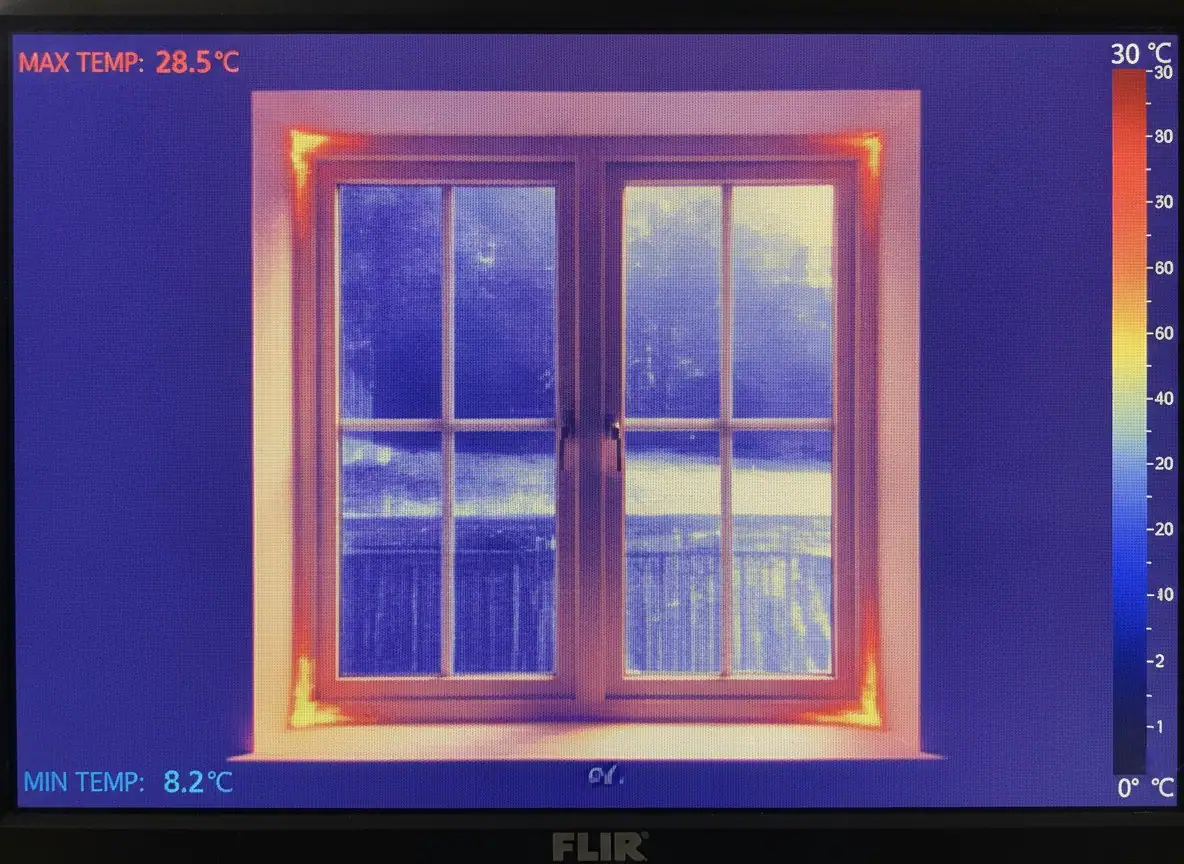
Our technician performs a thorough attic and crawl space inspection, documenting existing insulation type, depth, condition, and coverage. We use thermal imaging cameras when warranted to identify moisture intrusion zones and thermal bridging. We also assess f
- 02
Containment Setup (30–60 Minutes)
Before any material is disturbed, we seal attic access points with negative-pressure containment barriers to prevent particulate from entering living areas. This is especially important in Rolling Hills Estates homes with open-concept designs and recessed ligh
- 03
HEPA Vacuum Removal of Blown-In Insulation (2–6 Hours)
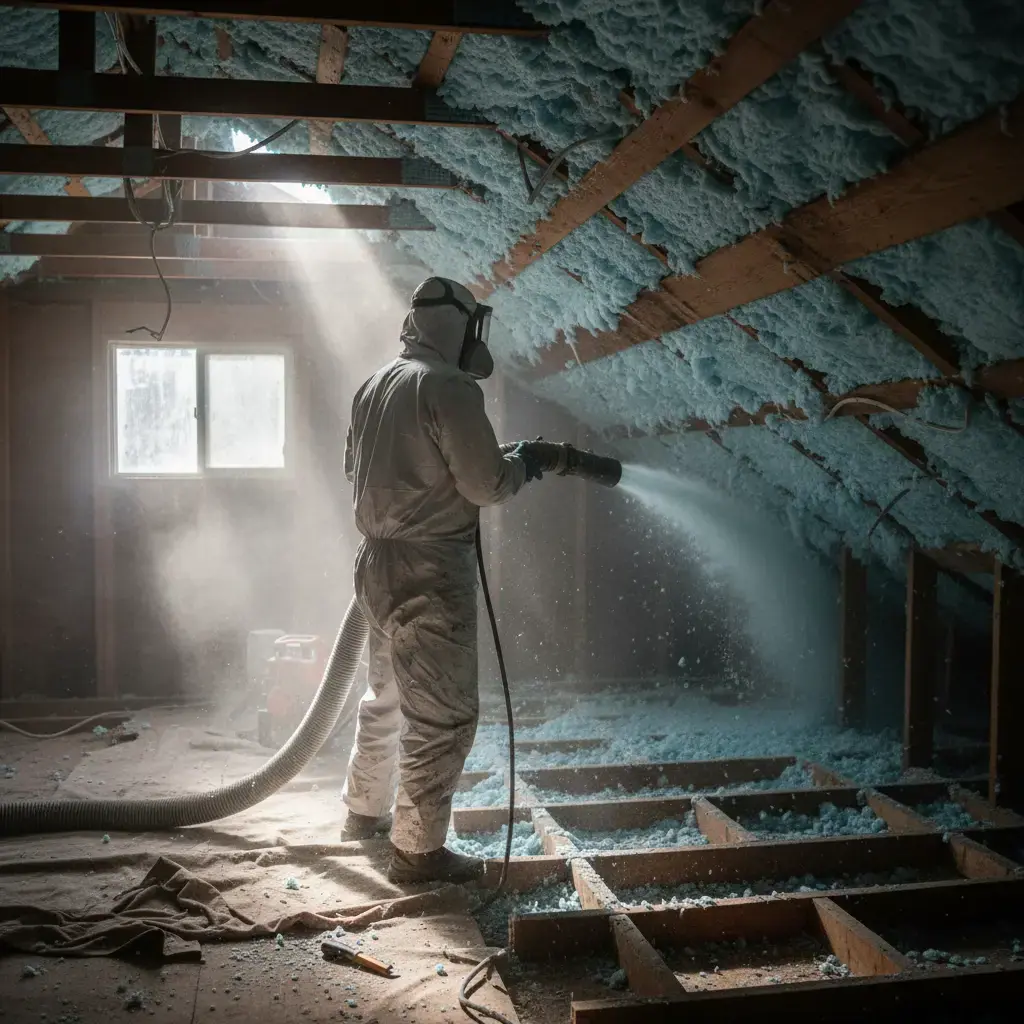
Using commercial-grade HEPA vacuum systems with extended reach hoses, we extract all loose-fill cellulose or fiberglass insulation. Our equipment is sized to handle the full attic volumes typical of ranch and split-level homes on the Peninsula, including awkwa
- 04
Manual Removal of Batt Insulation (1–3 Hours)
Fiberglass or mineral wool batts are manually extracted, bagged in sealed disposal bags, and removed from the property. We pay particular attention to ensuring no fragments remain in joist bays or around mechanical penetrations.
- 05
Surface Cleaning and Sanitization (1–2 Hours)
All attic surfaces — decking, rafters, and top plates — are cleaned of residual debris and treated with EPA-registered antimicrobial sanitizers where rodent or mold contamination is present. This step is non-negotiable in Rolling Hills Estates properties with
- 06
Disposal and Documentation (30 Minutes)
All removed material is transported to an approved disposal facility in compliance with Los Angeles County waste management regulations. We provide written documentation of materials removed, which is valuable for real estate disclosure purposes and permit app
- 07
Final Inspection and Reinstallation Readiness Review (30 Minutes)
We conduct a post-removal walkthrough, confirming the space is clean, dry, and ready for new insulation installation. We provide a written recommendation for the appropriate insulation type and R-value for your specific home configuration.
Insulation Removal Methods We Use
Pneumatic Vacuum Extraction
The most common method for removing loose-fill blown-in insulation — cellulose, fiberglass, or vermiculite — pneumatic vacuum extraction uses high-powered industrial vacuums to pull material from attic cavities into sealed collection bags outside the home. This method is ideal for the large, open attic spaces found in Ranch-style homes throughout Rolling Hills Estates and minimizes airborne particulate dispersal.
Manual Batt Removal
Fiberglass or mineral wool batts are carefully hand-pulled from joist bays, rolled, and bagged. This method is used where vacuuming is impractical — particularly in tightly framed crawl spaces beneath the sloped lots common in Rolling Hills Estates, where crawl space clearances can be as low as 18 inches.
Wet Removal for Contaminated Material
In cases where insulation is heavily saturated with rodent urine or presents a high dust hazard, we apply a light misting of encapsulant prior to manual removal to suppress airborne particulate. This specialized approach is standard practice for contaminated attic insulation in wildlife-adjacent communities like Rolling Hills Estates.
Selective Partial Removal
In some cases — such as when only a portion of the attic has been affected by water intrusion or rodent activity — selective removal of compromised sections allows the homeowner to preserve undamaged insulation while addressing the problem areas. This targeted approach is assessed on a case-by-case basis during our initial inspection.
Crawl Space Removal
For homes with crawl spaces — common in the hillside lots of Rolling Hills Estates — we perform specialized below-floor insulation removal, including vapor barrier extraction and replacement, addressing the unique moisture conditions present in coastal hillside subfloor environments. Learn more about our Crawl Space Insulation services
Insulation Removal Cost in Rolling Hills Estates, CA
Understanding the cost of insulation removal helps Rolling Hills Estates homeowners budget appropriately and avoid underestimating project scope. Below are typical price ranges based on our experience serving homes on the Palos Verdes Peninsula.
Typical Price Ranges
- Standard Attic Insulation Removal (1,000–1,500 sq ft attic): $800 – $1,500
- Large Attic Removal (1,500–2,500 sq ft attic): $1,500 – $2,800
- Crawl Space Insulation Removal: $600 – $1,400 depending on access and square footage
- Rodent-Contaminated Insulation Removal (with sanitization): $1,200 – $3,500
- Combined Removal and Attic Cleaning Package: $1,500 – $4,000
Factors That Affect Cost in Rolling Hills Estates
- Attic Accessibility: Many Rolling Hills Estates homes have low-pitch rooflines or restricted attic access points that require additional labor time.
- Contamination Level: Rodent-infested or mold-contaminated insulation requires additional containment, PPE, and sanitization, adding $300 – $800 to base removal costs.
- Insulation Type: Blown-in cellulose is faster to vacuum than compacted or moisture-damaged fiberglass batts adhered to decking.
- Asbestos Testing: Pre-1980 Rolling Hills Estates homes may require third-party asbestos testing at $200 – $400 before removal can proceed.
- Disposal Fees: Los Angeles County disposal fees for large volumes of removed insulation average $150 – $300 per load.
Call 310-496-8515 for a no-obligation cost estimate specific to your property. View all Insulation Removal services
Neighborhoods We Serve in Rolling Hills Estates
Clearview Estates
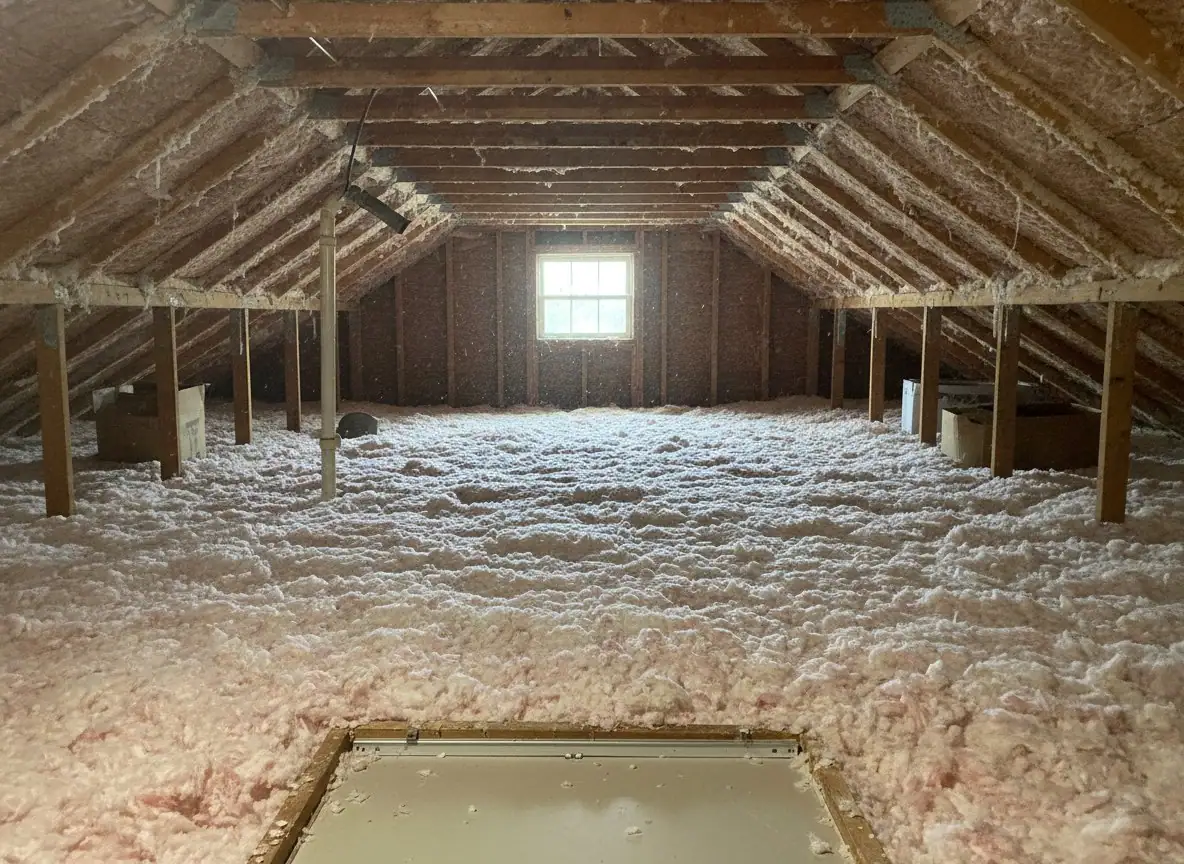
Predominantly developed in the late 1950s and early 1960s, Clearview Estates features large ranch-style homes with expansive attic footprints. Many properties in this neighborhood still contain original blown-in cellulose insulation that has compacted to less than half its original depth — a common finding during our assessments here.
Via Valmonte
One of Rolling Hills Estates’ earliest residential communities, Via Valmonte includes homes dating to the 1940s and 1950s. These older properties frequently require both attic and wall cavity insulation removal, with some homes revealing vermiculite or early fiberglass batt installations that require careful pre-testing before removal.
Palos Verdes Drive North Corridor
Homes along this corridor, built primarily in the 1970s, feature split-level designs with complex attic configurations. The multi-level nature of these attics creates challenges for thorough insulation removal that our specialized equipment and training are specifically designed to address.
Sunnyside Ridge Area
This hillside neighborhood features homes with steep-slope crawl spaces and vented underfloor assemblies particularly vulnerable to coastal moisture intrusion. Crawl space insulation removal and vapor barrier replacement are frequent service requests from this area. Learn about our Attic Cleaning services
Insulation Maintenance Tips for Rolling Hills Estates Homeowners
- Schedule Annual Attic Inspections: Given the Peninsula’s marine layer humidity and wildlife pressure, inspect your attic every 12 months for signs of moisture intrusion or pest activity before problems escalate.
- Seal Roof Penetrations Each Fall: Before the rainy season (typically November through March in Rolling Hills Estates), inspect and re-seal all attic roof penetrations, vents, and soffit gaps that could allow water or rodent entry.
- Install Rodent Exclusion Barriers: Professional rodent proofing — including wire mesh over vents and sealed pipe penetrations — dramatically reduces the risk of contamination that necessitates future removal. Learn about our Rodent Proofing services
- Monitor Attic Humidity: Install a wireless humidity sensor in your attic space. Sustained readings above 70% relative humidity indicate a ventilation problem that will accelerate insulation degradation.
- Address Roof Leaks Immediately: Even minor roof leaks can saturate blown-in insulation within hours. In Rolling Hills Estates, where winter storms can deliver 2–4 inches of rain in 24-hour periods, prompt leak response protects your insulation investment.
- Check Insulation After Significant Seismic Events: After any earthquake of magnitude 4.0 or greater felt in Rolling Hills Estates, have your attic inspected for shifted insulation coverage.
- Keep Attic Ventilation Clear: Ensure soffit and ridge vents remain unobstructed to maintain the airflow that prevents the moisture buildup that degrades insulation on the Peninsula.
Why Choose High Return Insulation for Removal in Rolling Hills Estates
High Return Insulation is a professional insulation contractor with deep roots in the Rolling Hills Estates community and a comprehensive understanding of the unique challenges that Palos Verdes Peninsula homes present. We are not a general contractor offering insulation as an add-on service — insulation removal and installation is our specialty, and every technician on our team is trained specifically in the materials, methods, and conditions relevant to this region.
We bring commercial-grade HEPA vacuum equipment to every residential job, ensuring that removal is thorough and that your home’s air quality is protected during the process. Our familiarity with the housing stock of Rolling Hills Estates — from 1940s Via Valmonte cottages to 1970s split-level homes near Palos Verdes Drive North — means we arrive prepared for the architectural realities of your specific property.
Read moreShow less
We provide written assessments, documented disposal records, and a clear project scope before any work begins. Our pricing is transparent, and we do not upsell services your home does not need. For insulation removal in Rolling Hills Estates, call us at 310-496-8515. Explore our Attic Insulation installation services
FAQ
Frequently Asked Questions About Insulation Removal in Rolling Hills Estates
How much does insulation removal cost in Rolling Hills Estates, CA?
Insulation removal in Rolling Hills Estates typically costs between $800 and $3,500 for most residential attic projects, depending on attic size, insulation type, and contamination level. Rodent-contaminated attics with required sanitization fall in the higher range. Call 310-496-8515 for a specific estimate for your property.
How long does insulation removal take?
For a standard single-family home attic in Rolling Hills Estates (1,200 to 2,000 sq ft of attic space), removal typically takes 4 to 8 hours in a single day. Larger homes or those with significant contamination may require two days. We will provide a specific timeline during your initial assessment.
Do I need to test for asbestos before removing insulation in my Rolling Hills Estates home?
If your home was built before 1980, asbestos testing is strongly recommended before any insulation removal. Vermiculite insulation — used in some homes of that era — has been associated with asbestos contamination. We can identify visual risk indicators during inspection and refer you to a certified asbestos testing laboratory if warranted.
Can I stay in my home during insulation removal?
In most cases, yes. Our containment protocols are designed to keep work areas isolated from living spaces. However, for heavily contaminated attics with mold or significant rodent infestations, we may recommend that sensitive household members — particularly those with respiratory conditions or young children — vacate during the removal process as a precaution.
Why is rodent-contaminated insulation so common in Rolling Hills Estates?
Rolling Hills Estates borders open space preserves including the Portuguese Bend Reserve and multiple canyon systems that provide habitat for roof rats, opossums, and squirrels. These animals routinely enter attics through gaps in soffits, roof junctions, and utility penetrations. Because the housing stock here is older (1950s–1970s), original construction gaps that would have been sealed in newer homes provide abundant entry points. Our Rodent Proofing service addresses these entry points permanently
What happens after insulation is removed — do I need to install new insulation immediately?
We recommend scheduling new insulation installation as promptly as possible after removal, ideally within 1 to 2 weeks. An uninsulated attic in Rolling Hills Estates’ coastal climate will experience rapid heat gain in summer and heat loss in winter, and an open attic assembly is vulnerable to additional moisture intrusion during any rainfall. Learn about our Blown-In Insulation replacement options
Does High Return Insulation serve all of Rolling Hills Estates?
Yes. We serve all neighborhoods within Rolling Hills Estates, including Clearview Estates, Via Valmonte, the Palos Verdes Drive North corridor, and the Sunnyside Ridge area. We are also available to homeowners in adjacent communities throughout the Palos Verdes Peninsula.
Will insulation removal help with my energy bills?
Removing degraded insulation and replacing it with modern materials rated to California Title 24 standards (R-38 minimum for attics in Climate Zone 8) can reduce HVAC energy consumption by 20 to 40% in older Rolling Hills Estates homes where original insulation has lost significant R-value. The combination of removal and quality reinstallation is one of the highest-return home improvement investments available in this market.
Schedule Your Insulation Removal in Rolling Hills Estates Today
Whether you’re dealing with rodent-contaminated insulation, decades-old degraded material, or preparing your Rolling Hills Estates home for an energy efficiency upgrade, High Return Insulation is ready to help. Our team brings the local knowledge, professional equipment, and thorough processes needed to handle insulation removal the right way — protecting your home, your family’s health, and your investment.
Do not wait for the problem to worsen. Contaminated or failing insulation only becomes more expensive and hazardous with time. Contact us today for a professional assessment and transparent written estimate.
Call High Return Insulation now at 310-496-8515. We serve all of Rolling Hills Estates, CA and the surrounding Palos Verdes Peninsula. Request a Free Insulation Removal Estimate Online
Get in touch
Find insulation help near you
Request a free estimate online or give us a call — our team will follow up quickly.
- Call us(310) 496-8515
- Visit28441 Highridge Rd, Rolling Hills Estates, CA 90274
- HoursMon-Sun 07:00-19:00