Insulation Materials & Types in Rolling Hills Estates, CA
Energy-Saving Insulation Materials & Types in Rolling Hills Estates for Rolling Hills Estates, CA Homes — Licensed & Insured
Compare insulation materials for Rolling Hills Estates homes — R-values, costs, climate fit & wildfire considerations. Free assessment. Call 310-496-8515.
Choosing the right insulation material for your Rolling Hills Estates home is more than a comfort decision — it’s a smart investment shaped by the unique demands of this coastal Southern California community. Perched on the Palos Verdes Peninsula, Rolling Hills Estates experiences warm, dry summers with temperatures regularly climbing into the high 80s, mild but occasionally damp winters influenced by marine layer moisture, and persistent coastal air that can accelerate material degradation over time. Homes here also sit in a designated wildfire risk zone, making fire-resistant insulation materials an important consideration.
R-value measures an insulation material’s resistance to heat flow — the higher the number, the better the thermal performance. In Rolling Hills Estates’s Climate Zone 7, California’s Title 24 building code sets specific R-value minimums for attics, walls, and floors that every homeowner should understand before making any upgrade decisions.
Read moreShow less
This guide covers every major insulation material available to Rolling Hills Estates homeowners, including R-value ranges, climate-specific pros and cons, ideal applications, and cost expectations — so you can make a fully informed choice.
Understanding Insulation Types for Rolling Hills Estates Homes
Rolling Hills Estates homeowners have access to a broad range of insulation materials, each engineered with different performance characteristics. The major categories include spray foam, blown-in loose-fill, fiberglass batts, mineral wool, cellulose, and rigid foam board. No single material is universally best — the right choice depends on where it’s being installed, the age and construction type of the home, and the specific climate pressures the building faces.
Much of the housing stock in Rolling Hills Estates consists of single-family ranch-style and split-level homes built primarily between the 1950s and 1980s. These older structures frequently have under-insulated attics, minimal wall cavity insulation, and vented crawl spaces that allow conditioned air to escape. Bringing these homes up to modern California Title 24 standards — which govern new construction and major renovations — requires a thoughtful material selection strategy.
Read moreShow less
Rolling Hills Estates falls within California Climate Zone 7, which calls for a minimum R-38 in attics and R-13 in exterior walls for new construction. However, many energy consultants recommend exceeding these minimums given the area’s summer heat loads and wildfire exposure. Material selection is also influenced by moisture resistance, since coastal humidity and morning marine layer can affect long-term insulation performance. Understanding these local variables is the foundation of any smart insulation upgrade.
How Rolling Hills Estates’s Climate Affects Your Insulation Material Choice
Rolling Hills Estates sits at elevations ranging from roughly 400 to over 1,200 feet on the Palos Verdes Peninsula, creating microclimates that vary significantly across the community. Summer afternoons can bring sustained heat loads that push attic temperatures above 140°F, while coastal fog and the marine layer introduce consistent humidity — particularly in the mornings and through the winter months. These conditions create a dual challenge: managing heat gain and managing moisture infiltration simultaneously.
For attic spaces, the priority is achieving high R-values (R-38 minimum, R-49 or higher recommended) combined with comprehensive air sealing. Spray foam on the roof deck or a combination of blown-in insulation with attic air sealing both perform well here. In wall cavities of older Rolling Hills Estates homes, dense-pack cellulose or mineral wool batts provide good retrofit performance without requiring full wall demolition.
Read moreShow less
Wildfire risk is a tangible factor throughout the Palos Verdes Peninsula. Mineral wool and closed-cell spray foam offer superior fire-resistance characteristics compared to standard fiberglass batts and should be seriously considered for exterior walls and attic assemblies. For crawl spaces, closed-cell spray foam or XPS rigid board with proper vapor barriers addresses both the moisture and thermal challenges present in this coastal environment.
New construction and major renovations must comply with California Title 24 energy standards, which may qualify for utility rebates through Southern California Edison and SoCalGas. Matching insulation material to your specific application — attic, walls, crawl space — and accounting for the home’s age and construction type ensures you maximize performance and return on investment.
Free, no-obligation estimates
Talk to High Return Insulation
Tell us what you need and we’ll take it from there.
Insulation Materials Available in Rolling Hills Estates, CA
Spray Foam Insulation
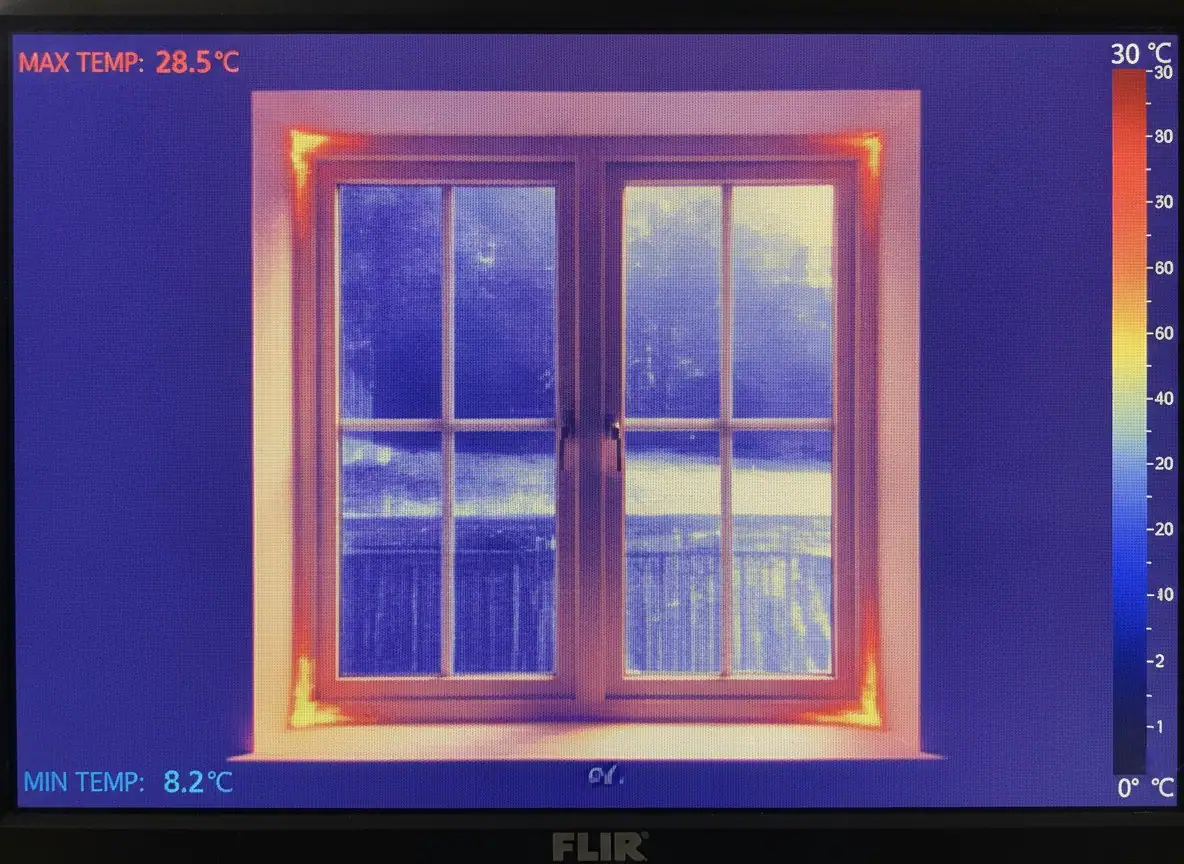
Spray polyurethane foam (SPF) comes in open-cell and closed-cell formulations. Closed-cell spray foam delivers R-values of R-6 to R-7 per inch, while open-cell ranges from R-3.5 to R-4 per inch. In Rolling Hills Estates, closed-cell spray foam excels because it creates an air and moisture barrier in one application — critical in a coastal environment where salt-laden humid air can infiltrate building envelopes. Its fire-resistance properties also align well with the area’s wildfire risk designation. Best applications include attic roof decks, crawl spaces, rim joists, and exterior wall cavities. The primary drawback is cost: expect $2.00–$4.50 per square foot installed for open-cell and $3.50–$7.00 for closed-cell. Despite the higher upfront investment, the dramatic reduction in air infiltration often produces the fastest energy-savings payback of any insulation material.
Blown-In (Loose-Fill) Insulation
Blown-in insulation — typically fiberglass or cellulose — is machine-installed as loose particles that conform to irregular spaces. R-values range from R-2.2 to R-3.8 per inch depending on material density. For Rolling Hills Estates attics, blown-in installation is one of the most cost-effective ways to reach or exceed the Title 24 R-38 minimum. It covers joists, beams, and odd-shaped cavities that batts cannot fully seal. Blown-in fiberglass resists moisture and settling better than cellulose in coastal climates, while blown-in cellulose offers superior fire resistance. Cost typically runs $1.50–$3.50 per square foot installed. The main limitation is that loose-fill does not create an air barrier on its own, so pairing it with proper attic air sealing is strongly recommended for Rolling Hills Estates homes where marine layer infiltration is a real concern.
Fiberglass Batt Insulation
Fiberglass batts are pre-cut panels of spun glass fibers, available in faced and unfaced versions. Standard batts achieve R-11 to R-38 depending on thickness. They are among the most widely recognized insulation products and remain a common choice for wall cavities and floor systems in Rolling Hills Estates homes undergoing renovation. Installation cost runs $0.50–$1.50 per square foot, making batts the most budget-friendly option upfront. However, their performance is heavily dependent on proper installation — gaps, compression, or moisture exposure can significantly reduce real-world R-value. In coastal Rolling Hills Estates, vapor management during installation is important. Batts are best suited for standard-width wall cavities, attic floors, and floors over garages in homes where air sealing has already been addressed separately.
Mineral Wool / Rockwool Insulation
Mineral wool (also marketed as Rockwool or slag wool) is manufactured from volcanic rock or industrial slag spun into dense fiber batts or boards. It delivers R-3.0 to R-4.3 per inch and is naturally fire-resistant up to 1,400°F — a major advantage for Rolling Hills Estates homes in the Very High Fire Hazard Severity Zone. Mineral wool is also inherently moisture-resistant and dimensionally stable, meaning it won’t compress or sag over time like standard fiberglass. It provides notable soundproofing benefits as well. Cost ranges from $1.00–$2.50 per square foot installed. Best applications include exterior walls, attic knee walls, garage ceilings, and any area where fire performance is a priority. The denser composition makes cutting and fitting slightly more labor-intensive than standard fiberglass batts.
Cellulose Insulation
Cellulose is made from recycled paper products treated with fire-retardant chemicals, achieving R-3.2 to R-3.8 per inch. It is one of the most environmentally sustainable insulation options and offers excellent coverage in existing wall cavities through dense-pack installation — an ideal approach for Rolling Hills Estates’s older ranch-style homes where opening walls is undesirable. Cellulose’s fire-retardant treatment and dense packing reduce air movement effectively. The key concern in coastal climates is moisture absorption: if cellulose becomes wet and cannot dry out, it can settle, lose R-value, and potentially foster mold growth. Proper vapor management and a dry installation environment are critical. Installed cost typically falls between $1.00–$2.50 per square foot. Best applications include attic floors (blown-in) and existing wall cavities (dense-pack retrofit).
Foam Board (Rigid) Insulation
Rigid foam boards — including EPS (expanded polystyrene), XPS (extruded polystyrene), and polyisocyanurate — deliver R-3.8 to R-6.5 per inch in a thin, rigid panel format. This high R-value per inch makes foam board particularly useful where space is limited, such as exterior wall sheathing, basement walls, or under-slab applications. In Rolling Hills Estates, polyiso and XPS boards are often used during re-roofing projects to add continuous insulation above the roof deck, improving thermal performance without consuming interior space. XPS offers excellent moisture resistance, making it well-suited for crawl spaces and below-grade applications in coastal environments. Cost ranges from $1.00–$3.00 per square foot for materials, with installation adding $0.75–$2.00 more. Foam board requires a thermal barrier (drywall) in occupied spaces due to fire code requirements.
Why Rolling Hills Estates Homeowners Trust High Return Insulation for Insulation
High Return Insulation brings hands-on expertise and genuine local knowledge to every insulation project in Rolling Hills Estates. Here’s what sets our team apart:
Expertise Across All Insulation Types:
Expertise Across All Insulation Types:Our installers are trained and experienced with spray foam, blown-in, fiberglass, mineral wool, cellulose, and rigid foam board — we recommend the right material for your specific home and situation, not just the most expensive option.
Licensed and Insured:
Licensed and Insured:High Return Insulation is fully licensed with the California Contractors State License Board and carries comprehensive liability and workers’ compensation insurance for your complete protection.
Manufacturer-Certified Installation:
Manufacturer-Certified Installation:We hold manufacturer certifications that ensure installations meet product specifications, protect warranty coverage, and deliver the R-values you’re paying for.
Free Insulation Assessment:
Free Insulation Assessment:Every project starts with a no-cost, no-obligation assessment of your home’s current insulation condition, identifying gaps and opportunities before any work begins.
Warranty Coverage:
Warranty Coverage:Our work is backed by both manufacturer product warranties and a workmanship guarantee, giving Rolling Hills Estates homeowners long-term peace of mind.
Local Energy Code and Rebate Knowledge:
Local Energy Code and Rebate Knowledge:We stay current on California Title 24 requirements, Southern California Edison incentive programs, and available federal tax credits so you capture every dollar of savings available to you.
FAQ
Insulation Materials FAQ for Rolling Hills Estates Homeowners
What is the best insulation type for Rolling Hills Estates’s climate?
There is no single “best” material — it depends on the application. For attics, a combination of thorough air sealing and blown-in insulation (fiberglass or cellulose) to R-49 is highly effective and cost-efficient. For wall cavities, mineral wool or dense-pack cellulose work well, especially given the coastal moisture and wildfire risk factors present in Rolling Hills Estates. For crawl spaces, closed-cell spray foam or XPS rigid board with a vapor barrier is the most durable solution. Many Rolling Hills Estates homes benefit most from a hybrid approach that uses different materials in different zones.
What R-value does California recommend for Rolling Hills Estates homes?
Rolling Hills Estates falls within California Climate Zone 7. Title 24 mandates a minimum of R-38 in attics and R-13 in exterior walls for new construction and qualifying renovations. However, energy consultants typically recommend R-49 to R-60 in attics to account for the intense summer heat loads that can push attic temperatures well above 130°F. For walls, R-20 or higher improves performance meaningfully in this climate. Floor insulation over unconditioned spaces should reach at least R-19, with R-30 recommended for maximum performance.
How do insulation material costs compare in Rolling Hills Estates?
Fiberglass batts are the least expensive at roughly $0.50–$1.50 per square foot installed, making them popular for straightforward new-construction wall applications. Blown-in insulation runs $1.50–$3.50 per square foot and offers excellent value for attic upgrades. Cellulose falls in a similar range at $1.00–$2.50. Mineral wool costs $1.00–$2.50 per square foot installed. Rigid foam board ranges from $1.75–$5.00 installed depending on type. Spray foam is the most expensive option at $2.00–$7.00 per square foot, but often delivers the highest long-term energy savings due to its combined insulating and air-sealing properties.
Is attic insulation different from wall insulation in Rolling Hills Estates?
Yes, in important ways. Attics experience far greater temperature extremes — often exceeding 130–140°F in summer — and require higher R-values to manage that heat load. Blown-in insulation is generally preferred for attics because it covers irregular framing and achieves depth easily. Wall cavities operate under different conditions: moderate temperature differentials but greater exposure to coastal humidity and potential moisture infiltration. Wall applications often benefit from vapor-resistant materials like mineral wool or closed-cell spray foam. Air sealing priorities also differ — attic bypasses are a major source of energy loss, while wall performance depends heavily on continuous coverage without gaps.
How much can better insulation reduce energy bills in Rolling Hills Estates?
Homes with inadequate insulation in Rolling Hills Estates can lose 25–40% of their conditioned air through the building envelope. Upgrading attic insulation from R-11 to R-49, combined with comprehensive air sealing, can reduce heating and cooling costs by 15–30% annually according to Department of Energy estimates. In Southern California, where air conditioning runs for extended periods, homeowners frequently report monthly savings of $50–$150 or more depending on home size and prior insulation condition. The exact savings vary by home, HVAC system efficiency, thermostat habits, and the specific materials installed.
Are there rebates or tax credits available for insulation in California?
Yes. Rolling Hills Estates homeowners may qualify for multiple financial incentives. Southern California Edison and SoCalGas both offer rebates for qualifying insulation upgrades through their energy efficiency programs. The federal Inflation Reduction Act provides a tax credit of up to 30% of insulation material costs (up to $1,200 per year) for existing homes through the Energy Efficient Home Improvement Credit (25C). California’s TECH Clean California program and CHEERS certification pathways offer additional incentives for comprehensive energy upgrades. Eligibility requirements and rebate amounts change periodically, so confirming current program details before starting your project is recommended.
Does insulation help with wildfire protection in Rolling Hills Estates?
Insulation material choice can play a supporting role in fire resilience, though it is not a substitute for comprehensive wildfire hardening of the home. Mineral wool (Rockwool) is naturally non-combustible and can withstand temperatures up to 1,400°F, making it a strong choice for exterior walls and attic assemblies in Rolling Hills Estates’s Very High Fire Hazard Severity Zone. Closed-cell spray foam, once cured, also has relatively favorable fire-resistance properties compared to open-cell foam or standard fiberglass. For homeowners in high-risk areas, combining fire-resistant insulation with proper venting screens, ember-resistant attic vents, and other CalFire-recommended hardening measures provides the most comprehensive protection.
Do I need a permit to upgrade insulation in Rolling Hills Estates?
In most cases, adding insulation to an existing home — such as blowing additional insulation into an attic or dense-packing wall cavities — does not require a permit in Rolling Hills Estates. However, more substantial work involving changes to the building envelope, spray foam on the roof deck, or insulation tied to a larger remodeling project may trigger permit requirements under the City of Rolling Hills Estates building department guidelines. Any insulation work subject to California Title 24 compliance — typically part of a building permit — requires documentation of the materials installed. High Return Insulation handles all permit coordination and compliance documentation on qualifying projects.
Get a Free Insulation Assessment in Rolling Hills Estates
Not sure which insulation material is right for your Rolling Hills Estates home? High Return Insulation offers a completely free, no-obligation insulation assessment for homeowners throughout the Palos Verdes Peninsula. Our trained specialists will evaluate your attic, walls, and crawl space, measure existing R-values, identify air sealing gaps, and provide clear, honest recommendations matched to your home’s specific needs and your budget.
We understand Rolling Hills Estates’s unique combination of coastal humidity, summer heat, and wildfire risk — and we’ll help you choose materials that perform reliably for years to come. High Return Insulation is fully licensed, insured, and familiar with current California Title 24 requirements and available utility rebate programs.
Call us today at 310-496-8515 to schedule your free assessment. Serving Rolling Hills Estates and the greater Palos Verdes Peninsula.
Why choose us
Why choose High Return Insulation?
Free estimates
Get a clear, no-obligation estimate before any work begins.
Licensed & insured
Your property and our crew are protected on every project.
Residential & commercial
One team for homes, multi-family and commercial properties.
Locally owned & operated
A local team serving your community and the surrounding area.
Get in touch
Find insulation help near you
Request a free estimate online or give us a call — our team will follow up quickly.
- Call us(310) 496-8515
- Visit28441 Highridge Rd, Rolling Hills Estates, CA 90274
- HoursMon-Sun 07:00-19:00