Blown-In Insulation in Rolling Hills Estates, CA
Energy-Saving Blown-In Insulation in Rolling Hills Estates, CA for Rolling Hills Estates, CA Homes — Licensed & Insured
Get expert blown-in insulation in Rolling Hills Estates, CA. High Return Insulation serves hillside homes with R-38+ solutions. Call 310-496-8515 for a free estimate.
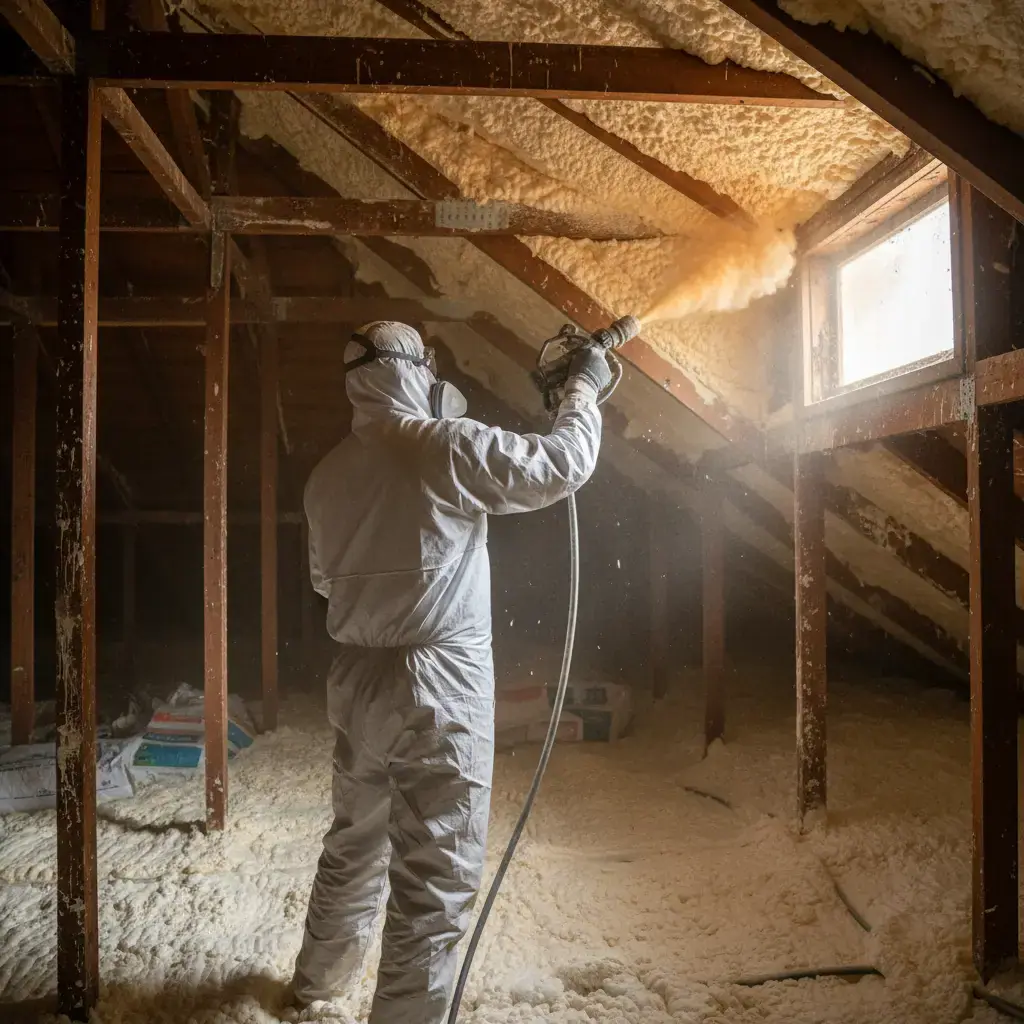
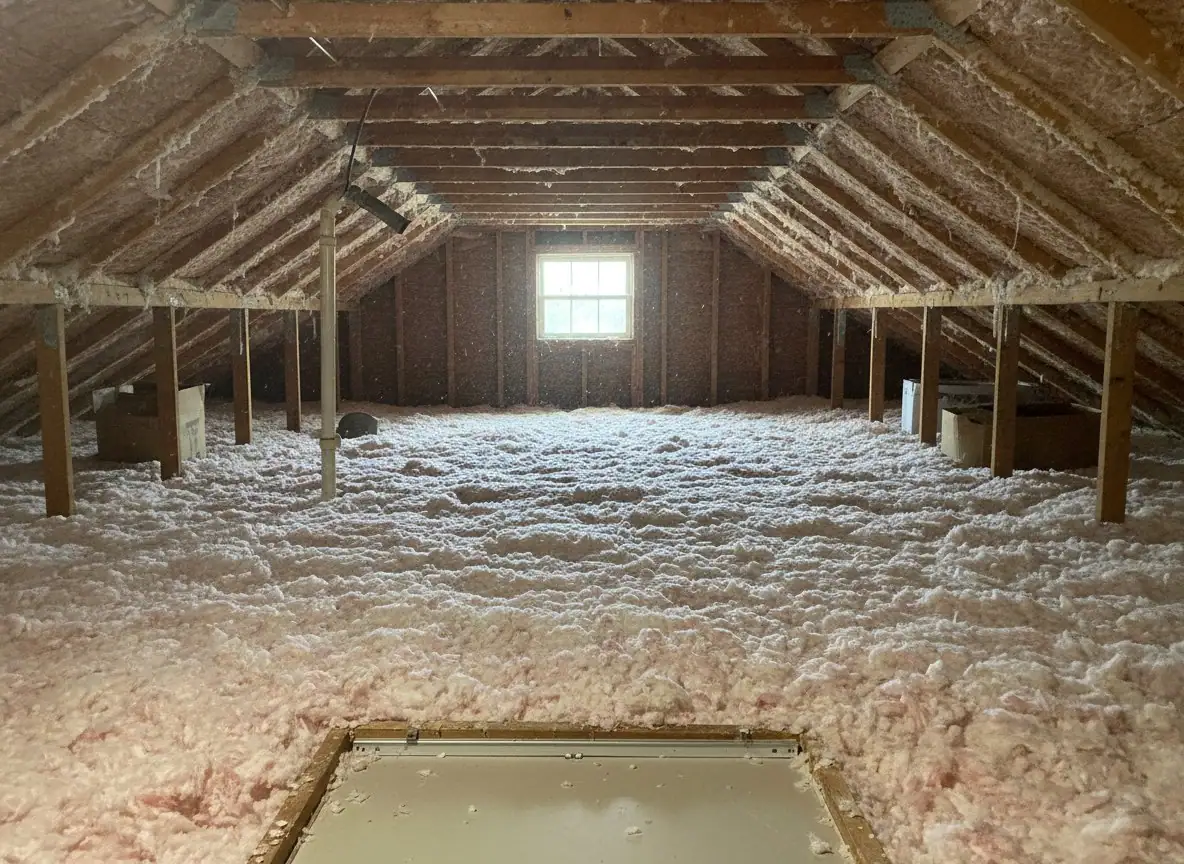
Blown-in insulation is a modern, highly effective insulation method that involves pneumatically distributing loose-fill material — typically cellulose or fiberglass — throughout attic spaces, wall cavities, and crawl spaces to create a seamless thermal envelope. Unlike rigid batts, blown-in insulation conforms to irregular framing, fills gaps around pipes, and achieves the higher R-values demanded by Southern California’s energy codes.
Rolling Hills Estates presents a unique insulation challenge. Perched on the Palos Verdes Peninsula at elevations reaching 1,300 feet, homes here experience marine fog, coastal wind exposure, and significant temperature swings compared to the surrounding Los Angeles Basin floor. These microclimatic factors accelerate heat loss and moisture infiltration in ways that standard insulation approaches often fail to address.
Read moreShow less
At High Return Insulation, we specialize in blown-in insulation solutions engineered specifically for the architectural styles and climate realities of Rolling Hills Estates. Call us today at 310-496-8515 for a free assessment.
Understanding Blown-In Insulation
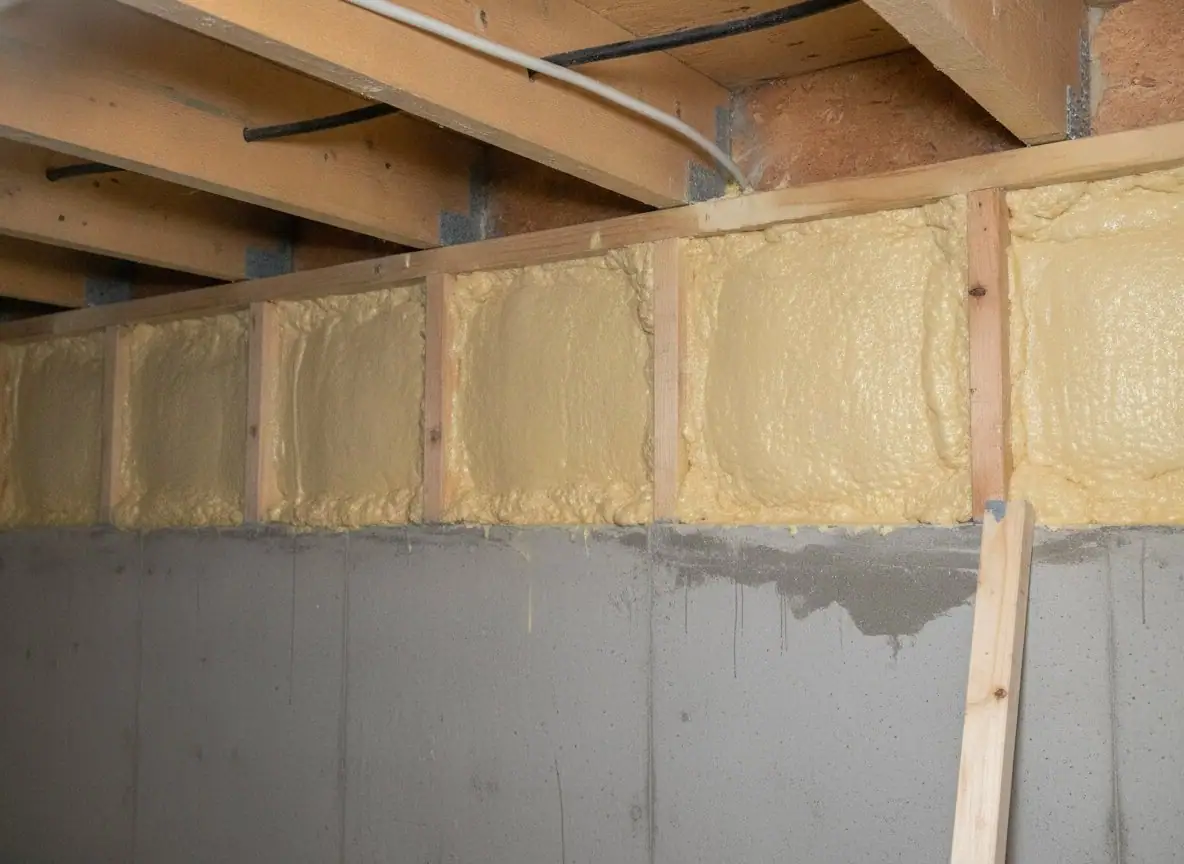
Blown-in insulation — also called loose-fill insulation — dates to the mid-20th century, when building scientists recognized that traditional batt insulation left too many voids in irregularly framed spaces. By the 1970s energy crisis, pneumatic installation of cellulose and fiberglass had become mainstream across American residential construction. Today, it remains the most versatile insulation type for existing homes undergoing energy retrofits.
The two primary materials used in blown-in insulation are cellulose and fiberglass. Cellulose is made from recycled paper treated with borate fire retardants and achieves R-values of approximately R-3.2 to R-3.8 per inch. Fiberglass loose-fill delivers R-2.2 to R-2.7 per inch and is particularly resistant to moisture absorption — a critical consideration in coastal climates like Rolling Hills Estates. A third option, mineral wool (rock wool), is sometimes specified for its superior fire resistance and is relevant in fire-prone hillside communities.
Read moreShow less
In the Palos Verdes Peninsula region, a significant share of the housing stock was constructed between the 1950s and 1970s, during periods when insulation standards were far less rigorous than California’s current Title 24 energy code. Many ranch-style homes, split-levels, and single-story residences built on the peninsula were delivered with minimal attic insulation — often nothing more than R-11 batts or a thin layer of early-generation cellulose that has long since settled and compacted. Compaction is a critical issue: settled insulation loses effective R-value, meaning a nominal 6-inch layer may now be performing at the level of 4 inches or less.
Blown-in insulation is particularly well-suited to Rolling Hills Estates because the area’s tract and custom-built homes often feature non-standard rafter spacing, complex hip-and-valley rooflines, and attic geometries that make batt installation impractical. The pneumatic process fills every contour uniformly, including areas above dropped ceilings, around HVAC ductwork, and in tight eave spaces where the roof pitch meets the exterior wall — all areas where heat loss is disproportionately high in hillside residences.
For homeowners evaluating options, learn more about our complete blown-in insulation services and how they compare to other insulation types.
Why Blown-In Insulation Is Needed in Rolling Hills Estates, CA
Rolling Hills Estates occupies the northern and eastern slopes of the Palos Verdes Peninsula, sitting at elevations between approximately 700 and 1,300 feet above sea level. This elevation creates a fundamentally different microclimate than nearby Torrance or Redondo Beach. The National Weather Service station data for the Palos Verdes Highlands area records average daily temperature swings of 20 to 30°F between night and midday in summer months — far greater than the 10 to 15°F swings recorded at coastal sea-level stations. These thermal cycles drive repeated expansion and contraction of building envelopes, gradually degrading older insulation materials and creating the air gaps that blow-in insulation is specifically designed to address.
Read moreShow less
Marine fog is the second dominant climate driver. Rolling Hills Estates is frequently blanketed by the Southern California marine layer, especially from May through September — a period locals call “June Gloom” that actually extends well into August. Sustained fog events can deposit measurable surface moisture on exterior siding, roof decking, and attic framing. In homes with inadequate or degraded insulation, this moisture vapor infiltrates attic spaces, reducing the thermal resistance of existing insulation by as much as 36% when moisture content rises above 15% by weight in cellulose materials. Homeowners in neighborhoods like Rancho Palos Verdes-adjacent sections of Blackhorse Road and the estates along Crenshaw Boulevard frequently report visible condensation on attic sheathing after extended fog events.
Seismic activity is a lesser-discussed but real contributor to insulation degradation. The Palos Verdes Fault runs directly through the peninsula, and the 1994 Northridge earthquake (magnitude 6.7) generated significant ground motion across the South Bay hillside communities. Seismic vibration causes loose-fill insulation to settle more rapidly, and repeated minor seismic events — the Palos Verdes area records dozens of minor tremors annually — continuously compact existing insulation. Homes that received insulation upgrades in the early 1990s may have lost 20 to 30% of their effective R-value through seismic compaction alone.
Rolling Hills Estates also falls within a Very High Fire Hazard Severity Zone (VHFHZ) as designated by CAL FIRE. This designation influences insulation material selection, as mineral wool and certain treated cellulose products offer superior fire resistance ratings compared to standard fiberglass batts. The hillside topography also creates wind exposure conditions — particularly the seasonal Santa Ana winds that have produced recorded gusts exceeding 70 mph in the Palos Verdes hills — that accelerate air infiltration through under-insulated building envelopes.
Finally, the local utility provider, Southern California Edison, has recorded among the higher average residential electricity costs in the Los Angeles Basin, with rolling-summer time-of-use rates that can exceed $0.45 per kWh during peak demand hours. A properly insulated home in Rolling Hills Estates, achieving the Title 24-recommended R-38 or higher in attic assemblies, can reduce cooling and heating energy consumption by 25 to 40%, producing meaningful utility savings given these elevated rate structures.
To explore complementary upgrades, see our attic insulation services designed for hillside homes.
Free, no-obligation estimates
Talk to High Return Insulation
Tell us what you need and we’ll take it from there.
Signs You Need Blown-In Insulation in Rolling Hills Estates
Energy and Comfort Indicators
- Monthly SCE electricity bills that spike more than 30% from spring to summer without a change in usage habits
- Rooms on the top floor or beneath a cathedral ceiling that remain 5°F or more warmer than the rest of the house during afternoon hours
- HVAC system cycling more frequently than every 20 minutes on days above 80°F
- Cold floors or walls on the lower level during winter fog events — a common complaint in Rolling Hills Estates split-level homes
Visual and Physical Symptoms
- Attic insulation depth measuring less than 10 inches when viewed with a ruler — below the R-30 minimum recommended for Southern California climates
- Visible gaps, bare patches, or compressed batt insulation in the attic floor
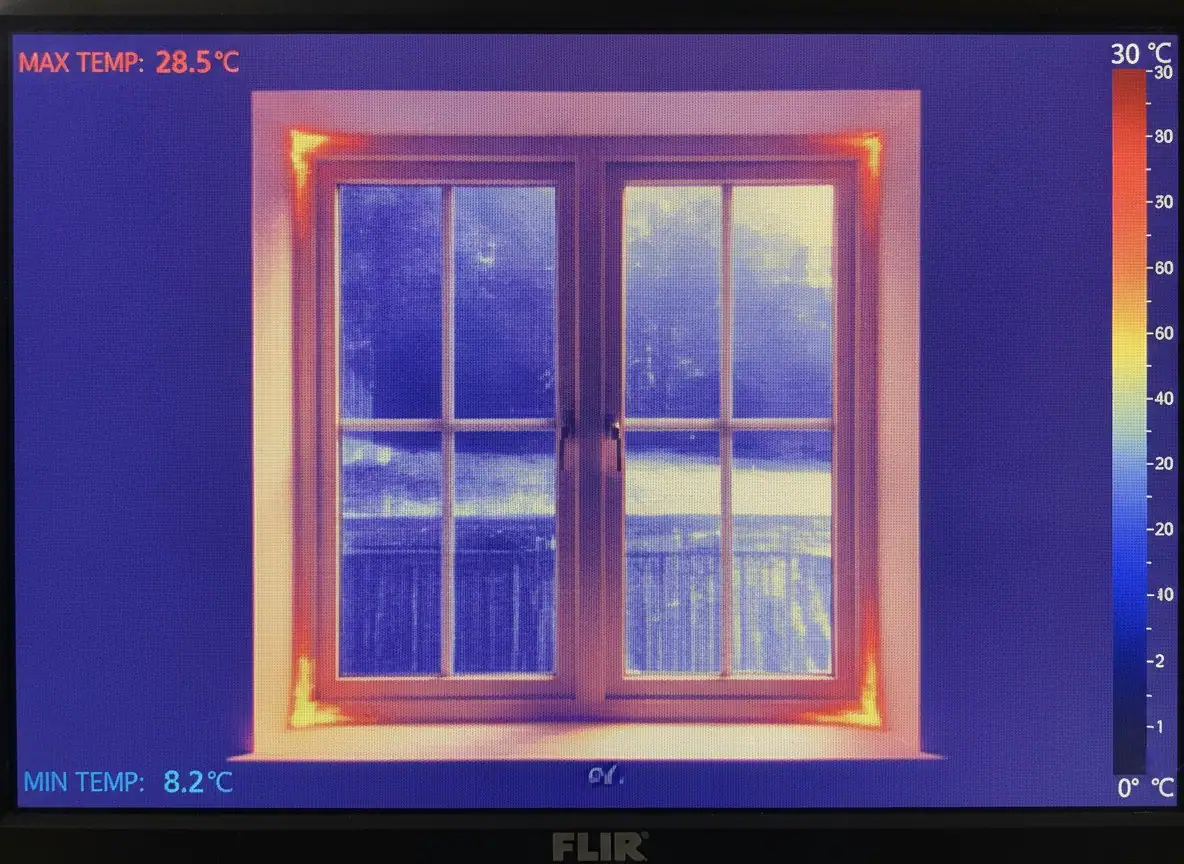
- Dust rings around ceiling light fixtures, indicating conditioned air is escaping through gaps in the insulation layer
- Ice plant or grass on the roof plane during early morning fog events (heat escaping through the roof melts condensation unevenly)
Moisture and Air Quality Indicators
- Musty or earthy odor in upper bedrooms, suggesting moisture accumulation in degraded attic insulation
- Visible mold or darkening on attic rafters near the eaves
- Increased allergy symptoms indoors during high-wind Santa Ana events — a sign of air infiltration through insulation voids
If you recognize two or more of these signs, contact High Return Insulation at 310-496-8515 for an urgent assessment.
Our process
Our Blown-In Insulation Process in Rolling Hills Estates
- 01
Initial Home Assessment (1–2 Hours)
Our technician visits your Rolling Hills Estates property to measure existing insulation depth at multiple points across the attic floor, identify air bypasses around recessed lights, plumbing penetrations, and attic hatches, and assess moisture conditions. We
- 02
Material Selection and Permitting Review (1–3 Days)
Based on your home’s construction type, existing insulation condition, and the VHFHZ designation applicable to Rolling Hills Estates, we recommend the appropriate material — typically borate-treated cellulose for retrofit applications or fiberglass loose-fill
- 03
Air Sealing Preparation (2–4 Hours)
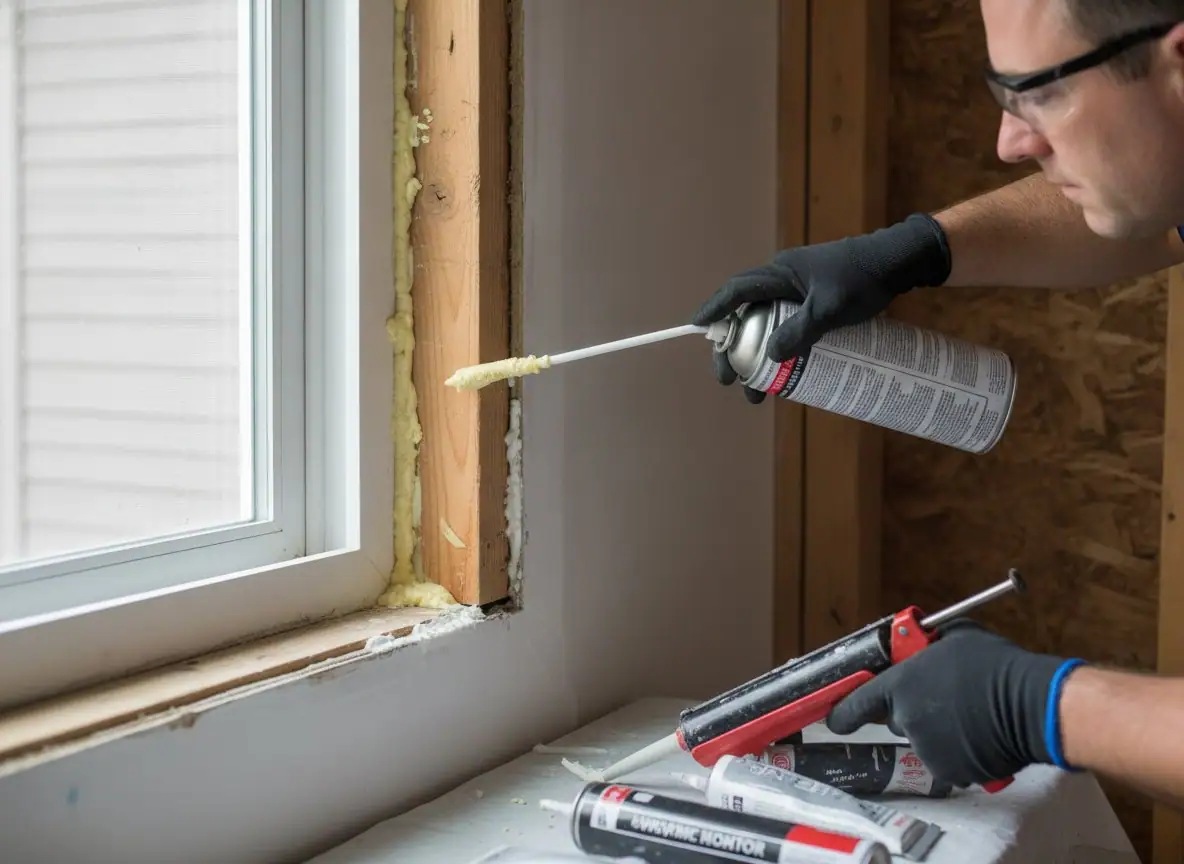
Before any insulation is installed, we seal all attic bypasses using fire-rated caulk and expanding foam. This step is non-negotiable in Rolling Hills Estates homes, where stack-effect air movement is amplified by elevation. Skipping air sealing can reduce the
- 04
Installation of Blown-In Material (3–6 Hours)
Our crew installs depth markers throughout the attic and deploys the pneumatic blowing machine to distribute material evenly to the specified R-value — typically R-38 to R-60 depending on your energy goals and current conditions. For homes with complex roof ge
- 05
Post-Installation Verification (30–60 Minutes)
We measure installed depth at a minimum of one point per 100 square feet and document compliance with the specified R-value. Photos are provided to the homeowner for their records and for potential use with SCE rebate applications.
- 06
Cleanup and Final Walkthrough (30 Minutes)
All equipment, packaging, and debris are removed from the property. We conduct a final walkthrough to confirm the attic hatch is properly sealed and insulated, and we explain ongoing maintenance recommendations specific to your home’s conditions.
Blown-In Insulation Methods and Approaches
Dry Blown Cellulose (Open-Blow)
The most common approach for attic floors in Rolling Hills Estates homes, dry blown cellulose is installed as a free-flowing material that settles to a uniform depth. It achieves R-3.5 per inch and is treated with fire retardants — an important specification given the VHFHZ designation. Best used in open attic floors with adequate ventilation to prevent moisture accumulation during the marine-layer season.
Fiberglass Loose-Fill
Preferred for homes in lower elevations of Rolling Hills Estates where marine fog produces consistently high attic humidity. Fiberglass does not absorb moisture and maintains its R-value in damp conditions far better than untreated cellulose. It achieves R-2.5 per inch, requiring greater installed depth for equivalent performance.
Dense-Pack Blown-In (Wall Cavities)
For the many 1960s and 1970s wood-frame homes in Rolling Hills Estates that were built with uninsulated wall cavities, dense-pack installation fills walls without opening drywall. Material is blown at high pressure — typically 3.5 lbs per cubic foot for cellulose — to eliminate settling risk. This method is particularly effective for homes on Crenshaw Boulevard and the Highridge Road corridor with original single-pane windows and zero wall insulation.
Stabilized Blown-In (Spray-Applied Cellulose)
A small amount of water is mixed with cellulose to create a slightly adhesive material that can be applied to sloped attic surfaces, cathedral ceiling bays, or underside-of-roof applications without sagging. Appropriate for the complex multi-pitch rooflines found on custom estates along Rolling Hills Road.
For wall cavity solutions, also see our spray foam insulation options which complement dense-pack in complex assemblies.
The cost of blown-in insulation in Rolling Hills Estates typically ranges from $1.50 to $3.50 per square foot of attic floor area for a standard open-blow cellulose or fiberglass installation. For a median Rolling Hills Estates home with approximately 1,800 to 2,400 square feet of conditioned space, expect a total project investment of $2,700 to $8,400 depending on the factors below.
Primary Cost Factors
- Existing insulation condition: Homes requiring full removal of wet, compacted, or rodent-contaminated insulation add $1.00 to $2.00 per square foot to the project cost. See our insulation removal services for details.
- Target R-value: Upgrading to R-38 costs less than upgrading to R-60; each additional R-10 above R-38 adds approximately $0.30 to $0.50 per square foot.
- Attic accessibility: Homes with low-pitch roofs or restricted hatch access — common in mid-century ranch homes on Palos Verdes Drive North — add $200 to $600 in labor due to restricted equipment deployment.
- Air sealing scope: Homes with many recessed light fixtures (a common feature in Rolling Hills Estates custom homes) require more extensive air sealing prep, adding $300 to $900.
Read moreShow less
Local Rebates and Incentives
Southern California Edison customers may qualify for the Energy Upgrade California rebate program, which offers up to $250 for qualifying insulation upgrades. Additionally, the federal Inflation Reduction Act Section 25C tax credit provides a 30% tax credit (up to $1,200 per year) for insulation materials meeting IECC standards. High Return Insulation can provide documentation to support your rebate and tax credit applications.
Call 310-496-8515 for a no-obligation itemized estimate specific to your Rolling Hills Estates property.
Rolling Hills Estates Neighborhoods We Serve
Rancho Palos Verdes Border Communities (Crenshaw Corridor)
Homes along Crenshaw Boulevard and Indian Peak Road, many constructed in the late 1950s and early 1960s as part of early Palos Verdes Peninsula tract development, frequently present with original fiberglass batts compressed to half their rated thickness. These homes benefit most from complete removal and re-installation of blown-in cellulose to achieve current R-38 standards.
The Estates / Rolling Hills Road Area
Custom single-family residences built from the 1970s through 1990s along Rolling Hills Road and Highridge Road tend to feature complex multi-pitch rooflines and large conditioned attic volumes. Blown-in fiberglass is the preferred specification here due to larger-than-average attic square footage (often 2,500 to 3,500 sq ft) and the moisture exposure from sustained marine-layer events at elevation.
Palos Verdes Drive North Corridor
Lower-elevation homes along Palos Verdes Drive North, built predominantly in the 1970s, often have restricted attic access requiring specialized equipment maneuvering. Dense-pack wall insulation is a common add-on service for these properties, as original construction rarely included wall cavity insulation.
Dapplegray and Silver Spur Neighborhoods
The equestrian-adjacent Dapplegray and Silver Spur Road neighborhoods contain a mix of 1960s ranch-style homes and 1980s additions, creating hybrid insulation challenges where new and old construction meet with incompatible insulation assemblies. Blown-in insulation bridges these transitions seamlessly.
Blown-In Insulation Maintenance Tips for Rolling Hills Estates Homeowners
- Inspect attic insulation depth annually: Use a ruler to measure depth at the attic hatch and at two additional points each year. Any area measuring below 10 inches (approximately R-30) should be topped up promptly.
- Check attic ventilation after Santa Ana wind events: High-velocity Santa Ana winds can displace loose-fill insulation near eave vents. Inspect and redistribute if needed following any wind event exceeding 50 mph.
- Monitor attic humidity during marine-layer season: A simple humidity sensor placed in the attic should read below 60% RH. Readings above 70% during May through September indicate inadequate ventilation and potential insulation degradation.
- Keep attic hatch fully insulated and weatherstripped: The attic hatch is the single highest heat-loss point in most Rolling Hills Estates homes. Replace weatherstripping every 3 to 5 years.
- Inspect for rodent activity: The hillside location of Rolling Hills Estates makes homes susceptible to roof rat and squirrel intrusion that can displace and contaminate insulation. See our rodent proofing services for prevention strategies.
- Avoid storing items directly on attic floor insulation: Storage compresses blown-in material, reducing R-value permanently in those areas. Install plywood walkboards on raised supports if attic storage is needed.
- Schedule a professional inspection every 7–10 years: Blown-in insulation naturally settles 10 to 15% over a decade. Periodic top-up installations maintain peak thermal performance.
Why Choose High Return Insulation in Rolling Hills Estates
High Return Insulation is a dedicated insulation contractor serving Rolling Hills Estates and the broader Palos Verdes Peninsula. We are not a general contractor who offers insulation as a side service — every project we complete is an insulation project, and our technicians have deep familiarity with the specific building types, climate conditions, and code requirements that apply to homes on the Peninsula.
We understand that Rolling Hills Estates homes are among the most architecturally complex in the South Bay, and we invest in the equipment and training necessary to serve complex rooflines, restricted attic access points, and the unique material specifications required in Very High Fire Hazard Severity Zones.
Read moreShow less
Our full-service capabilities mean we can address every insulation need at your property in a coordinated way — from attic cleaning to crawl space insulation — without subcontracting any phase of the work. This gives you a single point of accountability and a consistent quality standard from assessment through final verification.
Call 310-496-8515 to speak directly with a Rolling Hills Estates insulation specialist today.
FAQ
Frequently Asked Questions About Blown-In Insulation in Rolling Hills Estates
How much does blown-in insulation cost in Rolling Hills Estates, CA?
Most Rolling Hills Estates homeowners invest between $2,700 and $8,400 for a complete attic blown-in insulation project, depending on attic square footage, target R-value, and the condition of existing insulation. Homes requiring insulation removal before installation will be at the higher end of this range. Call 310-496-8515 for a specific estimate for your property.
How long does blown-in insulation installation take in a typical Rolling Hills Estates home?
A standard attic blown-in installation for a 2,000 square foot home in Rolling Hills Estates typically takes one full day, including air sealing preparation, installation, and verification. Larger custom homes on the Rolling Hills Road corridor with attics exceeding 2,500 square feet may require two days. Homeowners do not need to vacate the property during installation.
What R-value do I need for my Rolling Hills Estates attic?
California’s Title 24 energy code requires a minimum of R-38 for attic insulation in Climate Zone 7, which covers the Palos Verdes Peninsula. We recommend R-49 to R-60 for homes at higher elevations (above 1,000 feet) in Rolling Hills Estates, where nighttime temperature drops and marine fog exposure create greater thermal demand than the coastal plain standard assumes.
Is blown-in insulation safe for homes in the Rolling Hills Estates fire hazard zone?
Yes, when properly specified. Rolling Hills Estates falls within a Very High Fire Hazard Severity Zone, and we use borate-treated cellulose (Class I fire rated) or fiberglass loose-fill, both of which comply with CAL FIRE and Los Angeles County fire code requirements for residential construction in VHFHZ areas. We do not use untreated cellulose on any Palos Verdes Peninsula project.
Will blown-in insulation help with the moisture issues common in Rolling Hills Estates?
Properly installed blown-in insulation, combined with air sealing, significantly reduces moisture-laden outdoor air from infiltrating your living space during marine-layer events. For homes with documented high attic humidity, we may recommend fiberglass loose-fill over cellulose, as fiberglass is inherently non-hygroscopic and maintains its rated R-value even at elevated relative humidity levels.
Does blown-in insulation settle over time, and how does seismic activity affect it?
All loose-fill insulation settles by approximately 10 to 15% over the first few years after installation as the material reaches its natural packing density. Beyond that initial settling, further compaction is minimal under normal conditions. However, the seismic activity associated with the Palos Verdes Fault system can accelerate compaction in older installations. We install all blown-in material at a depth calibrated to account for expected settling, ensuring the final R-value meets specification after settling occurs.
Can you add blown-in insulation over my existing insulation?
In most cases, yes. If existing insulation is dry, free of mold or rodent contamination, and is not composed of vermiculite (which may contain asbestos in pre-1980 installations), we can blow new material directly over it to achieve the target R-value. If contamination or vermiculite is detected, full insulation removal is required before new material is installed. We assess this during the initial inspection at no charge.
Do you serve areas near Rolling Hills Estates?
Our primary focus is Rolling Hills Estates and the Palos Verdes Peninsula communities. For specific service area questions, call us at 310-496-8515 and we will confirm availability for your address.
Get a Free Blown-In Insulation Estimate in Rolling Hills Estates Today
Rolling Hills Estates homes face unique insulation challenges — from marine-layer moisture and hillside wind exposure to the seismic activity of the Palos Verdes Fault and the fire safety demands of the VHFHZ designation. High Return Insulation combines local expertise with the full-service capabilities to address every dimension of your home’s thermal performance.
Whether you are upgrading an aging 1960s ranch home on Crenshaw Boulevard, retrofitting a custom estate along Rolling Hills Road, or addressing moisture issues in a Dapplegray neighborhood property, we are ready to provide a detailed, no-obligation assessment and written estimate.
Call us now at 310-496-8515 or visit our office to schedule your free inspection. Let High Return Insulation help you achieve lasting comfort and energy savings in your Rolling Hills Estates home.
Get in touch
Find insulation help near you
Request a free estimate online or give us a call — our team will follow up quickly.
- Call us(310) 496-8515
- Visit28441 Highridge Rd, Rolling Hills Estates, CA 90274
- HoursMon-Sun 07:00-19:00